Paradise with the Whole Crew: Sri Lanka's Digital Nomad Visa for Families in 2026
Sri Lanka's digital nomad visa offers a unique opportunity for remote workers to experience the island nation. This guide focuses on bringing your family, covering requirements, costs, and practicalities for a smooth transition.
August 6, 2026
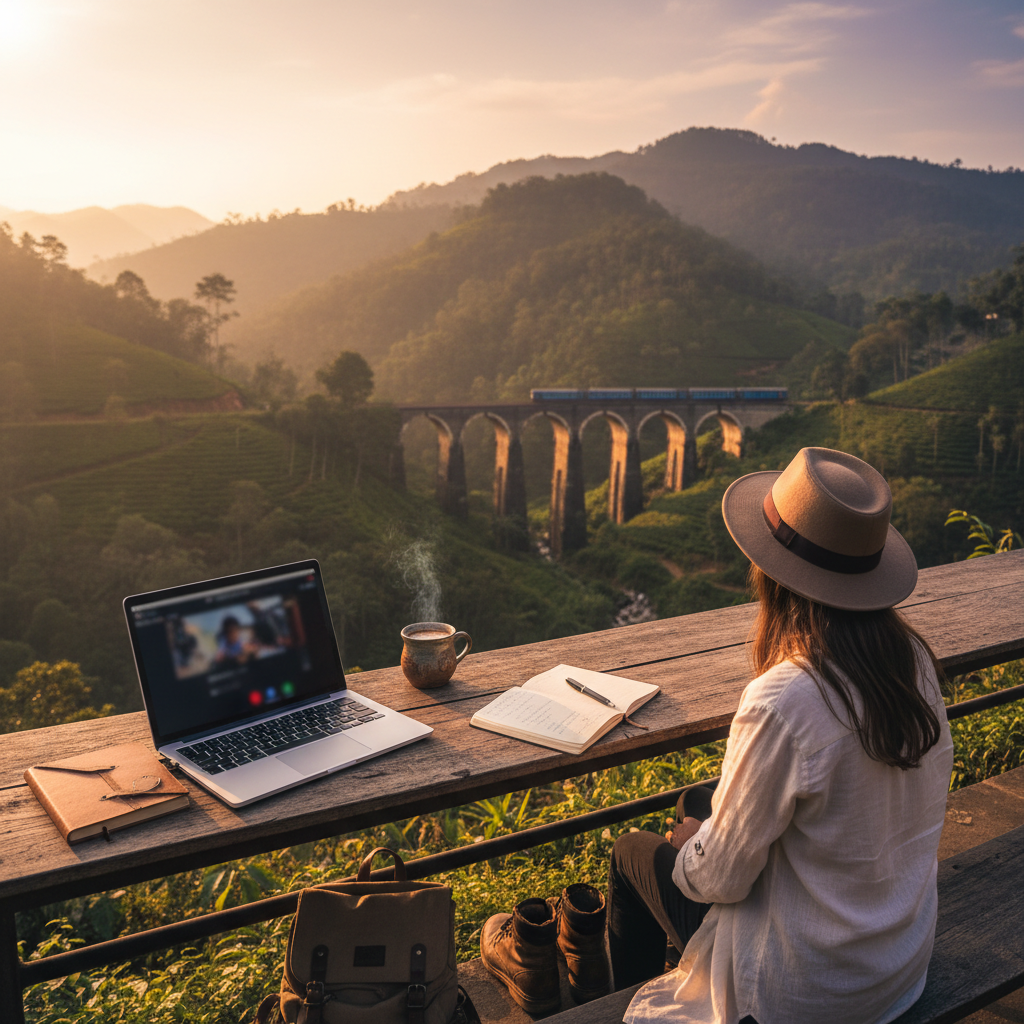
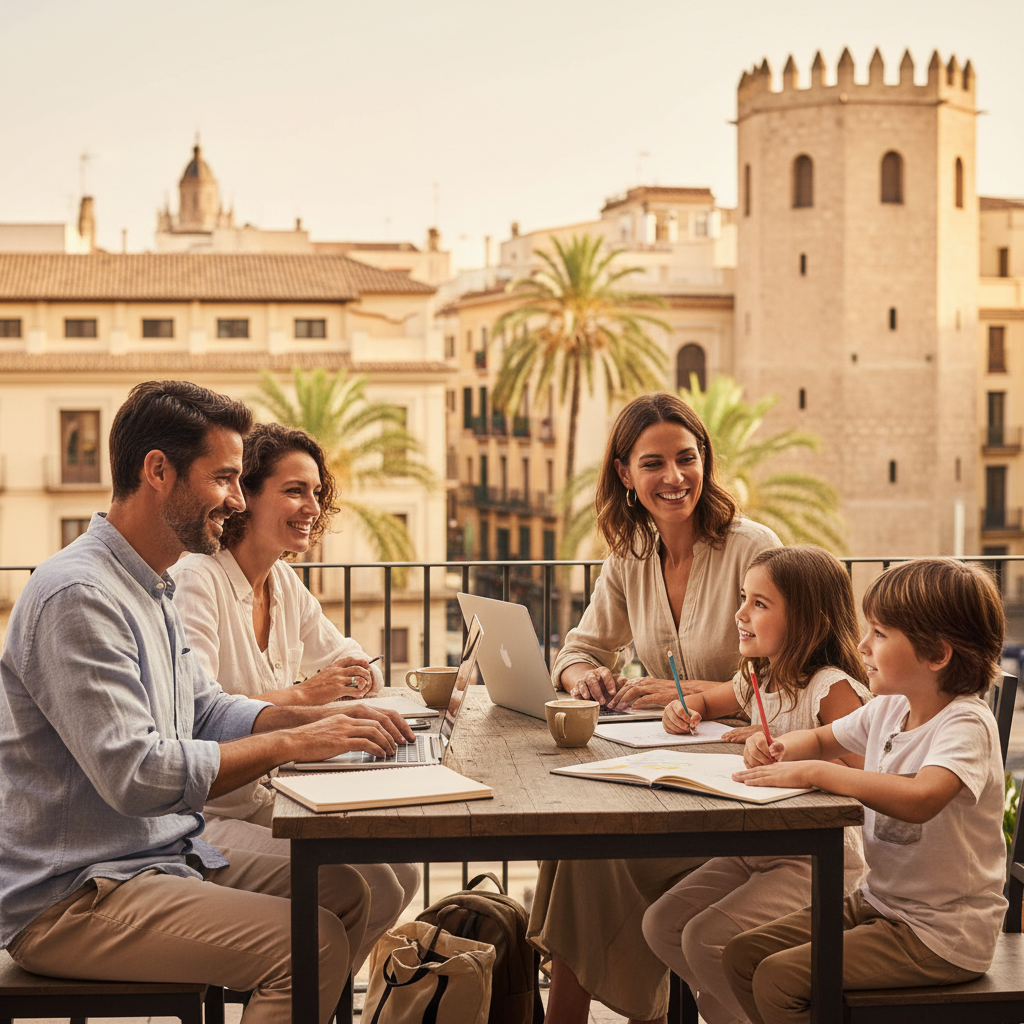
In a surprising move, Sri Lanka announced a 25% increase in its digital nomad visa applications during the first quarter of 2026, with a significant portion indicating interest in bringing family members. This highlights a growing trend among remote workers seeking destinations that cater not just to their professional needs, but also to their families' well-being and integration. Sri Lanka, with its stunning landscapes, rich culture, and growing infrastructure, is positioning itself as an attractive option for those looking to combine work with an enriching family experience.
This comprehensive guide delves into the specifics of securing the Sri Lanka digital nomad visa when you're planning to bring your loved ones along. From the income thresholds to healthcare considerations and schooling options, we'll cover everything you need to know to make your family's move to this tropical paradise a success.
Quick facts
| Row | Detail |
|---|---|
| Income requirement | $2,000 USD/month (main applicant); $500 USD/month per dependent |
| Visa duration | 1 year |
| Renewable | Yes, for up to 5 years |
| Application fee | $500 USD (main applicant); $200 USD per dependent |
| Processing time | 2-4 weeks |
| Tax rate for holders | 0% on foreign-sourced income |
| Family members allowed | Spouses, dependent children (under 18) |
| Path to residency | Not directly, requires meeting other long-term visa criteria |
What is the Sri Lanka digital nomad visa?
The Sri Lanka digital nomad visa, officially known as the 'Long Stay Visa for Digital Nomads', was introduced to attract remote professionals who can contribute to the local economy while working for foreign entities or running their own online businesses. It's a fantastic opportunity for individuals and families to immerse themselves in Sri Lankan culture, enjoy its natural beauty, and benefit from a lower cost of living compared to many Western countries. The visa permits a stay of up to one year, with options for renewal, making it suitable for those seeking a longer-term base in Asia. Unlike traditional work visas, it doesn't require local employment, granting you the freedom to continue your global remote work career from the shores of Sri Lanka.
Sri Lanka digital nomad visa requirements
Navigating the requirements for any visa can be daunting, but with a family in tow, precision is key. For the main applicant, the core requirements revolve around demonstrating self-sufficiency and genuine location independent lifestyle. For dependents, the focus shifts to proving familial relationships and ensuring their financial support.
Main Applicant Requirements:
- Proof of Remote Work: You must provide contracts, letters from employers, or business registration documents demonstrating your engagement in digital entrepreneurship or remote employment with a company outside Sri Lanka. Freelancers will need to show client contracts and a portfolio.
- Income Threshold: A minimum income of $2,000 USD per month is required. This is a crucial aspect for families, as you'll need to demonstrate sufficient funds to support all dependents. Bank statements for the last six months, clearly showing consistent income, are essential. For those running an online business, profit and loss statements and business bank accounts will be scrutinized.
- Passport Validity: Your passport must be valid for at least six months beyond your intended stay in Sri Lanka.
- Health Insurance: Comprehensive international health insurance covering you and your family for the entire duration of your stay in Sri Lanka is mandatory. This is particularly vital for families, as healthcare can be expensive without adequate coverage.
- Clean Criminal Record: A police clearance certificate from your country of origin and any country you have resided in for more than six months in the past five years is required.
Dependent Requirements:
- Relationship Proof: For spouses, a marriage certificate is necessary. For dependent children, birth certificates proving the parent-child relationship are required. All documents must be officially translated into English if not originally in English.
- Financial Support: Each dependent (spouse or child under 18) adds an additional $500 USD per month to the main applicant's income requirement. So, for a family of four (two parents, two children), the total minimum income would be $2,000 + $500 + $500 = $3,000 USD per month. This ensures that every family member is adequately provided for.
- Passport Validity: Dependents' passports must also be valid for at least six months beyond the intended stay.
- Health Insurance: As with the main applicant, comprehensive international health insurance covering each dependent is a non-negotiable requirement.
- Consent for Minors: If one parent is not accompanying the child, a notarized letter of consent from the absent parent is typically required.
How to apply for the Sri Lanka digital nomad visa
The application process is predominantly online, which is a blessing for busy families. However, it requires meticulous attention to detail to avoid delays. Follow these steps carefully:
- Gather Documents: Before starting the online application, ensure all required documents for yourself and your family are prepared. This includes scanned copies of passports, financial statements, employment/business proofs, marriage and birth certificates, health insurance policies, and police clearance certificates. Ensure all translations are certified.
- Online Application Portal: Access the official Sri Lanka Department of Immigration and Emigration website. Look for the 'Long Stay Visa for Digital Nomads' section. You will create an account and fill out the application form electronically.
- Upload Documents: Carefully upload all supporting documents for yourself and each family member. Double-check that files meet the specified size and format requirements.
- Pay Application Fees: The application fees for yourself and each dependent will be paid online via credit or debit card. Ensure you have sufficient funds and that your card is enabled for international transactions.
- Biometrics and Interview (If Required): In some cases, applicants and their families may be requested to attend an interview at a Sri Lankan embassy or consulate in their home country or nearest diplomatic mission. Biometrics (fingerprints and a photograph) may also be collected. This is less common for the initial application but can be part of the renewal process.
- Await Approval: Once submitted, the application will undergo review. You will receive notifications regarding the status of your application via email. The processing time typically ranges from 2 to 4 weeks.
- Visa Issuance: Upon approval, an electronic visa (e-Visa) will be issued. Print this out and keep it with your passports. You will present this upon arrival in Sri Lanka.
Cost breakdown
Understanding the financial commitment upfront is vital, especially when budgeting for an entire family. Here's a breakdown of the typical costs associated with the Sri Lanka digital nomad visa.
| Item | Main Applicant Cost (USD) | Dependent Cost (USD) | Notes |
|---|---|---|---|
| Application Fee | $500 | $200 per dependent | Non-refundable. Paid online during application. |
| Biometrics Fee | $50 (if applicable) | $50 (if applicable) | May be collected at embassy/consulate. |
| Health Insurance | Varies, $500-$1500/year+ | Varies, $300-$1000/year+ | Comprehensive international coverage for medical emergencies, hospitalization. |
| Document Translations | Varies, $20-$50 per document | Varies, $20-$50 per document | Certified translations for non-English documents. |
| Police Clearance | Varies by country | Varies by country | Check local police department fees. |
| Total Estimated Initial Costs (excluding living) | $1000 - $2500+ | $550 - $1300+ per dependent | These are approximate, insurance is the main variable. |
Beyond the initial visa costs, consider the following for your family's move:
- Flights: Depending on your origin, flights for a family can be a significant expense. Expect to pay anywhere from $800 - $2000+ per person for a return ticket.
- Accommodation: Renting a family-friendly apartment or house will be a primary expense. In Colombo, a three-bedroom apartment can range from $800 - $2000 per month, while in smaller towns or coastal areas, similar properties might be $500 - $1200. Factor in an initial deposit of 1-3 months' rent.
- Schooling: International schools in Colombo can be quite expensive, ranging from $3,000 - $8,000 per child per year. Local private schools offer more affordable options, often $500 - $1500 per year, but curriculum and language differences need to be considered. Homeschooling is also an option for digital nomad lifestyle families.
- Healthcare: While insurance is mandatory, out-of-pocket expenses for certain treatments or specialist visits can occur. Public healthcare is available but may not meet expatriate expectations. Private clinics offer higher standards.
- Cost of Living: Sri Lanka generally offers a lower cost of living. A family of four could comfortably live on $2,000 - $4,000 per month, depending on lifestyle choices, location, and schooling.
Taxes for digital nomads in Sri Lanka
One of the most attractive features of the Sri Lanka digital nomad visa for work from anywhere professionals is the favorable tax treatment. As of 2026, holders of this visa are generally exempt from Sri Lankan income tax on income earned from foreign sources. This means that if your digital nomad jobs or online business generates income from clients or employers outside Sri Lanka, that income will not be taxed in Sri Lanka.
However, it's crucial to understand a few caveats:
- Local Income: Any income earned from within Sri Lanka (e.g., if you decide to freelance for a local company or sell goods/services locally) would be subject to Sri Lankan income tax rules.
- Residency for Tax Purposes: While the digital nomad visa grants you the right to reside, it doesn't automatically confer tax residency status in all cases. The exact rules depend on the number of days you spend in the country and your other ties to Sri Lanka. It's always advisable to consult with a tax professional specializing in international taxation to understand your specific obligations, especially if you plan to stay long-term or consider property investments.
- Home Country Tax Obligations: Remember that while Sri Lanka may not tax your foreign income, your home country might still have tax claims based on your citizenship or previous tax residency. Ensure you are compliant with the tax laws of your country of origin.
Education and Healthcare for Families
For families, access to quality education and healthcare is often paramount. Sri Lanka offers a range of options, but understanding the landscape is crucial.
Education Options:
- International Schools: Primarily located in Colombo and some larger cities like Kandy or Galle, these schools follow international curricula (e.g., IB, British, American). They offer excellent facilities, qualified teachers, and a diverse student body, but come with a high price tag. Examples include Overseas School of Colombo, Colombo International School, and British School in Colombo. Applications typically open months in advance, and waiting lists can be common.
- Local Private Schools: These schools often follow the national curriculum but may offer English as the primary medium of instruction or as a strong secondary language. They are significantly more affordable than international schools. However, the curriculum might be tailored to local exams, which could be a consideration if you plan to return to a different education system.
- Homeschooling: Many digital nomad lifestyle families choose to homeschool. Sri Lanka offers a beautiful environment for this, with plenty of educational excursions and a growing community of homeschooling families. Online resources and curricula make this increasingly viable.
Healthcare Facilities:
- Private Hospitals: Sri Lanka has a well-developed private healthcare sector, especially in Colombo. Hospitals like Nawaloka Hospital, Durdans Hospital, and Lanka Hospitals offer modern facilities, English-speaking doctors, and a wide range of specialties. These will be your primary choice for quality care.
- Public Hospitals: While accessible and free (or very low cost), public hospitals can be overcrowded, and the standard of care might not always meet international expectations. Language barriers can also be an issue.
- Pharmacies: Pharmacies are widely available, especially in urban areas. Most common medications are readily available, often at lower prices than in Western countries.
- Health Insurance is Key: As mentioned, robust international health insurance is non-negotiable. Ensure your policy covers emergency evacuations, hospital stays, and routine check-ups for all family members. For families with specific medical needs, research specialist availability in your chosen location beforehand.
For Bangladeshi passport holders
For Bangladeshi citizens considering the Sri Lanka digital nomad visa, the application process generally follows the same requirements as for other nationalities. However, there are a few country-specific nuances to keep in mind:
- Document Authentication: Ensure all official documents, such as birth certificates, marriage certificates, and educational qualifications, are properly attested by the Ministry of Foreign Affairs in Bangladesh before submission. This adds an extra layer of verification that immigration authorities may require.
- Financial Proof: While the income threshold remains $2,000 USD/month (plus dependents), demonstrating the consistent inflow of foreign-sourced income from Bangladesh can sometimes require detailed bank statements and transaction histories. If you're a freelancer in Bangladesh, highlight international client payments clearly.
- Travel History: A good travel history, especially to other international destinations, can be beneficial, demonstrating your experience with international travel and compliance.
- Embassy Contact: It's always prudent for Bangladeshi applicants to directly contact the Sri Lankan High Commission in Dhaka for any specific guidelines or additional document requirements that might be unique to their region. This can help clarify any ambiguities related to Freelancing Bangladesh or Remote Work Bangladesh income proofs.
- Currency Exchange: When calculating your income requirement, ensure you're using official exchange rates for converting BDT to USD. Stable income in USD or another major currency is preferred by immigration officials.
Sri Lanka offers a fantastic opportunity for Digital Nomad Bangladesh citizens to expand their horizons and experience a vibrant new culture while continuing their remote career.
Renewing your Sri Lanka digital nomad visa
The initial Sri Lanka digital nomad visa is typically issued for one year. However, it is renewable for up to a total stay of five years. The renewal process is similar to the initial application but may require updated documentation. Key considerations for renewal include:
- Continued Eligibility: You must continue to meet the income requirements and demonstrate ongoing digital nomad lifestyle activities.
- Proof of Stay: Evidence of your previous stay in Sri Lanka, such as exit/entry stamps and rental agreements, may be requested.
- Clean Record: Maintaining a clean record in Sri Lanka (no criminal offenses) is crucial for renewal.
- Application Timing: It's advisable to apply for renewal at least 2-3 months before your current visa expires to avoid any overstay penalties.
Frequently asked questions
What is the Sri Lanka digital nomad visa?
The Sri Lanka digital nomad visa is a special long-stay visa allowing foreign remote workers and digital entrepreneurs to live and work in Sri Lanka for up to one year, with renewal options, without requiring local employment. It enables a work from anywhere lifestyle in a tropical setting.
Who is eligible for the Sri Lanka digital nomad visa?
Eligible individuals are foreign nationals who work remotely for companies outside Sri Lanka or run their own online business, earning at least $2,000 USD per month. They must also have valid passports, health insurance, and a clean criminal record. Dependents can be included.
How much does the Sri Lanka digital nomad visa cost?
The main applicant fee is $500 USD. For each dependent (spouse or child under 18), an additional $200 USD fee applies. Other costs include health insurance (variable), document translation, and police clearance, bringing total initial costs to $1,000-$2,500+ for the main applicant.
How long does Sri Lanka digital nomad visa processing take?
Processing for the Sri Lanka digital nomad visa typically takes between 2 to 4 weeks from the date of a complete application submission. It's advisable to apply well in advance of your intended travel date, especially with a family.
Can I bring my family on the Sri Lanka digital nomad visa?
Yes, you can bring your spouse and dependent children (under 18) on the Sri Lanka digital nomad visa. Each dependent requires an additional $500 USD per month added to your income requirement and an individual application fee of $200 USD.
Do I pay tax in Sri Lanka on the digital nomad visa?
As a Sri Lanka digital nomad visa holder, you are generally exempt from Sri Lankan income tax on income earned from foreign sources. Income derived from within Sri Lanka, however, would be subject to local tax laws. Consult a tax professional for clarity.
Can Bangladeshi citizens get the Sri Lanka digital nomad visa?
Yes, Bangladeshi citizens are eligible to apply for the Sri Lanka digital nomad visa, provided they meet all the standard requirements for remote work, income, and documentation. Specific attention to document attestation from Bangladesh's Ministry of Foreign Affairs is recommended.
Sources
- Sri Lanka Department of Immigration and Emigration: Consult the country's official immigration website.
- Central Bank of Sri Lanka: Consult for official currency exchange rates and economic data.
- Ministry of Health, Sri Lanka: Consult for public health guidelines and information.
- Ministry of Education, Sri Lanka: Consult for details on local schooling options.
Compare with: Malaysia, Thailand, Indonesia
Interested in applying for the Sri Lanka visa?
Tell us a bit about yourself and we'll send tailored guidance on eligibility, paperwork, and next steps.