Sri Lanka Digital Nomad Guide 2026: Work, Live & Explore the Pearl of the Indian Ocean
Why Sri Lanka for Digital Nomads
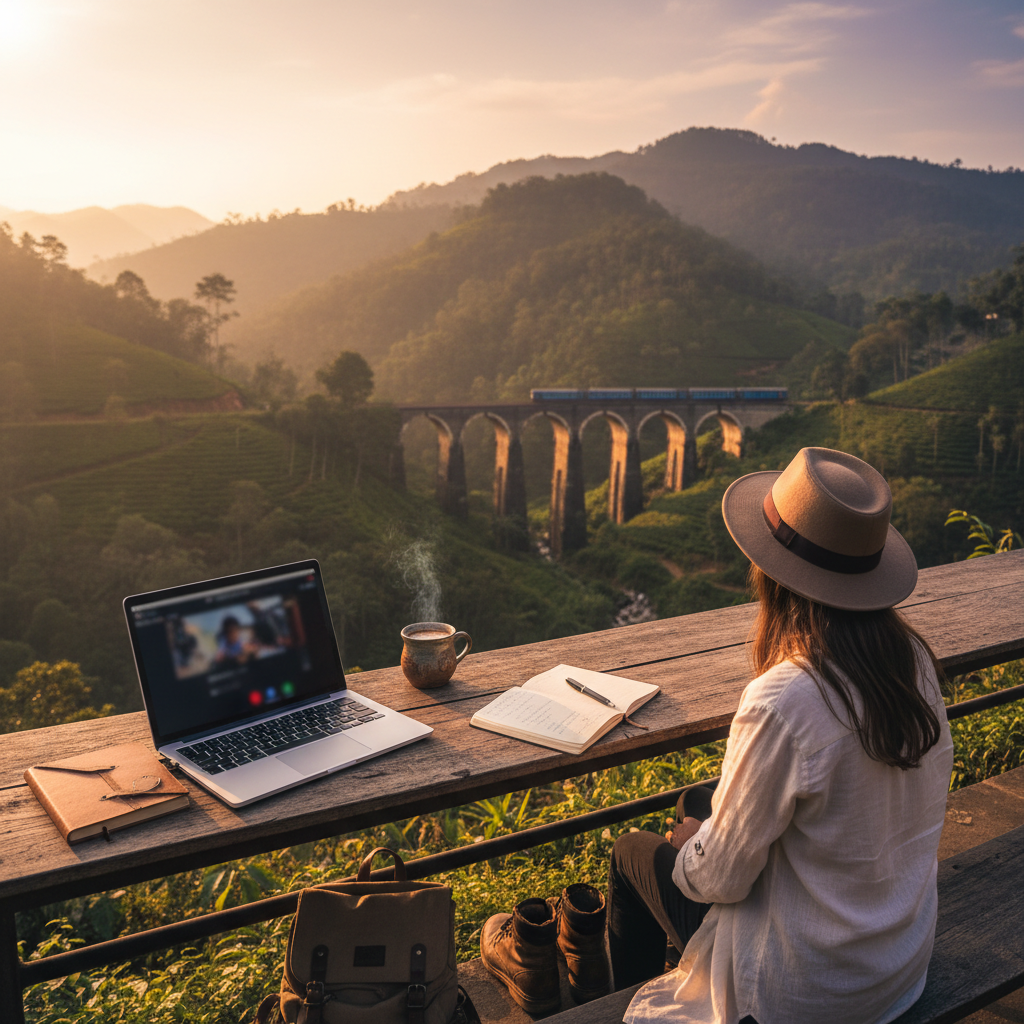
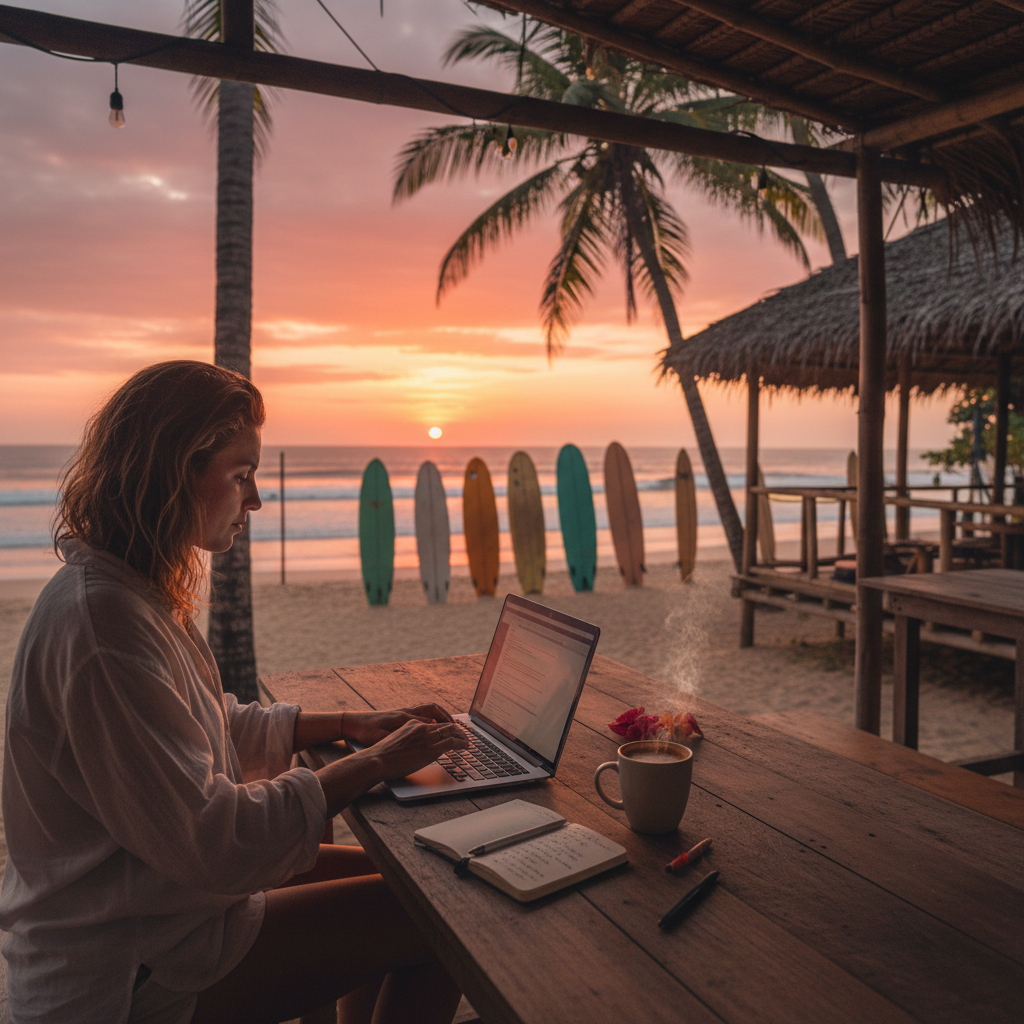
Sri Lanka, often called the 'Pearl of the Indian Ocean', has emerged as a captivating destination for digital nomads in 2026. After navigating past recent economic challenges, the island nation has re-stabilized, offering an attractive blend of vibrant culture, stunning natural beauty, low cost of living, and a proactive government embracing remote work. The climate is tropical, with warm weather year-round, ideal for those seeking to escape colder climes. Imagine starting your day with a surf lesson, working from a beachfront cafe, and ending it with a hike through tea plantations or a safari in a national park. The country boasts an incredible diversity of landscapes – from pristine beaches of the south coast to the luscious green highlands and ancient historical cities. This geographical variety offers a dynamic lifestyle that few other countries can match.
Beyond the scenery, Sri Lanka's cultural richness is profound. With a history stretching back over 2,500 years, it’s home to eight UNESCO World Heritage Sites, from ancient cities like Anuradhapura and Polonnaruwa to the magnificent Sigiriya Rock Fortress. The local cuisine is a riot of flavors, heavily influenced by spices, coconut, and fresh seafood, offering an exciting culinary journey. The people are known for their warm hospitality, ready to share their smiles and traditions. English is widely spoken, especially in tourist areas and among the younger generation, making communication relatively straightforward for international visitors. The introduction of a dedicated digital nomad visa scheme further solidifies its commitment to attracting global remote talent, streamlining the process for longer-term stays. For those seeking adventure, cultural immersion, and a high quality of life at an affordable price, Sri Lanka in 2026 presents an irresistible option.
Visa Options & Eligibility
Sri Lanka officially introduced its Digital Nomad Visa (falls under a specific 'Long Stay Visa' category for remote workers) to attract location-independent professionals. This isn't just a tourist visa extension; it's a dedicated pathway for extended residence.
Visa Name: Sri Lanka Digital Nomad Visa (Long Stay Visa Category)
Eligibility Requirements (as of 2026):
- Nationality: Open to citizens of most countries. It’s always best to check the latest official list provided by Sri Lankan immigration.
- Proof of Remote Work: Applicants must demonstrate continuous employment or self-employment for companies or clients based outside Sri Lanka. This can include employment contracts, client agreements, or letters from employers.
- Minimum Monthly Income: A verifiable gross income of at least USD 1,500 per month (or equivalent in other convertible currency) is typically required. Bank statements for the last 3-6 months showing consistent income are essential.
- Health Insurance: Comprehensive international health insurance covering the entire duration of stay in Sri Lanka is mandatory. It should ideally cover medical emergencies, hospitalization, and repatriation.
- Clean Criminal Record: A police clearance certificate from your country of origin (and any country you've resided in for more than 6 months in the last 5 years) is usually required.
- Valid Passport: Your passport must be valid for at least six months beyond your intended period of stay.
- Accommodation: Proof of accommodation for at least the initial period (e.g., hotel booking, rental agreement) may be requested.
Duration: The initial visa is typically granted for 6 to 12 months. Extensions are usually possible, provided applicants continue to meet the income and other eligibility criteria and have maintained good standing during their stay.
Application Fee: The non-refundable application fee is approximately USD 200. This is subject to change, so always verify the latest fee on the official government immigration website or through the nearest Sri Lankan embassy/consulate.
Cost of Living Breakdown
One of Sri Lanka's most attractive features for digital nomads is its remarkably affordable cost of living, especially when compared to Western countries. While prices have seen some adjustments due to economic shifts, the island still offers excellent value. Here's an estimated monthly breakdown for a comfortable, mid-range lifestyle for one person in 2026:
| Category | Estimated Monthly Cost (USD) |
|---|---|
| Accommodation | |
| Co-living space | 300 - 500 |
| 1-bed apt (city) | 400 - 700 |
| 1-bed apt (beach) | 500 - 800 |
| Food | |
| Groceries (cooking) | 150 - 250 |
| Eating out (mix) | 200 - 400 |
| Local street food | Highly affordable, great value |
| Transportation | |
| Scooter rental | 70 - 150 (fuel extra) |
| Tuk-tuk/ride-hail | 50 - 100 |
| Utilities | |
| Electricity/Water | 50 - 100 |
| Internet (home) | 20 - 40 |
| Mobile Data | 10 - 20 |
| Co-working Space | 70 - 150 |
| Leisure/Entertainment | |
| Activities/Sightseeing | 100 - 200 |
| Socializing/Drinks | 50 - 100 |
| Health Insurance | 50 - 150 |
| Miscellaneous | 50 - 100 |
| TOTAL (Mid-Range) | ~ USD 800 - 1500 |
This table illustrates that an individual can live quite comfortably, enjoying local experiences, for around USD 800-1500 per month. Rent is the most variable cost; a private villa by the beach will naturally cost more than a shared co-living space in a city. Local food is incredibly cheap and delicious, while Western-style restaurants will push your budget higher. Public transport (buses, trains) is very inexpensive, but many nomads opt for scooter rentals for flexibility. Generally, the coastal areas and Colombo tend to be slightly more expensive than inland regions or smaller towns.
Best Cities & Neighborhoods
Sri Lanka offers a variety of environments, each with its unique charm and benefits for digital nomads:
-
Colombo: The capital city is the most developed hub with the best infrastructure. It offers a wide range of accommodation, international restaurants, modern co-working spaces, and reliable internet. Neighborhoods: Cinnamon Gardens (upscale, leafy), Fort (historic, business), Kollupitiya (central, good amenities), Dehiwala-Mount Lavinia (beach access, slightly more laid-back). Ideal for those who prefer an urban pace and direct access to services.
-
Galle Fort: A UNESCO World Heritage Site, this charming fortified city on the southwest coast is visually stunning with its Dutch colonial architecture, boutique cafes, art galleries, and vibrant expat community. It's slower-paced than Colombo but still offers good amenities and a unique atmosphere. A popular choice with a strong sense of community. Great for those seeking history, culture, and a relaxed, walkable environment.
-
Mirissa: Located on the southern coast, Mirissa is a popular surf and beach town. It's known for its crescent-shaped beach, whale watching, and vibrant nightlife. You'll find plenty of guesthouses, small hotels, and beachfront cafes with Wi-Fi. It's a hotspot for backpackers and those looking for a laid-back, sun-soaked lifestyle. Perfect for surf enthusiasts and those who want to be close to the ocean.
-
Ella: Nestled in the central highlands, Ella offers breathtaking mountain views, tea plantations, and cooler temperatures. It's popular for hiking (Little Adam's Peak, Ella Rock) and its relaxed, bohemian vibe. While less developed than the coastal towns, it has a growing number of guesthouses and cafes catering to tourists, some with decent internet. Best for nature lovers, hikers, and those seeking cooler climes and tranquility.
-
Kandy: The cultural capital of Sri Lanka, surrounded by hills and home to the sacred Temple of the Tooth Relic. Kandy offers a rich historical experience and a more traditional Sri Lankan feel. It's a bustling city with a beautiful lake at its center. While it doesn't have the same nomad infrastructure as Colombo or Galle, it provides a deep dive into Lankan culture. Good for a shorter stay or for those wanting a cultural immersion.
Emerging Nomadic Hubs: Arugam Bay (east coast, surf), Weligama (south coast, surf, developing co-working scene), and Hikkaduwa (south coast, established beach town) are also becoming popular, especially during their respective surf seasons, offering a more rustic experience.
Internet, Coworking & Remote-Work Infrastructure
Sri Lanka's internet and remote-work infrastructure have seen significant improvements by 2026, driven partly by the push for digital nomad tourism. While it might not match the speeds of Seoul or Singapore, it's certainly adequate for most remote work needs.
Internet Speeds: The average fixed broadband speed is around 40 Mbps, with metropolitan areas like Colombo and Galle often exceeding this. Mobile data (4G and increasingly 5G) is widely available in populated areas, with major providers like Dialog, Mobitel, and Airtel offering competitive packages. You can easily get a local SIM card with ample data for as little as USD 10-20 per month.
Reliability: Power outages can occur, especially during peak demand or adverse weather conditions, but they are generally less frequent and shorter-lived than in previous years. Many co-working spaces and higher-end accommodations have backup generators. It's always wise to have a portable power bank and a good mobile data plan as a fallback.
Coworking Spaces:
- Colombo: Offers the highest concentration of modern co-working spaces. Examples include Hatch Works, The Office, and Hub9. These spaces provide reliable high-speed internet, ergonomic chairs, meeting rooms, and networking opportunities. Costs typically range from USD 70-150 per month for a hot desk.
- Galle Fort: Has a few boutique co-working options, blending modern amenities with the historic ambiance. They tend to be smaller but foster a strong community feel.
- Southern Coast (Mirissa, Weligama): Dedicated co-working spaces are emerging, often integrated into surf camps or co-living setups. Many cafes also offer good Wi-Fi and a conducive environment for working. For instance, Ceylon DMC in Weligama offers a dedicated space.
Cafes & Hotels: Numerous cafes, particularly in Colombo, Galle, and popular tourist towns, offer free Wi-Fi, making them suitable for casual work sessions. Many hotels and guesthouses also provide relatively stable internet, especially those catering to international guests. Always check speed reviews if relying solely on hotel Wi-Fi.
Tips for Digital Nomads:
- Invest in a good local SIM card with a generous data plan (Dialog is often recommended for its coverage).
- Consider a Wi-Fi dongle or portable hotspot as a backup.
- If power cuts are a concern in your accommodation, ensure your laptop battery is healthy and consider a power bank.
- Communicate clearly with your accommodation about internet reliability before booking long-term.
Taxes & Legal Considerations
A critical aspect for any digital nomad is understanding their tax and legal obligations. Sri Lanka's approach to taxation for digital nomads is generally favorable, especially for income earned overseas.
Income Tax: As per current regulations in 2026, income earned by digital nomads from sources outside Sri Lanka, while they are residing in the country on the specialized Digital Nomad Visa, is typically not subject to Sri Lankan income tax for at least the initial 183 days of their stay. This is largely because their clients or employers are based abroad, and the income source is considered foreign.
- Tax Residency: Generally, an individual becomes a tax resident in Sri Lanka if they spend more than 183 days in the country within a tax year (which often aligns with the calendar year). After this period, worldwide income might technically become taxable. However, the specific terms of the Digital Nomad Visa often provide exemptions for foreign-earned remote income, even for longer stays. It is crucial to clarify this directly with the Department of Inland Revenue or a local tax consultant upon arrival or during the application process.
- Local Income: If a digital nomad were to generate income from local sources within Sri Lanka (e.g., teaching English to locals, selling goods/services to Sri Lankan residents), that income would likely be subject to Sri Lankan income tax.
VAT/GST: Sri Lanka has a Value Added Tax (VAT), but this generally applies to goods and services consumed within the country and is usually included in prices. It does not directly impact foreign-earned remote income.
Legal Compliance:
- Visa Conditions: Always adhere strictly to the conditions of your Digital Nomad Visa. Engaging in local employment without proper authorization is illegal and can lead to deportation.
- Business Registration: If you plan to set up a local business entity or offer services to local clients, you will need to register with the relevant authorities and comply with local business laws and tax regulations.
- Customs: Be aware of import regulations for electronics and personal belongings. Large quantities of certain items might attract duties.
- Local By-laws: Respect local customs and laws, especially regarding public behavior, dress codes (particularly when visiting religious sites), and environmental protection.
Recommendation: While the general tax landscape is advantageous, it is highly recommended to consult with a Sri Lankan tax advisor or legal professional experienced with foreign residents and digital nomads. Tax laws can be complex and are subject to change, and personalized advice based on your specific income structure is invaluable.
Lifestyle, Culture & Community
Sri Lanka offers a lifestyle that balances adventure with tranquility, making it incredibly appealing. The culture is a fascinating tapestry woven from Buddhist, Hindu, Muslim, and Christian influences, creating a rich social fabric.
Daily Life & Pace: Life in Sri Lanka, outside of bustling Colombo, tends to be slower-paced. Mornings often start early, accompanied by the sounds of birds and temple chants. Afternoons can be hot, encouraging rest, before cooler evenings bring people out. There’s a strong emphasis on family and community, and social interactions are warm and friendly.
Cultural Immersion: Digital nomads have ample opportunities for cultural immersion. Participate in local festivals like Esala Perahera in Kandy, visit ancient temples, learn to cook Sri Lankan curries, or simply engage in conversations with locals on public transport or in markets. Politeness and respect for elders are highly valued. When visiting religious sites, modest dress (covered shoulders and knees) is essential, and removing shoes is customary.
Food: The food is a highlight! Sri Lankan cuisine is known for its bold flavors, fresh ingredients, and healthy spices. Staples include rice and curry (a variety of curries served with rice), hoppers, string hoppers, kottu roti, and an abundance of fresh fruit and seafood. Eating at local 'hotel' (restaurants) or street food stalls offers incredible value and authentic experiences.
Community & Social Scene:
- Expat/Nomad Communities: While not as saturated as Bangkok or Bali, growing digital nomad and expat communities exist, particularly in Colombo, Galle Fort, Mirissa, and Weligama. Online groups (Facebook, WhatsApp) are excellent resources for connecting with fellow nomads, organizing meetups, and sharing information.
- Local Engagement: Sri Lankans are generally very hospitable and curious about visitors. Learning a few phrases in Sinhala or Tamil can significantly enhance your interactions. Many locals are keen to practice English and share insights about their country.
- Activities: The island offers an incredible array of activities: surfing (Hikkaduwa, Mirissa, Weligama, Arugam Bay), yoga and wellness retreats, hiking in the highlands, wildlife safaris (Yala, Udawalawe), exploring ancient ruins, and diving/snorkeling.
Challenges: While generally safe and welcoming, some nomads might find the occasional infrastructure quirks (e.g., power cuts, inconsistent internet in very remote areas), assertive street vendors, or bureaucratic processes a minor inconvenience. Patience and a sense of humor go a long way.
Overall, the lifestyle is one of adventure and discovery, offering a lower cost of living without sacrificing comfort or opportunity for enriching experiences. Most nomads report feeling safe and quickly falling in love with the island's charm.
How to Apply: Step-by-Step
Applying for the Sri Lanka Digital Nomad Visa (Long Stay Visa Category) has become more streamlined by 2026, though attention to detail is crucial. Here’s a general step-by-step guide:
Step 1: Gather Required Documents Prepare all necessary documents well in advance. This typically includes:
- Valid passport (at least 6 months validity beyond intended stay).
- Completed visa application form.
- Recent passport-sized photographs (specific dimensions may apply).
- Proof of remote employment/self-employment (e.g., employment contract, client agreements, company registration, freelancer portfolio). This should clearly indicate an overseas employer/client.
- Proof of sufficient funds: Bank statements (3-6 months) showing consistent income of at least USD 1,500/month. You might need a letter from your bank.
- Comprehensive international health insurance policy covering the duration of your stay in Sri Lanka.
- Police Clearance Certificate (PCC) from your home country and any other country you've resided in for more than 6 months in the past 5 years.
- Flight itinerary (initial entry and potential exit plans).
- Proof of accommodation for initial period (e.g., hotel booking, confirmed rental agreement).
- Any additional documents requested by the Department of Immigration and Emigration (e.g., educational qualifications, resume).
Step 2: Submit Application
- Online Portal: The primary method for application is through the official online portal of the Department of Immigration and Emigration of Sri Lanka. Look for the 'Long Stay Visa' or 'Digital Nomad' category. Ensure you use the official government website and not third-party services that may charge additional fees or provide incorrect information.
- Embassy/Consulate (if applicable): In some cases, for citizens of certain countries or if facing online portal issues, you might need to apply through the nearest Sri Lankan Embassy or Consulate in your country of residence. They will provide specific instructions and forms.
Step 3: Pay the Application Fee
The non-refundable application fee (approximately USD 200 as of 2026) must be paid at the time of submission. This is usually done online via credit/debit card if applying through the portal, or at the embassy/consulate.
Step 4: Await Processing
Processing times can vary, but generally range from 14 to 28 working days. You might receive email updates, or you may need to check the status periodically on the online portal. Be prepared for potential requests for additional information or clarification during this phase.
Step 5: Visa Approval & Arrival
- If approved, you will receive an 'Approval in Principle' or an 'e-Visa confirmation' via email. Print this out.
- Upon arrival at a Sri Lankan international airport (typically Bandaranaike International Airport - CMB in Colombo), proceed to the immigration counter. Present your passport, printed visa approval, and any other requested documents.
- Immigration officers will stamp your passport with the Digital Nomad Visa, indicating your permitted duration of stay.
Step 6: Register with Local Authorities (Optional/If Required)
Depending on the duration and specific visa conditions, you may need to register with the local police or a specific immigration office within a certain timeframe after arrival. This is less common for tourist visas but might be a requirement for longer-term stays. Clarify this during your application or upon visa approval.
Important Note: Always consult the official website of the Sri Lankan Department of Immigration and Emigration or connect with the nearest Sri Lankan Embassy/Consulate for the most up-to-date and authoritative information, as requirements and processes can change.
Common Pitfalls
While Sri Lanka is an incredible destination, digital nomads should be aware of common challenges to ensure a smooth and enjoyable experience:
-
Visa Misinterpretation/Overstay: The biggest pitfall is misunderstanding visa requirements or overstaying. Always be clear about your visa category. A tourist visa is not for remote work, and overstaying can result in significant fines and future entry bans. The DN visa is still relatively new, so ensure you understand its terms precisely and apply for an extension well in advance if needed.
-
Unreliable Internet/Power Outages (outside major hubs): While improving, consistent, high-speed internet and stable electricity can still be an issue in more remote or less developed areas. Don't assume perfect connectivity everywhere. Always have a backup plan (mobile hotspot, pre-downloaded work) and check reviews of accommodations/coworking spaces for internet quality.
-
Scooter Safety: Renting a scooter is popular for getting around, especially on the coast. However, traffic can be chaotic, roads are often bumpy, and accidents are common. If you rent, ensure you have an international driving permit endorsed for motorcycles, always wear a helmet, and be extremely cautious. Ensure your travel insurance covers scooter accidents.
-
Health & Hygiene: Sri Lanka is a tropical country. Be mindful of food and water hygiene (drink bottled water only), mosquito-borne diseases (dengue fever), and sun protection. While medical facilities are adequate in major cities, they may not be up to Western standards everywhere. Comprehensive travel insurance with good medical coverage is essential.
-
Dealing with Bureaucracy: Government processes, including visa extensions or setting up local services, can sometimes be slow and require patience. Be prepared for multiple visits or longer waiting times than you might be accustomed to in your home country.
-
Cultural Misunderstandings: While Sri Lankans are welcoming, inadvertent cultural disrespect can occur. Dress modestly at religious sites, use your right hand for eating and giving/receiving items, and avoid public displays of affection. Research local customs to avoid awkward situations.
-
Over-friendly Locals/Scams: While hospitality is genuine, like any tourist destination, some individuals might be overly persistent in offering services or trying to sell you things, occasionally leading to overcharging or minor scams. Be polite but firm, negotiate prices for tuk-tuks, and trust your instincts.
By being aware of these potential challenges and preparing accordingly, digital nomads can navigate their Sri Lankan adventure with greater ease and focus on enjoying the rich experiences the island has to offer.