The Ultimate 2026 Digital Nomad Guide to the United Arab Emirates
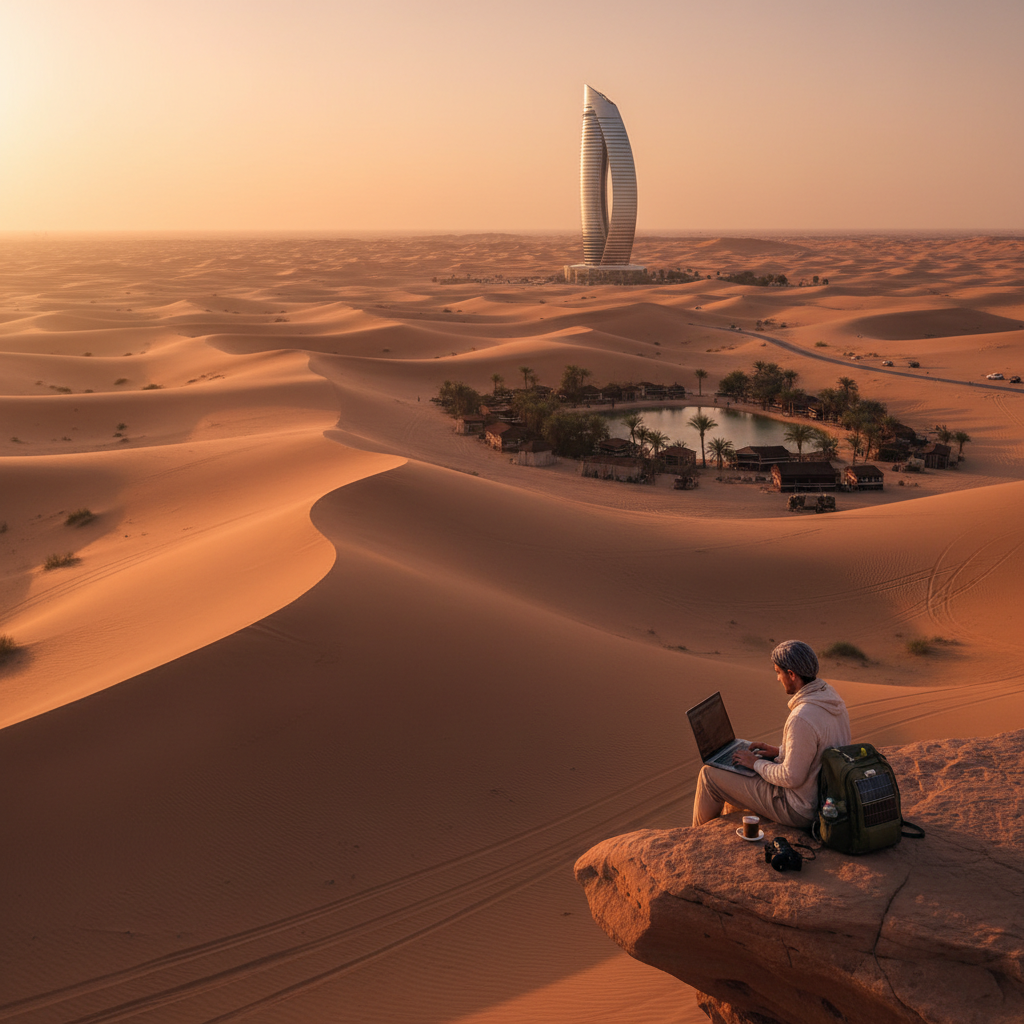
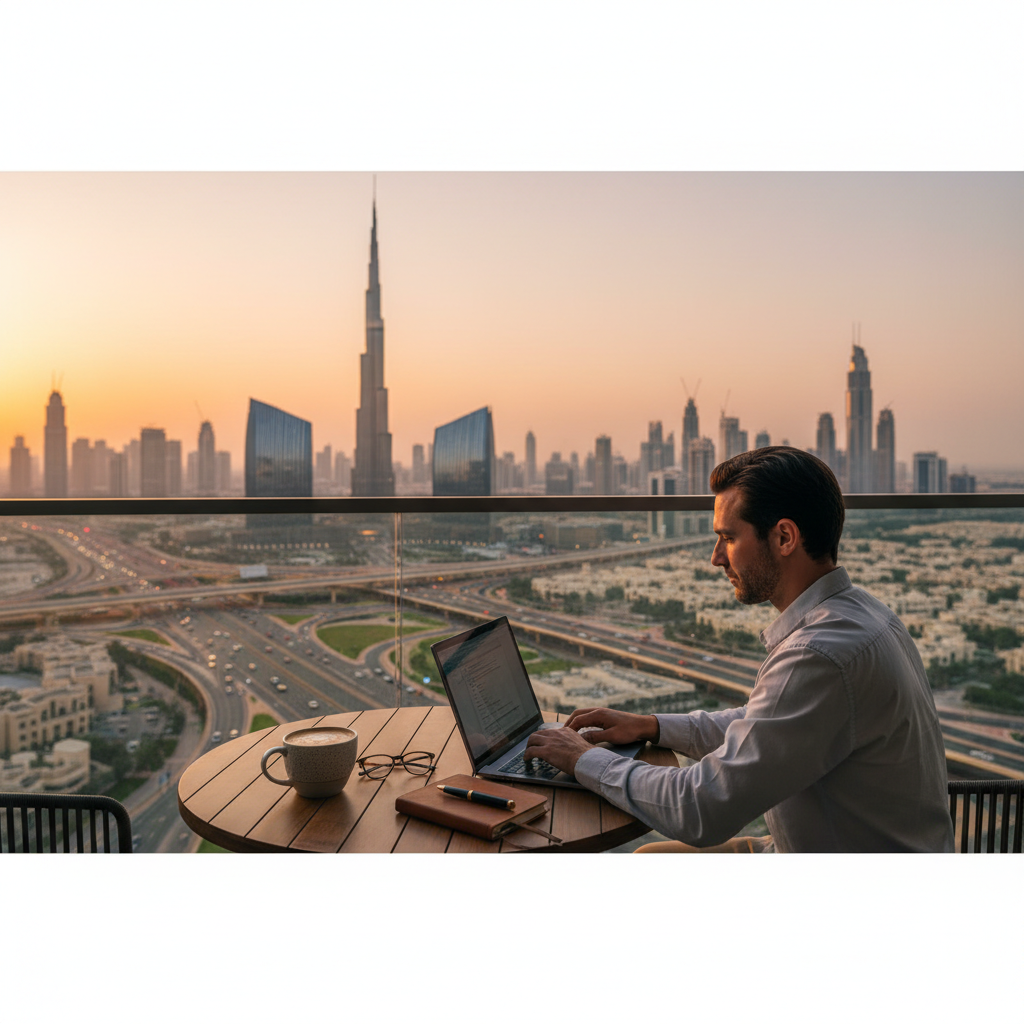
Welcome to the United Arab Emirates (UAE) – a land of futuristic skylines, luxurious living, and burgeoning opportunities for digital nomads. This comprehensive guide will equip you with all the essential information to make your remote work dream a dazzling reality in this captivating Middle Eastern hub.
Why The United Arab Emirates for Digital Nomads
The UAE has rapidly positioned itself as a magnet for global talent, and for good reason. Its strategic location at the crossroads of Europe, Asia, and Africa makes it an ideal base for those managing international clients or seeking to explore diverse cultures. The country boasts world-class infrastructure, from super-fast internet to state-of-the-art transportation systems, ensuring seamless remote work. Safety is paramount here; the UAE consistently ranks among the safest nations globally, offering peace of mind to residents and visitors alike. English is the lingua franca in business and daily life, making assimilation incredibly easy for most expats. Beyond the practicalities, the lifestyle here is unparalleled: think year-round sunshine, pristine beaches, world-class dining, luxury shopping, and an endless array of entertainment options. The government's forward-thinking initiatives, including the 2021 launch of the Virtual Work Visa, demonstrate a clear commitment to attracting and supporting remote professionals. In 2026, the UAE continues to evolve, pushing boundaries in technology, sustainability, and urban planning, making it an exciting and dynamic place to live and work remotely.
Visa Options & Eligibility
For digital nomads, the UAE Virtual Work Visa (often colloquially called the Digital Nomad Visa) is the primary pathway. Launched in 2021, this visa allows individuals to reside in the UAE for one year while continuing to work remotely for an employer outside the UAE or operate their own foreign-based business.
Key Eligibility Criteria for the Virtual Work Visa (as of 2026):
- Employment-based Applicants:
- Proof of employment with a company outside the UAE.
- A minimum gross monthly salary of $3,500 USD (or equivalent in other currencies).
- A valid employment contract for at least one year.
- Bank statements for the last three months, demonstrating the income requirement.
- Business Owners/Freelancers:
- Proof of ownership of a company outside the UAE (e.g., trade license, company registration documents).
- Proof of an average monthly income of at least $3,500 USD from the business.
- Bank statements for the last three months, showing consistent income.
- Letter of intent from a client or proof of active contracts is often beneficial.
General Requirements for all applicants:
- Passport valid for at least six months.
- Medical insurance valid in the UAE.
- Application fee of approximately $611 USD (this includes visa fees, status adjustment fees, and typically a handling fee for the E-channel services; fees are subject to change).
- Recent passport-sized photographs.
This visa is renewable, provided the eligibility criteria continue to be met. It grants you residency, enabling you to open a local bank account, get a local SIM card, and access many services available to residents. Unlike some other visas, it does not require you to incorporate a local business unless you intend to serve local clients.
Cost of Living Breakdown
The cost of living in the UAE, particularly in Dubai and Abu Dhabi, can be higher than in many other digital nomad destinations, but it offers exceptional value for money when considering the quality of life, safety, and infrastructure. A comfortable lifestyle for a single digital nomad averages around $2,500 USD per month, though this can range significantly.
Here's a detailed breakdown (estimates for 2026):
| Category | Cost Range (USD/month, rough estimates) | Notes |
|---|---|---|
| Accommodation | ||
| Studio/1-bed apt (city center) | $1,200 - $2,500 | Dubai/Abu Dhabi: Expect to pay more ($1,500-$2,500). Sharjah/RAK: More affordable ($800-$1,500). Prices fluctuate based on location, amenities (pool, gym), and luxury. Most rentals are paid in 2-4 cheques (upfront payments for several months at a time), which requires significant initial capital. |
| Shared apartment | $600 - $1,000 | A more budget-friendly option, common among expats. Availability varies. |
| Utilities | $100 - $200 | DEWA (Dubai Electricity and Water Authority) or ADDC (Abu Dhabi Distribution Company). Includes electricity, water, AC (can be high in summer), housing fee (5% of annual rent), and sometimes district cooling charges. |
| Internet & Mobile | $80 - $150 | High-speed fiber internet packages (250 Mbps+) typically cost $80-$100/month. Mobile plans are generally quite generous with data but can be pricey. |
| Groceries | $250 - $450 | Depends heavily on cooking habits and where you shop. Local markets are cheaper than international supermarkets. Imported goods are widely available but more expensive. |
| Dining Out | $200 - $600+ | A meal at a local eatery can be $10-$20. A mid-range restaurant meal for one is $30-$50. Fine dining is significantly more. Avoid relying solely on eating out if on a budget. |
| Transportation | $80 - $200 | Dubai Metro is highly efficient ($2-$5 per trip, $40-$80 monthly pass). Taxis/Ride-hailing (Uber/Careem) are readily available. Owning a car adds significant costs (insurance, fuel, parking, installments) but offers flexibility ($400-$800+ for car-related expenses if you buy, less if you rent for short term). |
| Health Insurance | $50 - $200 | Mandatory for residents. Depends on coverage level and age. Your Virtual Work Visa requires this. |
| Leisure & Entertainment | $150 - $500+ | This category is highly variable. From beach days to theme parks, desert safaris, concerts, and nightlife. There are many free activities, but luxury experiences can quickly add up. |
| Total (Base Estimate) | $2,500 - $4,500+ | Excludes initial setup costs (furniture, visa fees, security deposits, flight). |
Best Cities & Neighborhoods
While Dubai often steals the spotlight, the UAE offers several dynamic cities with unique appeals for digital nomads.
-
Dubai: The quintessential digital nomad hub. Known for its iconic skyscrapers, luxury living, and hyper-modern infrastructure. It offers unparalleled networking opportunities, world-class coworking spaces, and an endless array of dining and entertainment.
- Best Neighborhoods:
- Downtown Dubai: For those seeking the heart of the action, close to Burj Khalifa, Dubai Mall, and Business Bay. High-rent, but offers prestige and convenience.
- Jumeirah Lake Towers (JLT): A popular choice for expats due to its vibrant community feel, numerous F&B options, and excellent connectivity via metro. More affordable than Downtown, with plenty of coworking spaces.
- Dubai Marina/JBR: Beachfront living with a buzzing atmosphere, great for leisure and social life. Rent is higher, but views and amenities are top-notch.
- Barsha Heights (Tecom): More affordable, central location, and popular with professionals. Offers a good balance of residential and commercial properties.
- Motor City/Sports City: Quieter, family-friendly areas offering larger apartments and villas at more competitive prices, though a bit further from central attractions. Good for those with a car.
- Best Neighborhoods:
-
Abu Dhabi: The capital city offers a more relaxed, but equally sophisticated, environment. It's culturally rich, with world-renowned museums like the Louvre Abu Dhabi, and boasts beautiful natural islands. It might appeal to those seeking a slightly less frenetic pace than Dubai.
- Best Neighborhoods:
- Al Reem Island: Modern, master-planned community with high-rise apartments, excellent facilities, and waterfront views. Popular with expats.
- Khalifa City: More suburban, offering larger villas and apartments at more accessible price points. Closer to the airport and amusement parks.
- Corniche Area: Central, with sea views, close to government offices and major attractions. Offers a mix of older and newer buildings.
- Best Neighborhoods:
-
Sharjah: Adjacent to Dubai, Sharjah is the cultural capital of the UAE. It offers a more conservative, family-friendly, and significantly more affordable lifestyle. Many digital nomads commute to Dubai for work or leisure while living in Sharjah to save on rent.
- Best Neighborhoods:
- Al Taawun/Al Majaz: Popular choices for those commuting to Dubai, offering waterfront views and good amenities at lower rental costs.
- Al Qassimia: More established residential area with older, larger apartments and a strong community feel.
- Best Neighborhoods:
-
Ras Al Khaimah (RAK): An emerging destination for digital nomads, offering stunning natural landscapes (mountains, beaches), adventure tourism, and a more laid-back vibe. It's often promoted for its lower living costs and attractive free zone options for businesses.
- Best Neighborhoods:
- Al Hamra Village: A popular expat community with villas, apartments, a marina, and golf courses, offering a resort-like lifestyle.
- Mina Al Arab: Waterfront living with apartments and townhouses, access to beaches and lagoons.
- Best Neighborhoods:
Internet, Coworking & Remote-Work Infrastructure
The UAE excels in digital infrastructure, making it an ideal environment for remote work.
- Internet Speed and Reliability: The UAE consistently ranks among the top countries globally for internet speeds. Average broadband speeds are around 180 Mbps, with widespread fiber optic networks. 5G coverage is extensive in all major cities, providing blazing-fast mobile internet. Providers like Etisalat and Du offer a range of packages for homes and mobile devices. Downtime is remarkably rare.
- Coworking Spaces: Both Dubai and Abu Dhabi boast a thriving ecosystem of modern coworking spaces, catering to various needs and budgets. These spaces offer not just high-speed internet but also networking opportunities, meeting rooms, private offices, and event spaces.
- Dubai Examples: Co-working at DMCC, Nook, Unbox Community, The Bureau, A4 Space, Letswork (a platform that partners with cafes and hotels).
- Abu Dhabi Examples: Regus, WeWork (in some free zones), Servcorp, ADGM Hub.
- Remote-Work Culture: The UAE has embraced remote work, especially post-pandemic. Many companies are hybrid or fully remote, fostering a culture that understands and supports digital nomad lifestyles. Major international businesses already have a significant presence, meaning services and amenities are geared towards an internationally minded workforce.
- Tech & Gadget Hub: Dubai, in particular, is a global hub for consumer electronics. You'll find the latest tech readily available, often duty-free, ensuring you can easily acquire or replace any essential remote work gear.
Taxes & Legal Considerations
A major draw for digital nomads in the UAE is its tax regime.
- Personal Income Tax: The UAE traditionally has no personal income tax for residents. This means income earned from outside the UAE (e.g., from your remote employer or your foreign-registered business) is generally not taxed in the UAE. This is a significant financial advantage.
- Corporate Tax: As of June 1, 2023, the UAE introduced a federal corporate tax of 9% on taxable profits exceeding AED 375,000 (approximately $102,000 USD) for businesses in the UAE. Digital nomads working for foreign entities and deriving income from outside the UAE are typically not affected by this. However, if a digital nomad were to establish a local business entity in the UAE (e.g., in a free zone) and generate profits locally exceeding the threshold, that entity would be subject to corporate tax.
- VAT (Value Added Tax): A 5% VAT is levied on most goods and services in the UAE. This is an indirect tax paid by the consumer and is factored into prices.
- Legal Residency: The Virtual Work Visa grants you legal residency status, which is crucial for many aspects of daily life, such as opening a bank account, getting a local driving license, and accessing telecom services. It's important to differentiate this from permanent residency, which is a separate concept.
- Free Zones: The UAE has numerous 'free zones' (e.g., DMCC, DIFC, Sharjah Media City). These are special economic areas offering various incentives, including 100% foreign ownership and sometimes extended tax holidays, for businesses operating within them. While the Virtual Work Visa doesn't require setting up a free zone company, it's an option for those looking to expand their operations or wanting additional benefits down the line. Consult with a local legal expert if considering this.
- Local Laws & Culture: While generally progressive, the UAE is an Islamic country with conservative cultural norms. Digital nomads should be mindful of local laws, especially regarding public displays of affection, dress code in public places (shoulders and knees covered in malls/government buildings), and alcohol consumption (generally restricted to licensed venues).
Lifestyle, Culture & Community
Life as a digital nomad in the UAE is a vibrant blend of modernity and tradition, offering a unique cultural experience.
- Expat-heavy Community: The UAE is home to over 200 nationalities, with expats making up a significant majority of the population in major cities. This fosters a highly diverse and multicultural environment, making it easy for newcomers to find their footing and connect with people from around the world. Numerous expat groups and communities exist on social media and through meetups.
- Social Scene: From sophisticated rooftop bars and world-class restaurants to beach clubs, concerts, and art exhibitions, the social scene in the UAE is incredibly dynamic. There are always events, festivals, and leisure activities to partake in, catering to all interests.
- Outdoor Activities: Despite the desert climate, outdoor life thrives. Think pristine public beaches, desert safaris, dune bashing, skydiving over the Palm, watersports, and even indoor ski slopes (Ski Dubai). The Hatta region offers mountains for hiking and kayaking.
- Shopping & Entertainment: Dubai, in particular, is synonymous with luxury shopping malls that are destinations in themselves, featuring aquariums, theme parks, and lavish cinemas. Beyond the malls, traditional souks offer a glimpse into the region's rich trading history.
- Culinary Delights: The food scene is incredibly diverse, reflecting the multicultural population. You can find everything from authentic Emirati cuisine and affordable Indian/Pakistani fare to Michelin-starred international restaurants.
- Safety and Order: The UAE is renowned for its low crime rates and high level of public safety. This allows digital nomads to explore and engage with confidence, day or night.
- Cultural Sensitivity: While modern, it's essential to respect local customs and Islamic traditions. This includes modest dress in religious sites, refraining from eating/drinking in public during Ramadan fasting hours, and being aware of public etiquette. Learning a few basic Arabic phrases is always appreciated, though English is widely understood.
How to Apply: Step-by-Step
The application process for the UAE Virtual Work Visa is relatively straightforward, primarily managed online.
Step 1: Gather Required Documents
Ensure you have all necessary documents ready:
- Scanned copy of your passport (valid for at least 6 months).
- Recent passport-sized color photograph (white background preferred).
- Proof of employment (employment contract for at least one year and a letter from your employer stating your position, salary, and that you are allowed to work remotely).
- OR Proof of business ownership (trade license, company registration, and proof of active contracts/clients).
- Bank statements for the last three months, clearly showing a minimum monthly income of $3,500 USD.
- Proof of valid health insurance coverage in the UAE.
- Resume/CV.
- Educational qualifications (sometimes requested, but not always mandatory for this specific visa type).
Step 2: Submit Online Application
- The application process is typically initiated through the General Directorate of Residency and Foreigners Affairs (GDRFA) website for Dubai or through the Federal Authority for Identity, Citizenship, Customs and Port Security (ICP) portal for other Emirates. Sometimes, the process starts via Dubai Tourism or other government platforms (look for 'Virtual Work Visa' or 'Remote Working Visa').
- Fill out the online application form accurately, providing all requested personal and professional details.
- Upload all supporting documents in the specified format.
- Pay the application fee (around $611 USD).
Step 3: Await Approval & Receive Entry Permit
- After submission, the application undergoes review. The processing time is generally between 7 to 14 business days, but can vary.
- If approved, you will receive an