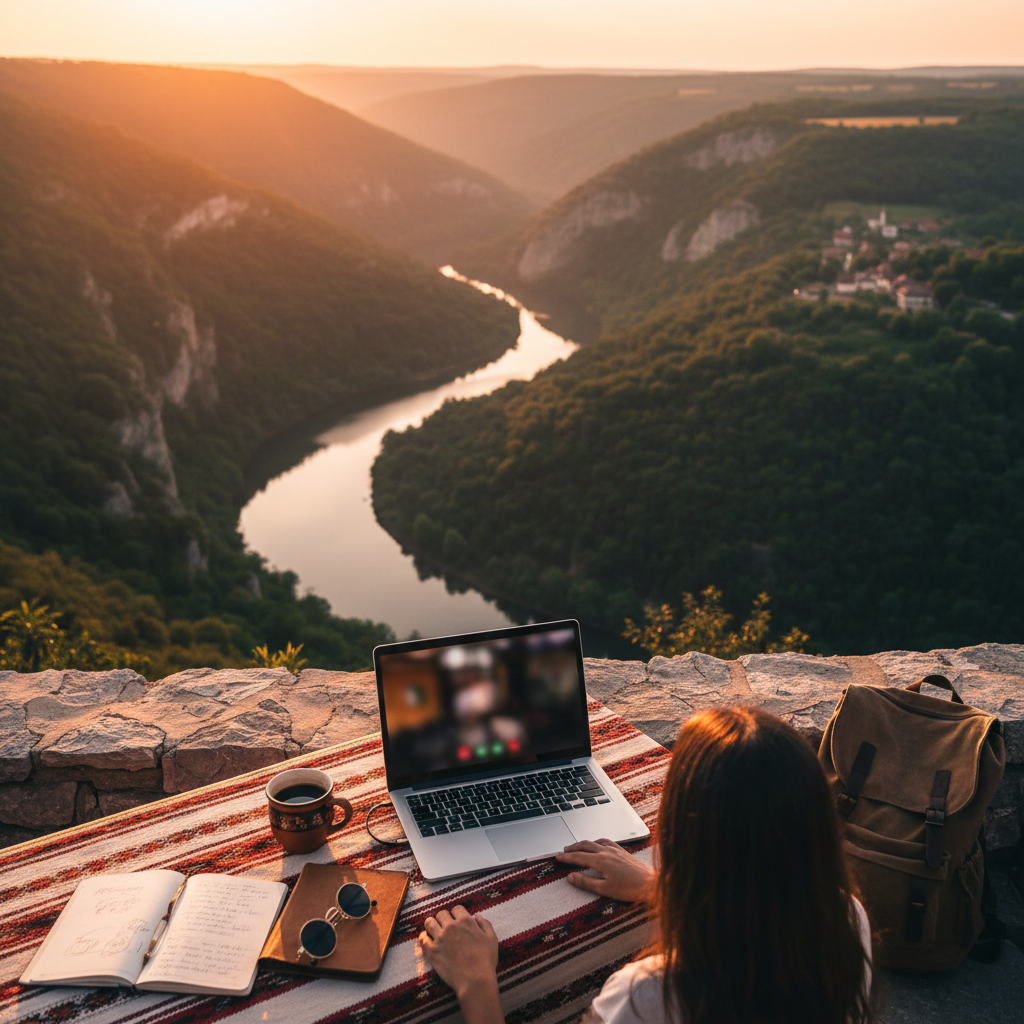
Unbreakable Connections: The Digital Nomad's 2026 Guide to Flawless Video Calls
For location-independent professionals, consistent internet is non-negotiable. This 2026 guide uncovers the top digital nomad destinations where reliable internet ensures your video calls are always crystal clear, boosting your remote career.
June 13, 2026
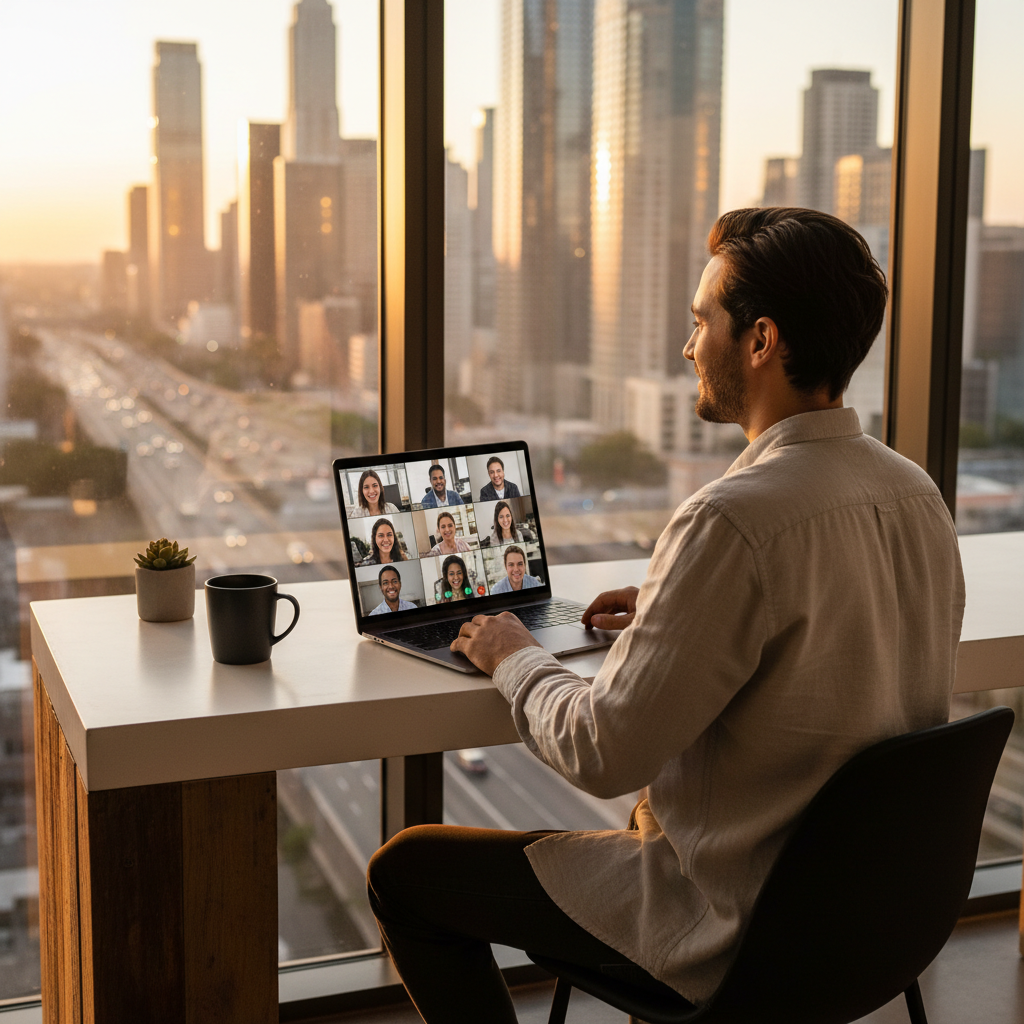
Unbreakable Connections: The Digital Nomad's 2026 Guide to Flawless Video Calls
Imagine this: you're closing a deal with a client halfway across the globe, or perhaps pitching a groundbreaking idea to your team. The stakes are high, anticipation is palpable, and then… the dreaded frozen screen. The pixelated face, the stuttering audio, the moment of connection shattered by a fickle internet signal. For the modern digital nomad, this isn't just an inconvenience; it's a productivity killer, a reputation damager, and a source of immeasurable frustration. As we stride into 2026, the promise of a truly location independent lifestyle hinges not just on enticing visas and vibrant cultures, but on the bedrock of consistent, high-speed, and reliable internet. This isn't about mere existence online; it's about seamless interaction, crystal-clear communication, and the uninterrupted flow of your remote career.
This guide isn't about listing countries with some internet. It's about identifying the elite destinations where internet reliability is a fundamental utility, not a luxury. We'll delve into the hard data, real-world experiences, and crucial factors that empower you to choose a hub where your video calls are as effortlessly clear as an in-person conversation.
The Non-Negotiable Core: Why Internet Reliability Reigns Supreme
In the grand tapestry of the digital nomad lifestyle, internet connectivity acts as the primary thread. While picturesque beaches and bustling cityscapes define the aesthetic, the underlying infrastructure dictates professional success. For any digital nomad job or online business, consistent, high-speed internet is the oxygen. Consider the impact of a dropped call during a major presentation or a sluggish connection when collaborating on a time-sensitive project. The consequences range from missed deadlines and client dissatisfaction to reduced income and a tarnished professional image. In 2026, with the increasing reliance on cloud-based tools, real-time collaboration platforms, and bandwidth-hungry applications, mediocre internet is no longer an option.
Defining 'Reliable Internet' for Digital Nomads
What truly constitutes reliable internet for the discerning digital nomad? It's more than just a high advertised megabit-per-second (Mbps) number. We're looking at a multi-faceted metric:
- Download Speed: Crucial for receiving data, streaming high-definition video, and downloading large files. For smooth video calls, a minimum of 25-50 Mbps is recommended, with 100+ Mbps being ideal for multiple users or high-resolution streaming.
- Upload Speed: Often overlooked, but vital for sending your video feed during calls, uploading files, and backing up data. A minimum of 10-20 Mbps is essential for stable video conferencing, with 30-50+ Mbps offering superior quality.
- Latency (Ping): Measures the time it takes for a data packet to travel from your device to a server and back. Lower latency (below 50ms) means less lag, which is critical for real-time interactions like video calls, online gaming, and responsive web browsing.
- Jitter: Variation in latency. High jitter can cause audio and video drops, even if average latency is low. Consistent, low jitter is paramount for stable calls.
- Uptime/Stability: The percentage of time the internet service is operational. Frequent outages, even short ones, can decimate productivity. We're looking for providers with 99%+ uptime statistics.
- Network Infrastructure: The underlying technology (fiber optic vs. DSL vs. satellite); fiber is generally superior in speed and reliability.
- Coverage: How widely available high-speed internet is, not just in major cities but in popular digital nomad hubs and even more remote co-working spaces.
When evaluating a destination, we need to consider all these elements. A country might boast impressive average speeds, but if these are only available in a single city, it limits the true work from anywhere potential.
The Global Connectivity Landscape 2026: Top Contenders for Uninterrupted Calls
As of 2026, several nations have consistently invested in robust digital infrastructure, prioritizing connectivity as a key economic driver. This benefits everyone, especially the digital nomad community seeking a location independent lifestyle.
European Beacons of Bandwidth
Europe, a perennial favourite for digital nomads, continues to lead in many connectivity metrics. Its comprehensive fiber optic networks and competitive markets foster high-quality services.
Portugal: Beyond the Beaches
Portugal has steadily climbed the ranks, offering excellent internet speeds, particularly in Lisbon, Porto, and the Algarve. Its liberal digital nomad visa policies, combined with a growing tech scene and co-working spaces, make it a top choice. Altice, NOS, and Vodafone are key players, often providing fiber-to-the-home (FTTH) services.
- Average Download Speed (2026 est.): 180-220 Mbps
- Average Upload Speed (2026 est.): 80-100 Mbps
- Average Latency (2026 est.): 15-25 ms
- Cost (monthly, fiber): €30-€50 (approx. 3,500-5,800 BDT) for packages including TV/phone.
Spain: The Mediterranean Connection
Spain's major cities like Madrid, Barcelona, and Valencia boast some of the best internet infrastructure in Europe. The country has aggressively rolled out fiber optics, often reaching over 90% of urban households. Its Digital Nomad Visa has further cemented its appeal.
- Average Download Speed (2026 est.): 200-240 Mbps
- Average Upload Speed (2026 est.): 90-110 Mbps
- Average Latency (2026 est.): 10-20 ms
- Cost (monthly, fiber): €35-€60 (approx. 4,000-7,000 BDT).
Estonia: The Digital Republic
Estonia's commitment to digitalization is legendary. As a pioneer in e-governance, its internet infrastructure is exceptional, even in smaller towns. This makes it an ideal spot for productivity for digital nomads, especially those focused on online business or demanding remote jobs. Its e-Residency program further cements its appeal.
- Average Download Speed (2026 est.): 150-190 Mbps
- Average Upload Speed (2026 est.): 70-90 Mbps
- Average Latency (2026 est.): 15-25 ms
- Cost (monthly, fiber): €25-€45 (approx. 2,900-5,200 BDT).
Asian Connectivity Powerhouses
Asia offers a mix of ultra-modern connectivity and emerging improvements.
Singapore: The Ultra-Fast City-State
Singapore consistently ranks at the very top globally for internet speeds and reliability. Its compact size and forward-thinking policies have resulted in near-universal fiber optic deployment. If uninterrupted connectivity is your paramount concern, Singapore is a safe bet, though the cost of living reflects this premium.
- Average Download Speed (2026 est.): 250-300+ Mbps
- Average Upload Speed (2026 est.): 150-200+ Mbps
- Average Latency (2026 est.): 5-10 ms (among the lowest globally)
- Cost (monthly, fiber): SGD 40-70 (approx. 3,200-5,600 BDT).
South Korea: Tech Giant Territory
Another global leader, South Korea, particularly Seoul, offers hyper-fast and incredibly reliable internet. It's a testament to sustained investment in digital infrastructure. While less of a traditional digital nomad hub due to language barriers and a demanding work culture, its connectivity is unparalleled.
- Average Download Speed (2026 est.): 280-350+ Mbps
- Average Upload Speed (2026 est.): 180-250+ Mbps
- Average Latency (2026 est.): 5-10 ms
- Cost (monthly, fiber): KRW 30,000-50,000 (approx. 2,500-4,200 BDT).
The Americas: Surprising Speeds & Growing Infrastructure
While often associated with slower speeds, some parts of the Americas are making significant strides.
Canada: Northern Nuances
Canada offers excellent internet, especially in major cities like Toronto, Vancouver, and Montreal. Rural areas can be spottier, but urban centers are highly connected with extensive fiber networks. Telus, Bell, and Rogers are major providers.
- Average Download Speed (2026 est.): 200-260 Mbps
- Average Upload Speed (2026 est.): 80-120 Mbps
- Average Latency (2026 est.): 20-35 ms
- Cost (monthly, fiber): CAD 60-90 (approx. 4,800-7,200 BDT).
United States: Pockets of Excellence
The US internet landscape is diverse. While overall national averages can be skewed by rural areas, major tech hubs such as Seattle, San Francisco, New York, and Austin offer some of the fastest and most reliable internet globally. Fiber providers like Google Fiber, AT&T Fiber, and Verizon Fios deliver exceptional speeds.
- Average Download Speed (2026 est.): 180-250 Mbps (highly variable by location)
- Average Upload Speed (2026 est.): 70-110 Mbps (highly variable by location)
- Average Latency (2026 est.): 20-40 ms
- Cost (monthly, fiber): USD 60-90 (approx. 6,600-9,900 BDT).
The Digital Nomad Bangladesh Perspective: Connectivity Comparison
For digital nomads considering their options from a Bangladesh-based perspective, understanding the relative performance and cost is crucial. While Bangladesh has made significant strides in internet penetration, particularly with mobile data and increasingly with fiber in urban centers like Dhaka, it still lags behind many developed nations in average speed, upload capability, and consistency for tasks like high-definition video calls. This comparison highlights why external destinations appeal for certain types of demanding remote work.
| Metric | Bangladesh (Dhaka est. 2026) | Portugal (Lisbon est. 2026) | Singapore (est. 2026) |
|---|---|---|---|
| Avg. Download | 60-100 Mbps (Fiber) | 180-220 Mbps | 250-300+ Mbps |
| Avg. Upload | 30-50 Mbps (Fiber) | 80-100 Mbps | 150-200+ Mbps |
| Avg. Latency | 40-70 ms | 15-25 ms | 5-10 ms |
| Monthly Cost | ৳1,000-৳2,000 (100Mbps) | €30-€50 (৳3,500-৳5,800) | S$40-70 (৳3,200-৳5,600) |
| Reliability | Good, occasional drops | Excellent | Exceptional |
| Fiber Coverage | Growing in urban | Widespread | Near-universal |
Note: Costs are for residential fiber plans and are approximate, subject to provider and package specifics.
This table illustrates that while costs might be lower in Bangladesh, the performance metrics critical for seamless video calls are significantly higher in these top digital nomad destinations. For a Bangladesh digital nomad seeking to elevate their remote career, these global hubs provide a tangible upgrade in their digital infrastructure. The higher monthly internet cost in places like Portugal or Singapore is often justified by the sheer reliability and speed, which directly impacts professional productivity and peace of mind when engaging in international online business.
Beyond National Averages: Local Tactics for Optimal Connectivity
Even in a highly connected country, your personal experience can vary significantly based on your specific location and habits. A true digital entrepreneur understands that internet access is a digital nomad tool to be actively managed.
Choosing Your Accommodation Wisely
- Ask for Speed Tests: Before booking, especially for longer stays, ask your host (Airbnb, co-living, etc.) for screenshots of recent speed tests from inside the apartment using sites like Speedtest.net or Fast.com. Pay attention to both download and upload.
- Fiber Optic Preference: Always prioritize accommodations with dedicated fiber optic connections (FTTH/FTTB) over DSL or shared Wi-Fi arrangements in large buildings.
- Router Location: The closer you are to the Wi-Fi router, the better. Consider wired Ethernet connections if available for mission-critical calls.
- Backup Solutions: Look for places that advertise a secondary internet connection or a strong mobile data signal from a reliable local provider if the primary Wi-Fi fails.
Leveraging Co-working Spaces
Co-working spaces are designed with the digital nomad in mind. They almost invariably offer:
- Redundant Internet: Often multiple ISPs, ensuring continuity.
- High-Speed Connections: Premium, business-grade fiber with high upload and download speeds.
- Wired Connections: Ethernet ports are common, offering the most stable connection.
- Professional Environment: Quieter settings conducive to focused work and calls.
In destinations like Lisbon or Tallinn, many co-working spaces offer day passes or flexible memberships at reasonable rates, making them an excellent investment for crucial meeting days.
Local SIM Cards as Your Personal Hotspot Hero
A local SIM card with a generous data plan is your ultimate backup plan. Even with excellent fixed-line internet, unexpected outages can occur. Modern smartphones provide reliable hotspot functionality, turning your phone into a portable router. Research local mobile carriers for their 4G/5G coverage and data packages. Providers like Singtel (Singapore), Vodafone (Portugal/Spain), and Telstra (Australia – though not featured above) are known for strong network coverage.
The Power of an Ethernet Adaptor
For MacBooks and many modern laptops, a USB-C to Ethernet adapter is a small, inexpensive, yet powerful digital nomad tool. Plugging directly into a router or a co-working space's network bypasses potential Wi-Fi interference and offers the most stable and fastest connection possible. This is a must-have for important video calls.
Optimizing Your Call Environment
Even with top-tier internet, external factors can impact call quality:
- Bandwidth Hogs: Close unnecessary tabs, applications, and downloads before a call. Inform others in your shared space to pause their streaming or gaming during your calls.
- Video Quality Settings: Most video conferencing tools allow you to adjust video quality. If struggles arise, lower your outgoing video resolution.
- Headsets: A good quality headset with a microphone significantly improves audio clarity on both ends, reducing the strain on your connection to transmit clear sound.
Real-World Application: Sofia's Strategic Connectivity
Consider Sarah, a freelance graphic designer specializing in UX/UI, working from Sofia, Bulgaria. She frequently has video calls with clients in London and New York. Bulgaria, while not often hitting the headlines for connectivity as much as Singapore, has quietly built an impressive and affordable fiber optic infrastructure, particularly in its capital. Sofia has a thriving digital nomad community, attracting those seeking a lower cost of living paired with high-quality connectivity.
Sarah's apartment in the Vitosha district has a dedicated fiber connection (200 Mbps download / 100 Mbps upload) for approximately €20 per month (approx. 2,300 BDT). For her critical client pitches, she sometimes utilizes a nearby co-working space that offers redundant gigabit fiber for just €15 for a day pass. When she travels to more rural mountain towns for hiking weekends, she relies on her strong mobile 5G connection (purchased via a local SIM) as a hotspot. This multi-layered approach to connectivity, characteristic of a savvy digital entrepreneur, ensures she can maintain her 5-star client reputation without sacrificing her work from anywhere flexibility.
Conclusion: Your Digital Lifeline Secures Your Lifestyle
Embarking on a digital nomad lifestyle in 2026 means embracing global work with unparalleled flexibility. However, this flexibility is only as strong as your internet connection. Prioritizing destinations with robust, reliable, and high-speed internet infrastructure is not a luxury; it's a fundamental requirement for professional longevity and peace of mind. By focusing on countries like Portugal, Spain, Estonia, Singapore, and South Korea, and by implementing smart local connectivity strategies, you can ensure that your video calls remain unbreakable, your productivity unchallenged, and your remote career thrives, no matter where in the world you choose to call your office.
F.A.Q. – Unbreakable Connections for Digital Nomads
Q1: What's the minimum internet speed I need for reliable video calls as a digital nomad? A1: For a single user, a minimum of 25 Mbps download and 10 Mbps upload is generally sufficient for standard-definition video calls. However, for high-definition calls, multiple users, or simultaneous tasks like screen sharing, aim for 50-100 Mbps download and 20-30 Mbps upload, with lower latency (ping) being crucial for a smooth experience.
Q2: How can I check the internet speed and reliability of a potential digital nomad destination before I arrive? A2: Utilize resources like Speedtest.net's Global Index for country-level averages. For city-specific details, search digital nomad forums, Facebook groups, and listen to podcasts where nomads share their real-world experiences. When looking at accommodations, always ask the host for recent speed test screenshots from inside the property. User reviews often mention internet quality.
Q3: Is Wi-Fi generally reliable in rented apartments, or should I always seek out co-working spaces for important calls? A3: Wi-Fi reliability can vary significantly in rented apartments, even in countries with excellent infrastructure. Factors like router quality, signal strength, and the number of connected users can impact performance. For critical calls (client pitches, team meetings), supplementing with co-working spaces or having a strong mobile hotspot as a backup is highly recommended to ensure maximum stability and professionalism.
Q4: What's the best backup internet solution for digital nomads, especially if apartment Wi-Fi fails? A4: A local SIM card loaded with a generous 4G/5G data plan is your most reliable backup. Modern smartphones can act as personal hotspots, providing internet to your laptop. Ensure you have unlocked your phone before you travel and research local mobile network coverage before committing to a provider.
Q5: How does latency (ping) affect video call quality, and what's a good ping target? A5: Latency, or ping, measures the response time of your internet connection. High latency means delays, leading to lag, audio-video sync issues, and general choppiness in video calls. For a smooth video call experience, aim for a ping of 50 milliseconds (ms) or lower. Anything above 100ms will be noticeable and potentially disruptive.
Q6: Are there any specific digital nomad tools or hardware besides an Ethernet adapter that can improve my connectivity? A6: Besides an Ethernet adapter, a high-quality, external webcam and a headset with a noise-canceling microphone can significantly improve your video and audio quality, making your calls clearer for the other party, even with moderate internet. Additionally, consider a portable Wi-Fi extender if you frequently move desks within a large apartment or co-working space, though this won't boost a fundamentally slow connection.
Sources
- Speedtest.net by Ookla – Global Index (Aggregated Data for 2024-2025, extrapolated for 2026 trends). Consult the official website for current statistics.
- ITU (International Telecommunication Union) – Reports on global broadband penetration and infrastructure development (2023-2025 publications).
- Statista – Various reports on internet speeds and costs by country (2024-2025 data).
- Eurostat – Digital Economy and Society Statistics (European Union data on internet access and speeds, 2024-2025).
- National Telecommunications Regulatory Bodies (e.g., ANACOM Portugal, CNMC Spain, IMDA Singapore) – Official reports on national infrastructure and service quality.
- Digital Nomad Community Surveys and Forums (e.g., Nomad List, Facebook Groups for specific locations) – Aggregated anecdotal evidence from 2024-2025 on local internet experiences.
Interested in applying?
Tell us a bit about yourself and we'll send tailored guidance on eligibility, paperwork, and next steps.