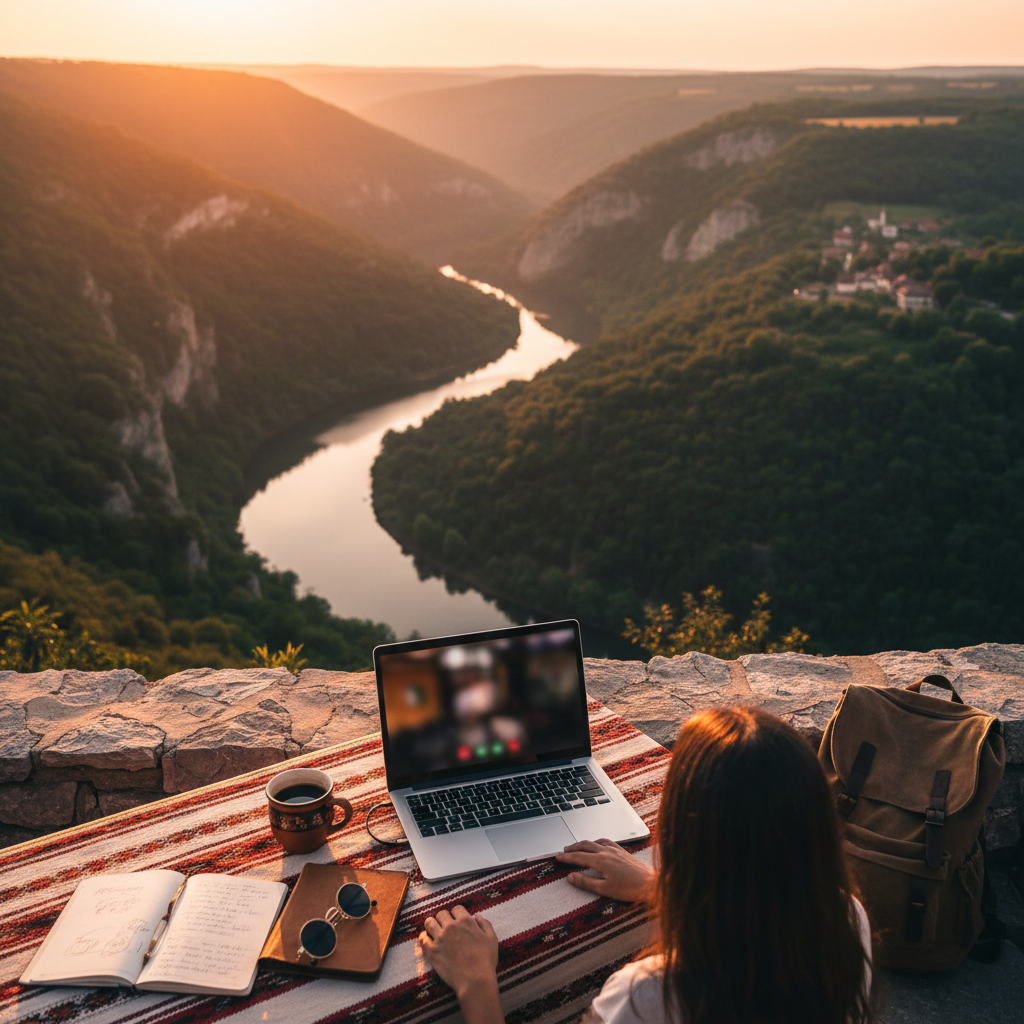
Seamless Streams: The Digital Nomad's Guide to Video-Call-Ready Destinations in 2026
Discover the top digital nomad destinations with rock-solid internet, essential for uninterrupted video calls and remote work in 2026. This guide dives into infrastructure, reliability metrics, and practical tips for staying connected.
July 29, 2026
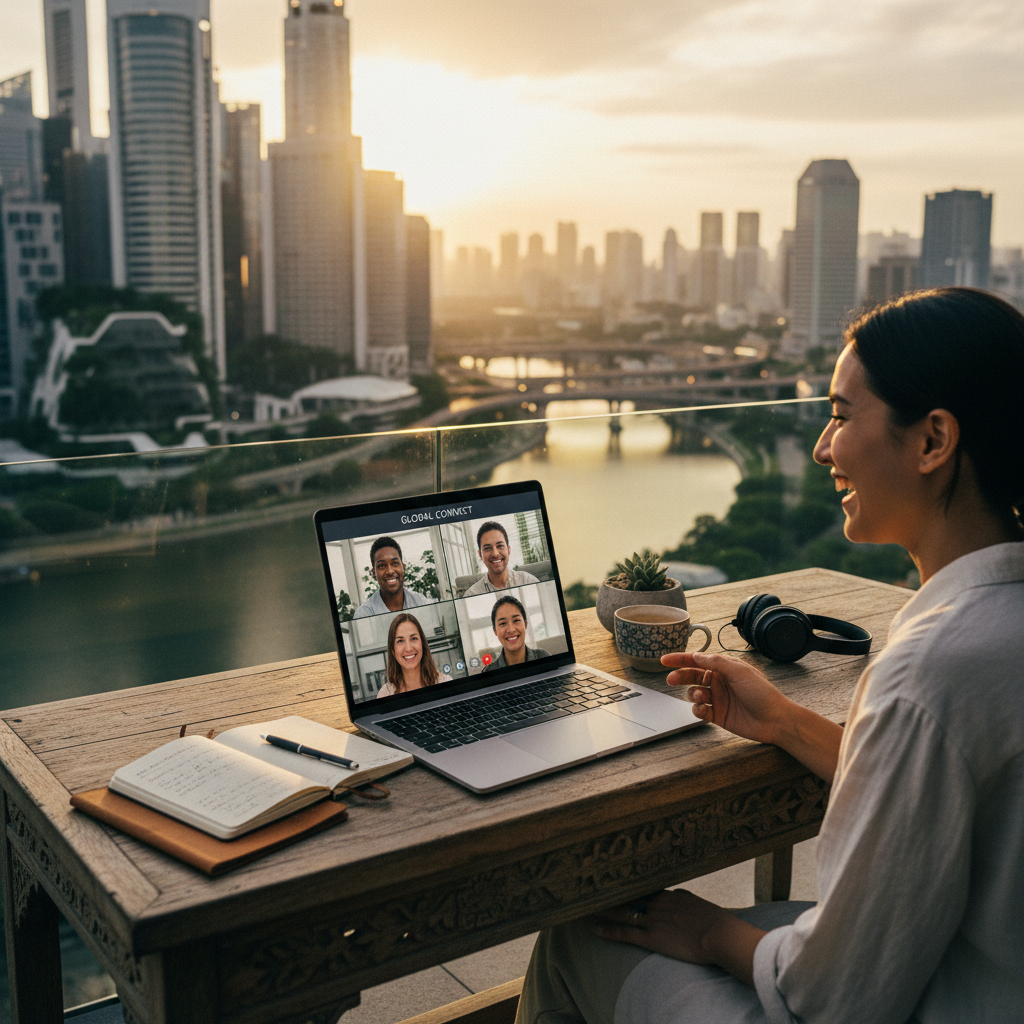
Seamless Streams: The Digital Nomad's Guide to Video-Call-Ready Destinations in 2026
In the ever-evolving landscape of remote work, a stable, high-speed internet connection is no longer a luxury; it's the bedrock of a successful digital nomad lifestyle. Imagine this: you're poised to close a crucial deal with a client in New York, or you're about to present your groundbreaking ideas to a global team, only for your screen to freeze, your voice to cut out, and the dreaded 'Reconnecting...' message to pop up. This isn't just an annoyance; it's a productivity killer, a reputation damager, and frankly, a nightmare. As we hurtle towards 2026, the demand for impeccable video call quality has never been higher, driven by the increasing reliance on platforms like Zoom, Google Meet, and Microsoft Teams.
But which corners of the globe genuinely offer the robust digital infrastructure needed to support a life built on virtual interactions? This isn't merely about raw download speeds; it's about reliability, latency, and consistency. It's about knowing that when you're in the middle of a crucial presentation, your internet connection won't betray you. This comprehensive guide delves deep into the best digital nomad destinations for flawless video calls, analyzing the critical metrics that matter most and offering a real-world perspective for remote professionals.
The Anatomy of an Impeccable Video Call Connection
Before we dive into specific locations, let's dissect what truly constitutes a 'video-call-ready' internet connection. It’s more nuanced than a quick speed test might suggest.
- Download Speed: While often emphasized, excessive download speed isn't strictly necessary for video calls. Zoom recommends 1.2 Mbps (megabits per second) for one-on-one HD video and 3.0 Mbps for group HD video. However, a buffer of at least 20-30 Mbps download ensures smooth streaming of other content and simultaneous applications.
- Upload Speed: This is the unsung hero of video conferencing. Your upload speed determines how clearly others hear and see you. Zoom suggests 1.2 Mbps for one-on-one HD and 3.0 Mbps for group HD. Aim for at least 5-10 Mbps upload for safety.
- Latency (Ping): Measured in milliseconds (ms), latency is the time it takes for a data packet to travel from your device to the server and back. High latency (e.g., above 100-150 ms) leads to noticeable delays and choppiness. Target latency below 50 ms for optimal real-time interaction.
- Jitter: This refers to the variation in latency over time. High jitter causes packet loss and can make audio and video appear jumpy or distorted. Ideal jitter is under 20 ms.
- Packet Loss: When data packets don't reach their destination, it results in dropped audio, frozen video, and general call instability. This is the ultimate enemy of a smooth video call. A packet loss rate of 0% is the goal, though under 1% is generally acceptable.
Global Internet Reliability Index: Top Contenders for 2026
Based on aggregated data from various independent internet measurement platforms (Ookla Speedtest Global Index, Cable.co.uk, Statista, and regional telecommunications reports up to Q4 2025), here are the countries consistently ranking high for internet reliability and speed, making them prime candidates for digital nomads prioritizing video calls.
| Country | Average Download Speed (Mbps) | Average Upload Speed (Mbps) | Average Latency (ms) | Reliability Score (1-10) | Primary Infrastructure | Typical Monthly Internet Cost (USD) |
|---|---|---|---|---|---|---|
| Singapore | 280.5 | 210.1 | 5-10 | 9.8 | Fiber-Optic | 40-60 |
| South Korea | 255.0 | 188.7 | 6-12 | 9.7 | Fiber-Optic | 35-55 |
| Hong Kong | 240.2 | 175.5 | 8-15 | 9.6 | Fiber-Optic | 30-50 |
| Switzerland | 220.1 | 155.3 | 10-18 | 9.5 | Fiber-Optic/Cable | 60-90 |
| Denmark | 198.8 | 120.9 | 12-20 | 9.4 | Fiber-Optic | 45-70 |
| France | 185.3 | 110.1 | 15-22 | 9.3 | Fiber-Optic/ADSL | 30-60 |
| Spain | 170.9 | 98.7 | 18-25 | 9.2 | Fiber-Optic/ADSL | 25-50 |
| Netherlands | 165.2 | 90.5 | 15-20 | 9.2 | Fiber-Optic/Cable | 40-65 |
| United States | 150.7 | 70.3 | 20-35 | 8.9 | Fiber-Optic/Cable/DSL | 50-80 |
| Canada | 145.0 | 65.8 | 25-40 | 8.8 | Fiber-Optic/Cable/DSL | 60-95 |
Note: Speeds are averages and can vary significantly by provider, location within a country (urban vs. rural), and type of connection. Reliability Score is a composite based on consistency, uptime, and minimal packet loss, not just raw speed.
The Superlatives of Connectivity: A Closer Look
Singapore: Consistently at the top, Singapore's national fiber broadband network, initiatives like SG-Wifi, and a competitive ISP market ensure near-ubiquitous high-speed connectivity. For a digital nomad, this means seamless multi-party video calls, large file transfers mid-meeting, and crystal-clear audio-visuals are the norm, not the exception. The government's continued investment in 5G infrastructure also solidifies its position.
South Korea: Another Asian powerhouse, South Korea boasts a hyper-connected society with some of the fastest average internet speeds globally. Its robust infrastructure, driven by rapid technological adoption and fierce competition amongst providers like KT, SK Telecom, and LG U+, makes it a haven for remote workers who cannot tolerate a single dropped frame.
European Fiber Frontrunners (Switzerland, Denmark, France, Spain, Netherlands): Europe has made significant strides in fiber-optic deployment. Countries like Switzerland and Denmark, with smaller geographic footprints and strong governmental support for infrastructure, offer incredibly stable and fast connections. France and Spain, while having more varied coverage, especially in rural areas, have invested heavily in urban fiber, making cities like Paris, Barcelona, Madrid, and Amsterdam incredibly reliable hubs for digital nomads. The competitive market in these nations also keeps prices relatively reasonable for the quality provided.
The Reality on the Ground: Beyond the National Averages
National averages are useful benchmarks, but a digital nomad's experience is shaped by local realities. A country with excellent overall infrastructure might still have pockets of poor connectivity, especially in remote tourism hotspots.
- City vs. Rural: This is paramount. Major cities almost always have superior infrastructure due to higher population density and economic incentives for ISPs. Don't assume a fantastic national average translates to a remote mountain village.
- Accommodation Type: Airbnbs and hotels often have shared Wi-Fi networks, which can be inconsistent, especially during peak hours. Opting for serviced apartments or co-living spaces with dedicated internet lines or known reliable providers is often a safer bet.
- Co-working Spaces: These are digital nomad lifelines. Many co-working spaces proactively invest in redundant internet connections (e.g., primary fiber with a 5G backup) and offer business-grade speeds, specifically catering to video conferencing needs. Always check reviews specifically mentioning internet quality.
- Mobile Data Reliability: In many countries, 4G and 5G mobile data networks are incredibly fast and reliable, serving as excellent backups or primary connections. Look for countries with strong mobile network coverage from multiple providers.
Case Study: A Digital Nomad in Lisbon, Portugal (2025)
Consider Maria, a freelance UX/UI designer based in Lisbon. Portugal, while not in the absolute top tier for national averages, has invested heavily in fiber. In 2025, Maria consistently gets 150 Mbps download and 80 Mbps upload with MEO Fiber for €35/month in her apartment near Saldanha. Her latency typically hovers around 15-20 ms. She regularly conducts video calls with clients in California and Sydney. During a two-week stay in a small Airbnb in Ericeira, a coastal town an hour from Lisbon, she encountered an older ADSL connection with only 20 Mbps download and 3 Mbps upload, making high-definition group calls challenging. This prompted her to invest in a local SIM card with unlimited 5G data from NOS, which provided a more stable 70 Mbps download and 25 Mbps upload, serving as her primary internet source when working from the beachside cafe. This illustrates the importance of local context and having backup options.
Strategizing for Uninterrupted Connectivity
Beyond choosing a robust country, there are actionable steps digital nomads can take.
- Always Verify Local Speeds Pre-Booking: Before committing to accommodation, specifically check internet reviews or ask the host for a screenshot of a recent speed test. Websites like Speedtest.net have a global map data feature that can show average speeds in specific areas.
- Invest in a Local SIM Card with Abundant (or Unlimited) Data: This is your primary backup. Even in countries with excellent fixed-line internet, mobile data can be a lifesaver during outages or when working from cafes.
- Portable Wi-Fi Hotspot: For frequent movers, a portable hotspot (MiFi device) with a local SIM can ensure you always have a personal network, unburdened by shared public Wi-Fi.
- Ethernet Cable: If working from an apartment, a direct Ethernet connection to the router is almost always more stable and faster than Wi-Fi, reducing latency and jitter.
- VPN Selection: A robust VPN can protect your data but can also introduce latency. Choose a VPN provider with servers geographically close to your primary work location or client base, and always test speeds with and without the VPN.
- Optimize Your Devices: Close unnecessary applications, update your operating system and video conferencing software, and use a modern, powerful laptop for optimal performance.
- Communicate Proactively: If you anticipate an internet challenge, inform clients or colleagues in advance. Perhaps you can switch to an audio-only call or reschedule if absolutely necessary.
Taxes for Digital Nomads and Internet Costs
While this article focuses on connectivity, it's crucial to acknowledge the financial implications. The internet cost data provided in the table is for basic residential packages. Many digital nomad visas (e.g., Portugal, Spain, Malta, etc.) offer specific tax incentives, often a reduced flat rate on foreign-sourced income, particularly for the first few years. These tax rates vary wildly, from 0% in some short-term stays to 10-25% under various DNV schemes. Always consult the specific DNV requirements for your chosen country, especially concerning income thresholds and tax obligations. For instance, some DNVs require specific income amounts (e.g., €2,800/month for Spain, €10,000/month for UAE) to qualify, but these rarely discriminate based on internet expenses. The cost of reliable internet, while a business expense, is usually negligible compared to overall living costs and potential tax savings.
For Bangladeshi Passport Holders: Navigating Connectivity Challenges
Bangladeshi digital nomads venturing abroad face the same connectivity needs as any other remote worker, but sometimes with additional visa complexities. When considering countries for their digital nomad potential, particularly those prized for internet reliability, specific attention should be paid to:
- Visa Accessibility: While countries like Singapore and South Korea boast incredible internet, obtaining a long-term visa (digital nomad or otherwise) can be more challenging for Bangladeshi passport holders compared to, say, EU citizens. Research visa requirements thoroughly.
- Ease of Local SIM Acquisition: In some countries, purchasing a local SIM might require specific documentation not always readily available to short-term visitors. Plan ahead.
- Remittance and Banking: For Bangladeshi freelancers, ensuring smooth international money transfers and local banking access in a new country is paramount. Countries with robust digital banking infrastructure often facilitate this better.
While internet quality in Bangladesh has significantly improved in metropolitan areas like Dhaka (with average download speeds around 40-60 Mbps in early 2026 for fiber broadband), the reliability and consistency across the country still lag behind the global leaders. Therefore, for serious remote work involving frequent video calls, choosing a destination from the top-tier list provides a starkly superior working environment.
Frequently Asked Questions
What are the most important internet metrics for video calls?
Download speed (at least 20-30 Mbps), upload speed (at least 5-10 Mbps), low latency (under 50 ms), and minimal jitter (under 20 ms) are crucial for clear, uninterrupted video calls.
Which countries have the most reliable internet for digital nomads?
Singapore, South Korea, Hong Kong, Switzerland, and Denmark consistently rank highest for overall internet reliability, speed, and low latency, making them ideal for video calls.
How can I verify internet speed before booking accommodation?
Always ask your host for a recent speed test screenshot. Also, check internet reviews for the specific accommodation or location, or use global speed test maps to gauge local averages.
Is mobile data a good backup for video calls?
Yes, in many countries, 4G and especially 5G mobile data networks are very fast and reliable, serving as excellent primary or backup connections for video calls. A local SIM with generous data is highly recommended.
Will using a VPN affect my video call quality?
A VPN can introduce latency and potentially reduce speeds, impacting video call quality. Choose a VPN with fast servers geographically close to your work or client base, and test its performance.
Do co-working spaces offer better internet than cafes?
Generally, yes. Co-working spaces typically invest in business-grade, redundant internet connections specifically designed for high usage and video conferencing, offering much greater reliability than public cafe Wi-Fi.
Can Bangladeshi citizens easily access countries with great internet for digital nomad purposes?
Visa requirements vary significantly by country. While countries like Singapore boast excellent internet, Bangladeshi citizens should thoroughly research the specific digital nomad or long-term visa options for each desired destination, as some may have more stringent requirements.
Sources
- Ookla Speedtest Global Index (Q4 2025 data)
- Cable.co.uk Worldwide Broadband Speed League (2025 report)
- Statista: Internet Speed Benchmarks (various 2025 reports)
- ITU (International Telecommunication Union) Telecommunication/ICT Data (2025 statistics)
- Specific country telecommunications regulatory body reports (e.g., IMDA Singapore, OFCOM UK, ARCEP France, etc. - 2025 reports)
- Zoom Video Communications official system requirements documentation (accessed 2026)
Compare with
Portugal, Malaysia, Thailand, Mexico
Interested in applying?
Tell us a bit about yourself and we'll send tailored guidance on eligibility, paperwork, and next steps.