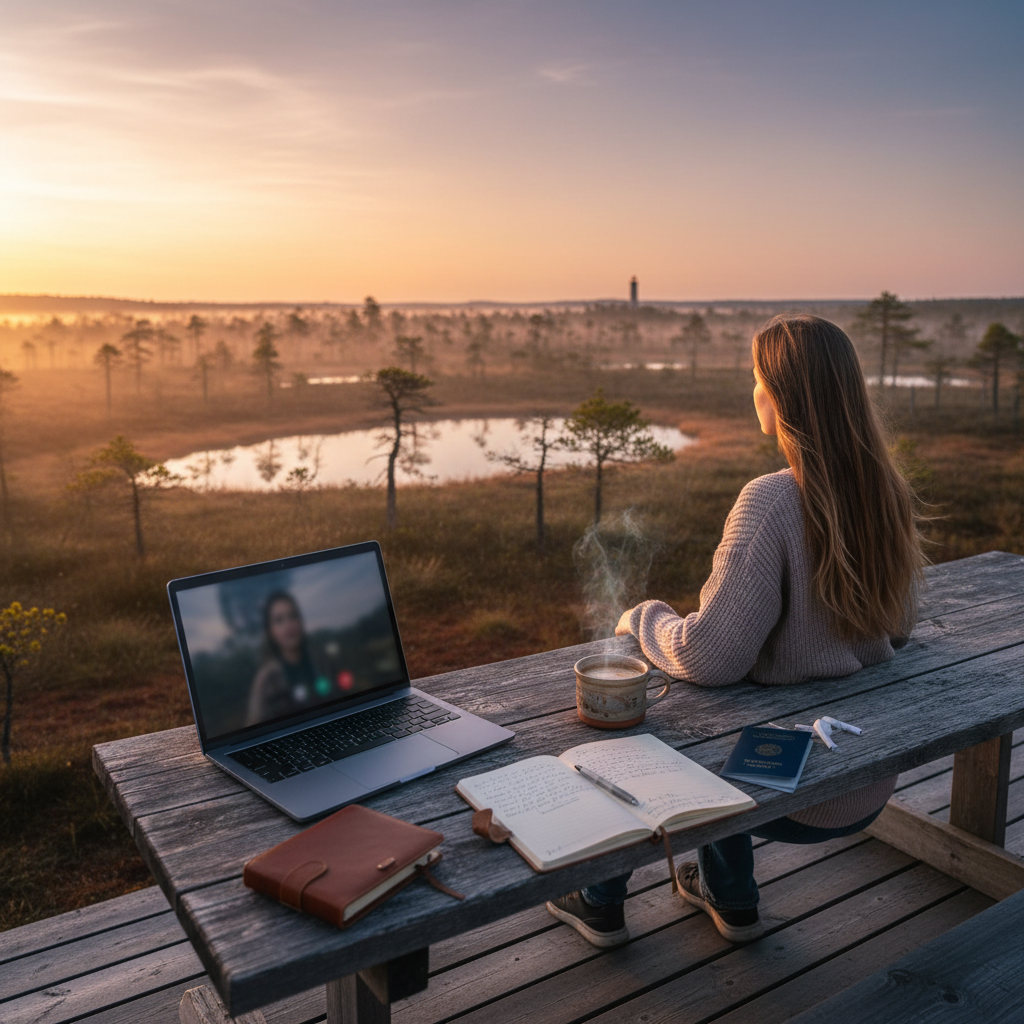
Pixel-Perfect Connectivity: Your 2026 Guide to Digital Nomad Havens for Flawless Video Calls
Never drop a crucial client call again. This in-depth guide reveals the top digital nomad destinations for internet reliability in 2026, ensuring your remote work is always pixel-perfect.
August 30, 2026

In the vibrant, ever-evolving tapestry of the digital nomad lifestyle, one thread is non-negotiable: connectivity. For those of us whose careers thrive on remote work, particularly those who live and breathe through virtual meetings and collaborative video calls, a stuttering screen or a dropped connection isn't just an inconvenience—it's a professional catastrophe. Imagine pitching a life-changing project, only for your video to freeze mid-sentence, or conducting a critical team sync with constant buffering. It’s not merely frustrating; it erodes trust and impacts your bottom line. As we navigate the landscape of 2026, the question isn't just where can I work, but how reliably can I work from there?
This article delves deep into the often-overlooked yet utterly critical factor of internet reliability, identifying the best digital nomad destinations where your video calls will be as smooth as a freshly brewed espresso. We're moving beyond mere speed metrics to assess stability, latency, and real-world performance, empowering you to choose a location where your digital nomad lifestyle truly thrives, unhindered by technical glitches. From bustling urban centers to serene island paradises, we'll uncover the internet strongholds that guarantee your remote work remains uninterrupted and your location independent lifestyle truly limitless.
The Unseen Infrastructure: Why Internet Reliability Trumps Raw Speed
When evaluating a potential digital nomad hub, many immediately jump to headline figures like '500 Mbps fiber optic available!' While impressive, raw download speeds are only part of the equation, especially for video conferencing. A blazing fast connection that frequently drops or suffers from high latency is arguably worse than a moderately fast but rock-solid one. For digital entrepreneurship and client-facing roles, consistency is king.
Consider these often-underestimated factors:
- Latency (Ping): This measures the delay before a data packet reaches its destination and returns. High latency leads to frustrating lag in video calls, making conversations feel disjointed and unnatural. For smooth, real-time interaction, you want latency below 50ms, ideally below 20ms.
- Jitter: The variation in latency. Even if your average latency is low, high jitter means inconsistent packet delivery, causing video and audio to cut out or become garbled.
- Upload Speed: Often neglected, sufficient upload speed is crucial for sending your video and voice clearly during a call. Many internet packages prioritize download, but for video conferencing, a healthy upload speed (e.g., 20-50 Mbps minimum for HD video with screen sharing) is essential.
- Network Stability: How often does the connection drop entirely? This is the most catastrophic failure for a video call and often relates to infrastructure quality, weather resilience, and maintenance standards.
Global Connectivity Index 2026: Top-Tier Destinations for Video Calls
Based on independent network performance reports, user feedback, and infrastructure investments projected for 2026, here are some of the standout regions and countries offering exceptional internet reliability for your video calls:
| Country/Region | Average Download Speed (Mbps) | Average Upload Speed (Mbps) | Average Latency (ms) | Notable Infrastructure | Best For | Digital Nomad Visa Status (2026) |
|---|---|---|---|---|---|---|
| Singapore | 280+ | 180+ | 5-10 | Extensive fiber, 5G | Asia Hub, Finance | Yes, under specific criteria |
| South Korea | 260+ | 150+ | 10-15 | World-leading 5G, fiber | Tech, Innovation | Yes, for high-income remote workers |
| Estonia | 150+ | 80+ | 15-20 | Digital-first infrastructure | EU Base, Startups | Yes, well-established |
| Portugal | 170+ | 90+ | 15-25 | Strong fiber optic rollout | EU Base, Lifestyle | Yes, popular & accessible |
| Spain | 190+ | 100+ | 10-20 | Aggressive fiber expansion | EU Base, Culture | Yes, gaining traction |
| Canada | 180+ | 70+ | 20-30 | Urban fiber, strong mobile | North America | Generally visitor/work permits |
| Germany | 160+ | 60+ | 15-25 | Robust, expanding fiber | EU Base, Stability | Yes, specific 'Freelance' visa |
| Latvia | 160+ | 90+ | 10-15 | High fiber penetration | EU Base, Baltics | Yes, launched 2023 |
| Uruguay | 120+ | 70+ | 25-35 | South America leader, fiber | LatAm, Lifestyle | Yes, new 2024 launch |
| UAE (Dubai) | 200+ | 120+ | 10-20 | Advanced 5G, fiber | Middle East, Luxury | Yes, with income thresholds |
Note: Speeds are averages and can vary significantly by specific location (urban vs. rural) and ISP within each country. Latency is typically measured to local servers.
Deep Dive: Europe's Connectivity Champions
Europe remains a perennial favorite for the digital nomad community, and for good reason. Many countries have invested heavily in their digital infrastructure, making them prime candidates for flawless video calls. Beyond the well-known tech hubs, some smaller nations are punching above their weight.
Portugal: Beyond the Sun and Surf
Portugal has long been a digital nomad hotspot, and its internet infrastructure solidifies its appeal. Major cities like Lisbon, Porto, and even smaller towns in the Algarve boast widespread fiber optic connectivity. ISPs like MEO, NOS, and Vodafone offer competitive packages with excellent upload speeds. The consistent performance means you can confidently schedule back-to-back video calls without dreading the dreaded buffering icon. The Portugal digital nomad visa (known as the D8 Visa) is also well-established, requiring an income of approximately €3,040 per month for a single applicant as of 2026.
Spain: Fiber for the Fiestas
Spain has aggressively rolled out fiber-to-the-home (FTTH) networks, now covering a vast percentage of the population. This commitment means even charming, seemingly remote pueblos might surprise you with gigabit-capable internet. Madrid, Barcelona, Valencia, and Seville are connectivity powerhouses. The Spain digital nomad visa, officially the Visa for International Teleworkers, is designed to attract remote professionals and requires an income of at least €2,646 per month for 2026. This allows for stable remote career development while enjoying Spain's rich culture.
Estonia: The Digital Republic's Unsung Reliability
Estonia isn't just 'e-everything'; it's also incredibly well-connected. As a pioneer in digital governance, the infrastructure supports its vision. Latency is remarkably low, and network stability is a hallmark. It’s a fantastic base for those looking to tap into Europe's startup scene or run an online business with minimal technical hiccups. The Estonia digital nomad visa (D-visa for digital nomads) requires a minimum income of €3,500 per month and offers a straightforward application process, making it a reliable choice for remote workers.
The Asian Advantage: Speed and Stability Personified
Asia, particularly East and Southeast Asia, houses some of the world's most advanced digital infrastructures, making them ideal for high-stakes video calls.
Singapore: The Urban Connectivity Utopia
Singapore consistently ranks at the top for internet speed and reliability globally. Its compact size allows for ubiquitous fiber coverage and advanced 5G networks. For the digital entrepreneur who cannot afford a single dropped call, Singapore is a sanctuary. However, its higher cost of living is a consideration. While not a specific 'digital nomad visa', Singapore offers various long-term passes for professionals, and its sophisticated coworking spaces further enhance productivity for remote jobs.
South Korea: A Glimpse into the Future of Connectivity
South Korea has been a broadband leader for decades, and its 5G network is world-renowned. Expect incredibly low latency and phenomenal upload and download speeds, even in transit. This makes it an excellent choice for demanding creative work, streaming, and constant video conferencing. The South Korea digital nomad visa (Workation Visa), launched in late 2024, requires an annual income of at least 84.96 million KRW (approx. $65,000 USD at 2026 rates) and caters to higher-earning remote professionals.
North and South American Contenders
While some North and South American countries are still catching up, key urban centers offer robust connectivity for digital nomads.
Canada: The Great White North's Digital Backbone
Canada's major cities like Toronto, Vancouver, and Montreal offer excellent fiber optic internet. While rural areas can be spottier, urban centers are highly reliable. Mobile networks are also strong, providing good backup. Canada doesn't have a dedicated digital nomad visa, but its existing immigration pathways for skilled workers or visitors' visas with conditions can be explored.
Uruguay: The Unexpected South American Champion
Often overlooked, Uruguay stands out in South America for its commitment to high-speed internet. Antel, the state-owned telecom company, has achieved impressive fiber penetration. Its capital, Montevideo, is a hub for reliable internet, offering a significant advantage over many of its neighbors. Uruguay launched its dedicated digital nomad visa in 2024, aiming to attract remote workers with an income requirement of around $1,500 USD per month.
Practical Steps to Ensure Flawless Video Calls Anywhere
Even in the best locations, preparation is key. Here's how to maximize your chances of uninterrupted calls:
- Always Test Before You Commit: Before signing a long-term lease, test the internet speed and stability at your potential accommodation. Use tools like Speedtest.net or Fast.com, and check latency. Better yet, try a video call from the location.
- Backup Internet: A reliable mobile hotspot or a secondary SIM card with a data plan is your ultimate safety net. Even fiber can go down due to local power outages or network issues.
- Wired is Best: When possible, connect your laptop directly to the router via an Ethernet cable. Wi-Fi introduces variability, interference, and higher latency.
- Optimize Your Setup: Close unnecessary browser tabs and applications. Use a quality headset with a good microphone to minimize background noise and improve audio clarity. Consider a dedicated webcam for better video quality than built-in laptop cameras.
- Research Local ISPs: Look up reviews of internet service providers in your target area. Some might be known for better customer service or more stable connections.
- Coworking Spaces: Often, coworking spaces invest in enterprise-grade internet and redundant connections, making them a safer bet for crucial calls than a home connection, especially in developing regions.
For Bangladeshi Passport Holders: Navigating Connectivity and Visas
For Digital Nomads from Bangladesh, the journey involves not just finding reliable internet but also navigating visa requirements. While many countries offer digital nomad visas, the process can differ for Bangladeshi citizens compared to those from Western nations. However, the pursuit of excellent connectivity remains universal.
When considering destinations, Bangladeshi remote workers should prioritize those with well-established digital nomad visa programs and high internet reliability. Countries like Estonia, Portugal, and Spain, which actively welcome digital nomads, often have streamlined application processes. South Korea's new Workation Visa is also an option for those meeting the higher income thresholds. For those considering a base closer to home, the infrastructure in Singapore and the UAE stands out significantly. While specific visa pathways may involve more documentation or longer processing times, the reward of a stable remote work environment is invaluable for sustaining a digital entrepreneurship venture.
Ensure you consult the country's official immigration website for the most up-to-date visa requirements for Bangladeshi citizens, as these can change. Focus on meeting income thresholds, securing comprehensive health insurance, and preparing all necessary documentation meticulously.
Cost Breakdown: Investing in Uninterrupted Connectivity
Good internet often comes at a price, but it's an investment in your career. Here's a general idea of monthly fiber internet costs in some top-tier locations as of 2026, for a package suitable for multiple video calls (e.g., 200-500 Mbps down/50-100 Mbps up):
| Country | Monthly Internet Cost (USD) | Additional Costs/Notes (USD) |
|---|---|---|
| Singapore | $40 - $70 | High mobile data cost if primary |
| South Korea | $25 - $50 | Often bundled with TV/mobile |
| Estonia | $30 - $60 | Competitive, strong coverage |
| Portugal | $35 - $75 | Bundles common, good value |
| Spain | $30 - $70 | Aggressive promotions, good value |
| Germany | $35 - $65 | Reliable but can be slower rollout in rural |
| UAE (Dubai) | $70 - $120 | Premium, high speeds, often contract-based |
| Uruguay | $30 - $60 | Excellent value for LatAm |
| Canada (Urban) | $50 - $90 | Varies by province/ISP |
These costs generally represent basic home fiber optic plans. Opting for enterprise-grade connections in a coworking space might cost more (e.g., $150-$400/month for a dedicated desk), but often provides unparalleled reliability and redundancy—a small price to pay for critical business operations.
Real-World Scenario: A Case Study in Connectivity Selection
Meet Anya, a UX designer running her own online business. Her daily routine involves multiple client calls with agencies in London and New York, often requiring screen sharing of high-fidelity prototypes. Anya initially chose a charming beach town in Southeast Asia due to its low cost of living. However, despite advertised 'high speeds', her calls were plagued by intermittent drops, pixelated video, and unbearable lag, especially during peak hours. She often had to reschedule or rely on unreliable mobile hotspots, damaging her professional image and causing immense stress.
After a particularly disastrous client presentation, Anya researched heavily into network stability. She relocated to Valencia, Spain. Her new apartment's fiber optic connection, from a major provider, consistently delivers 600 Mbps down and 100 Mbps up, with latency rarely exceeding 20ms. She also invested in a premium coworking space membership for her most critical calls, which provides a dedicated redundant fiber line. The slight increase in her monthly living expenses in Spain was more than offset by the peace of mind, improved client relations, and increased productivity. Anya's digital entrepreneurship now flourishes, unhindered by technical woes.
Frequently Asked Questions
What is the internet reliability index for digital nomads?
It's a comprehensive assessment of internet quality for remote work, going beyond raw speed to include factors like latency, jitter, upload speed, and network stability, crucial for smooth video calls and productivity.
Who are the top digital nomad destinations for internet reliability in 2026?
Leading destinations include Singapore, South Korea, Estonia, Portugal, and Spain, all boasting extensive fiber optic networks, advanced 5G, and consistent performance vital for remote workers.
How much does reliable internet typically cost for digital nomads?
Monthly costs for fiber internet suitable for remote work range from $25-$120 USD, depending on the country and package. Coworking spaces might offer more robust, albeit pricier, enterprise connections.
How important are upload speeds for video calls?
Crucial. While download speeds get headlines, sufficient upload speed (e.g., 20-50 Mbps) is essential for sending your video and voice clearly during a call, preventing pixelation and audio drops on the other end.
Can high latency affect video call quality?
Yes, high latency (ping) introduces noticeable delays in communication, making conversations feel unnatural and disjointed. For seamless real-time interaction, low latency (under 50ms) is highly desirable.
Do I need a backup internet source as a digital nomad?
Absolutely. Even in highly connected countries, local outages can occur. A mobile hotspot or a secondary SIM card with a robust data plan serves as an indispensable safety net for critical tasks and calls.
Can Bangladeshi citizens get reliable internet and digital nomad visas?
Yes, Bangladeshi citizens can pursue digital nomad visas in many countries, though processes may vary. Destinations like Estonia, Portugal, and South Korea offer good options. Reliable internet is available in major cities worldwide.
Sources
- Ookla Speedtest Global Index (January 2026 data, aggregated)
- OpenSignal State of Mobile Network Experience Reports (Q4 2025)
- Country-specific telecom regulatory body reports (e.g., ANACOM Portugal, CNMC Spain, IMDA Singapore)
- Official immigration websites for digital nomad visa requirements (e.g., Portuguese Immigration and Borders Service, Estonian Police and Border Guard Board, Spanish Ministry of Foreign Affairs)
- Analysis of digital nomad forums and community feedback platforms (aggregated 2025-2026 data)
Compare with: Croatia, Mexico, Greece
Interested in applying?
Tell us a bit about yourself and we'll send tailored guidance on eligibility, paperwork, and next steps.