Beyond the Hostel: Navigating the Global Co-living Landscape in 2026
Discover the dynamic world of co-living spaces in 2026, offering community, convenience, and cost-effectiveness for digital nomads. This guide delves into types, costs, and key considerations for your next remote work adventure.
July 24, 2026
Beyond the Hostel: Navigating the Global Co-living Landscape in 2026
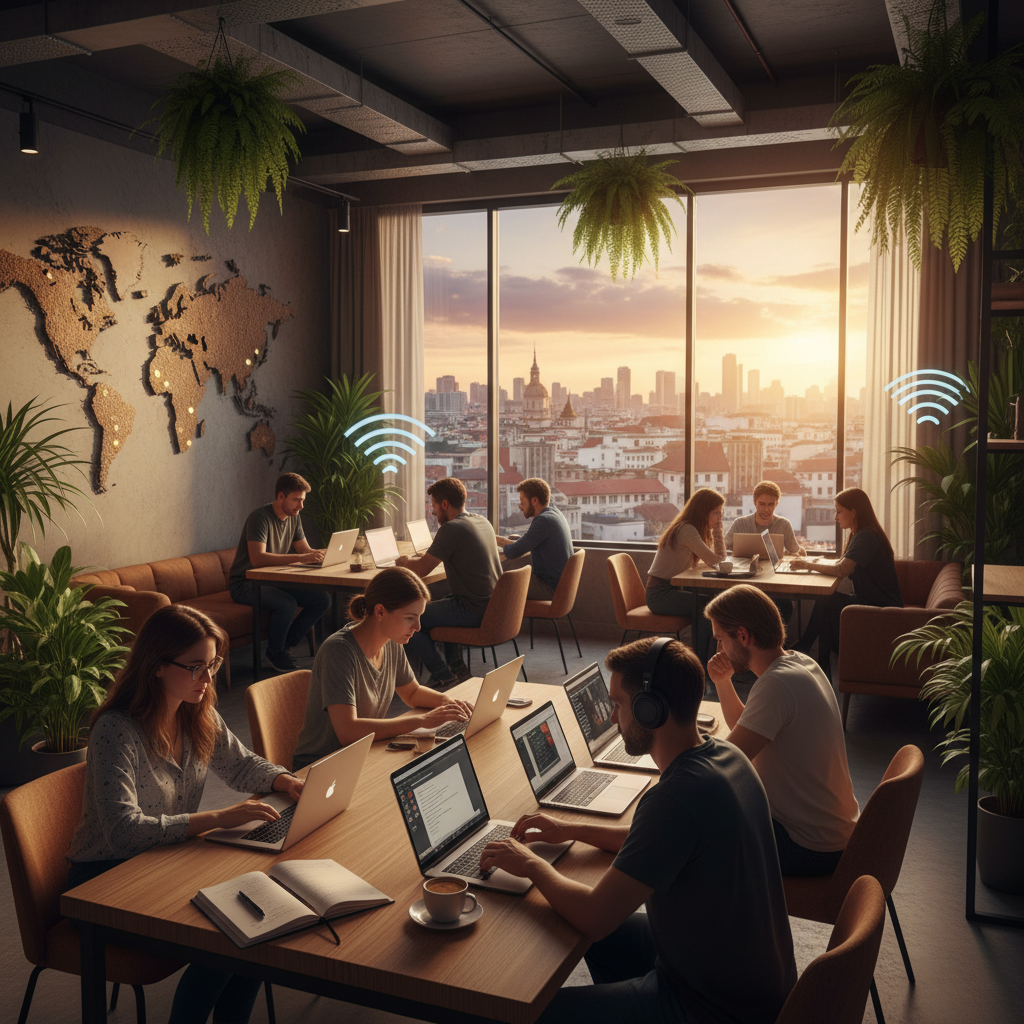
The hum of a shared workspace, the camaraderie of a communal dinner, the effortless transition from productivity to social connection – this is the allure of co-living, a phenomenon that has transcended its niche roots to become a cornerstone of the modern digital nomad lifestyle by 2026. For those of us who have swapped cubicles for cafes and office politics for ocean views, the evolution of 'work from anywhere' has brought with it a profound shift in how and where we choose to live. Gone are the days when a solo apartment or a transient hostel bed were the only options. Today, co-living spaces offer a compelling blend of private comfort, shared amenities, and a built-in community, specifically catering to the unique rhythms of the location independent lifestyle. But with an explosion of options across continents, how do you navigate this vibrant, and sometimes overwhelming, landscape to find your next home away from home?
This guide will cut through the noise, offering an in-depth look at the global co-living scene in 2026. We'll explore the diverse types of spaces, dissect the true costs, highlight what to look for, and share real-world insights to help you make an informed decision. Whether you're a seasoned digital entrepreneur seeking connection or a remote worker on your first international assignment, understanding the nuances of co-living is paramount to a fulfilling and productive journey.
What Defines Co-living in 2026?
At its core, co-living is about intentional community and convenience, meticulously designed for the modern remote professional. It’s more than just shared accommodation; it's a curated living experience that addresses the specific needs of digital nomads, freelancers, and remote employees. In 2026, co-living has diversified substantially from its earlier iterations, moving beyond simply offering a bed and a desk to providing integrated ecosystems that support both work and life balance.
Think of it as a hybrid model: the privacy and comfort of an apartment, the communal spirit and events of a well-run hostel, and the dedicated infrastructure of a coworking space, all rolled into one. The driving force behind its growth is the persistent desire among digital nomads for connection and belonging, counteracting the potential isolation of a perpetually mobile existence. Furthermore, the logistical complexities of finding short-term, fully furnished accommodation in new cities are neatly sidestepped by co-living providers, who often include utilities, internet, cleaning, and sometimes even meals in a single, predictable monthly fee.
The Evolution of Co-living Paradigms
Initially, co-living emerged as a pragmatic solution for young professionals in expensive urban hubs. By 2026, it has splintered into distinct categories, each catering to different preferences and budgets:
- Urban Hub Co-living: Predominantly found in major cities like London, Berlin, New York, and Seoul, these spaces prioritize access to urban amenities, robust internet, and professional networking. They often feature smaller private units with extensive shared facilities: large communal kitchens, gyms, cinema rooms, and dedicated coworking floors. Prices in these locations are typically higher, reflecting the city's cost of living.
- Nomad-Focused Workations/Retreats: These are specifically designed for digital nomads seeking a blend of work and adventure. Imagine a villa in Bali, a beachfront property in Portugal, or a mountain lodge in Colombia, all equipped with high-speed internet, ergonomic workspaces, and often organizing community events, workshops, and excursions. Stays often range from a few weeks to several months and foster deep connections among residents.
- Eco-Conscious & Sustainable Co-living: A growing trend, these spaces integrate sustainable practices, from renewable energy sources and organic farming to waste reduction programs. They often attract nomads aligned with environmental values, seeking to minimize their ecological footprint while working remotely. Locations tend to be more rural or semi-rural, offering a connection to nature.
- Specialty/Niche Co-living: Some spaces cater to very specific interests – think entrepreneurial hubs, artist retreats, health and wellness focused communities with yoga studios and healthy meal plans, or even family-friendly co-living with childcare options. These offer a more tailored experience and a stronger sense of shared purpose among inhabitants.
Co-living Spaces: A Cross-Continental Comparison (2026 Snapshot)
Let's put some numbers to the phenomenon. The cost of co-living is incredibly varied, influenced by location, level of luxury, included amenities, and duration of stay. Here's a comparative look at typical monthly costs for a private room with a shared bathroom in various popular digital nomad destinations around the world, based on 2026 data.
| Location | Typical Monthly Cost (USD) | Key Amenities Often Included | Community Focus | Internet Speed (Avg. Mbps) | Lease Flexibility | Path to Residency Available (DN Visa) |
|---|---|---|---|---|---|---|
| Lisbon, Portugal | $800 - $1,400 | Furnished room, utilities, cleaning, coworking, community events | Strong, active, diverse | 200-500+ | Medium | Yes |
| Medellín, Colombia | $600 - $1,000 | Furnished room, utilities, cleaning, often pool/gym, social events | Vibrant, entrepreneurial, social | 100-300+ | High | Yes |
| Berlin, Germany | $950 - $1,600 | Furnished room, utilities, cleaning, coworking, cultural events | International, creative, intellectual | 250-600+ | Medium | Yes (EU Blue Card/Freelance) |
| Ubud, Bali, Indonesia | $500 - $900 | Furnished room, utilities, cleaning, pool, yoga, wellness programs | Holistic, spiritual, entrepreneurial | 50-150+ | High | Yes |
| Mexico City, Mexico | $700 - $1,200 | Furnished room, utilities, cleaning, rooftop access, cultural outings | Diverse, foodie, artistic | 100-400+ | High | Yes |
| Chiang Mai, Thailand | $400 - $750 | Furnished room, utilities, cleaning, scooter rental avail., events | Budget-friendly, entrepreneurial | 80-200+ | High | Not yet (tourist visa extension only) |
| Dubai, UAE | $1,300 - $2,500 | Luxury furnished, serviced, gym, pool, high-end coworking | Professional, expat, high-net-worth | 500-1000+ | Medium | Yes |
Note: Prices are estimates for a private room in a mid-range co-living space and can vary significantly based on exact location, room size, and included services. Always check current rates directly with providers.
The True Cost of Co-living: Beyond the Sticker Price
While the table above gives a general idea, understanding the 'true cost' requires a deeper dive. Co-living often appears more expensive than signing a standard short-term apartment lease, but it frequently bundles expenses that would otherwise be separate, unpredictable outlays. This all-inclusive model is a significant draw for Digital Nomads who value simplicity and budget predictability.
What's Typically Included?
- Rent for a private room (often with a private or shared bathroom).
- All utilities (electricity, water, gas, heating/cooling).
- High-speed internet (crucial for remote work).
- Furniture (fully furnished private and communal areas).
- Regular cleaning (of common areas, sometimes private rooms).
- Maintenance (repairs, concierge services).
- Coworking facilities (dedicated desks, meeting rooms, sometimes 24/7 access).
- Community events (workshops, social gatherings, excursions).
- Security (24/7 access control, CCTV).
Potential Additional Costs:
- Food: While some premium co-living spaces offer meal plans, most require residents to cook for themselves or eat out. Budget $300-$800 USD per month depending on lifestyle and location.
- Laundry: Self-service laundry facilities are common, but machines may cost $2-$5 USD per load.
- Transportation: Public transport passes or scooter/bike rentals will add to your monthly spend.
- Personal expenses: Health insurance, toiletries, entertainment, visa costs, etc., are always on you.
- Deposit: Expect to pay a security deposit, typically equivalent to one month's rent, refundable upon departure.
- Visa/Immigration fees: Applying for a Digital Nomad Visa can range from $100 to $1,000+, depending on the country. Always factor this in, especially if you're a Bangladeshi citizen navigating specific visa requirements.
A Real-World Example: 'The Oasis' in Lisbon, Portugal (2026)
Consider 'The Oasis', a popular co-living brand with a property in Lisbon's vibrant Alcântara district. In early 2026, a private room with a double bed and en-suite bathroom in their Lisbon location costs approximately €1,100 per month (approx. $1,180 USD, assuming current exchange rates). This price includes:
- Fully furnished private apartment (20 sq m)
- All utilities: electricity, water, gas, unlimited 500 Mbps fiber optic internet
- Weekly cleaning of private and common areas
- Access to two dedicated coworking spaces (one silent, one collaborative)
- A communal kitchen, dining area, and lounge
- Rooftop terrace with city views
- Weekly community dinners, yoga classes, and local excursion sign-ups
- 24/7 security and maintenance staff
When comparing this to renting a studio apartment in Lisbon for €800-€900 plus an additional €150-€200 for utilities, €50 for internet, and potential furnishing costs of several hundred euros, 'The Oasis' presents a compelling, all-in-one value proposition. The added benefit of immediate community and support network, particularly valuable for new arrivals, is an intangible but significant perk.
Choosing Your Co-living Home: Critical Considerations
Selecting the right co-living space is akin to choosing a new neighborhood, but with added layers of social integration and logistical support. Here's what to scrutinize before you commit:
1. Location, Location, Location
Is it close to cultural attractions, public transport, grocery stores, and local cafes? Do you prefer a bustling city center or a quieter, more natural environment? For those focused on a Digital Nomad Lifestyle in a specific region, proximity to relevant coworking spaces (if not integrated into the co-living) or networking events can be crucial.
2. Community Vibe & Demographics
Each co-living space cultivates a distinct culture. Some are lively party hubs, others are tranquil havens for deep work. Research their social events calendar, read reviews, and if possible, speak to current or past residents. Are residents primarily young professionals, entrepreneurs, or a mix of ages? This will significantly impact your experience.
3. Work Infrastructure
This is non-negotiable for remote work. Does the space offer reliable, high-speed internet (verify the actual speeds, not just marketing claims)? Are there dedicated, ergonomic workspaces – silent zones, meeting rooms, standing desks? Can you connect multiple monitors? Bangladesh digital nomads, often reliant on stable internet for client communication, should prioritize this aspect. Ask about backup internet solutions or power generators, especially in areas prone to outages.
4. Lease Flexibility & Notice Periods
Digital nomads thrive on flexibility. Most co-living spaces offer monthly rolling contracts, but some require longer commitments (3-6 months) for better rates. Understand their cancellation policy and notice periods to avoid unexpected costs or being tied down.
5. Amenities & Services
Beyond the basics, what extras enhance your stay? A gym, swimming pool, rooftop terrace, communal kitchen, laundry facilities, bike storage, or even a restaurant/cafe on-site can elevate your experience significantly. Look for responsive management and cleaning services that maintain high standards.
6. Security
Ensure adequate security measures are in place, including secure entry, CCTV, and staff presence, especially if you travel with valuable equipment. This is a vital consideration for anyone, but particularly important for solo female travelers or those from regions like Bangladesh, where safety can be a primary concern when abroad.
The Digital Nomad Advantage: Why Co-living Works
For the Digital Nomad, co-living directly addresses many of the inherent challenges of this work from anywhere model:
- Instant Community: Combats loneliness and isolation, providing a built-in social circle for networking, collaboration, and cultural exchange.
- Simplified Logistics: One bill for everything, no dealing with utility providers, landlords, or furnishing apartments. This frees up invaluable time and mental energy for your remote career.
- Productive Environment: Dedicated workspaces, high-speed internet, and a culture of focused work minimize distractions and boost productivity for online business owners and remote employees.
- Cost-Effectiveness (Long Term): When you factor in all included amenities, services, and the opportunity to save on separate coworking memberships, co-living can be highly competitive and often more budget-friendly than traditional rentals.
- Exploration Made Easy: Many co-living brands have multiple locations, making transitions between cities or countries seamless. They often offer local insights and organized activities, helping you integrate faster into a new locale.
- Networking Opportunities: Living alongside like-minded professionals fosters organic networking, leading to potential collaborations, mentorship, and new friendships.
For Bangladeshi Passport Holders: Navigating the Global Co-living Scene
For Bangladeshi digital nomads and remote workers, venturing into the global co-living landscape comes with particular considerations, especially regarding visa requirements. While the co-living space itself handles the accommodation, securing the correct visa for your chosen country is paramount. As of 2026, several countries offer Digital Nomad visas that are accessible to Bangladeshi citizens, provided they meet the income and remote employment criteria.
When applying for a Digital Nomad Visa, co-living addresses a significant hurdle: proof of accommodation. Many visa applications require documented proof of a living arrangement for at least a portion of your stay. A confirmed booking with a reputable co-living space, along with a rental agreement, can serve as strong evidence. However, always ensure the co-living provider is an officially recognized establishment and can provide the necessary documentation that satisfies immigration authorities.
Furthermore, the community aspect can be particularly appealing. Moving to a new country, especially as a solo traveler, can be daunting. Co-living offers an immediate support network, local insights, and a sense of belonging, which can significantly ease the transition. This is especially true in regions where cultural differences might be more pronounced for someone from Bangladesh.
Key considerations for Bangladeshi citizens:
- Visa Requirements: Thoroughly research the Digital Nomad Visa requirements for your target country. Many require proof of stable income (e.g., $2,500-$4,000 USD per month) and health insurance.
- Proof of Accommodation: Confirm with the co-living space that they can provide an official rental contract or booking confirmation suitable for visa applications.
- Financial Documentation: Be prepared to show bank statements proving sufficient funds and consistent income from your remote career or freelancing endeavors.
- Cultural Integration: While co-living fosters diversity, be mindful of cultural norms and etiquette in your chosen country and within the co-living community.
- Internet Reliability: As mentioned, robust internet is vital. In some regions, internet infrastructure can be less developed than in Dhaka, so always verify speeds and backup options.
Frequently Asked Questions About Co-living in 2026
Q: What is co-living?
A: Co-living refers to shared housing solutions that combine private living spaces with extensive communal amenities and a focus on community building, specifically designed for a digital lifestyle and remote work.
Q: Is co-living more expensive than renting a traditional apartment?
A: Not necessarily. While the headline price may seem higher, co-living bundles utilities, internet, cleaning, furnishing, and often coworking access, making it cost-effective and predictable compared to separate outlays for a traditional rental.
Q: How long can I stay in a co-living space?
A: Stays typically range from one month to several months, with some offering weekly options or long-term leases of a year or more. Most cater to the flexible nature of the digital nomad lifestyle, ensuring easy transition for those working from anywhere.
Q: What kind of people live in co-living spaces?
A: The demographic is diverse but generally comprises digital nomads, remote workers, freelancers, entrepreneurs, and students, typically aged 25-40, seeking community, convenience, and a productive environment.
Q: Do co-living spaces offer good internet for remote work?
A: Yes, high-speed, reliable internet is a primary feature of reputable co-living spaces, often with redundancies in place to ensure uninterrupted connectivity crucial for remote jobs and online business operations. Always verify specific speeds.
Q: Can I bring my pets to a co-living space?
A: Pet policies vary widely. Some co-living spaces are pet-friendly, usually for a small additional fee or deposit, while others have strict no-pet rules. Always confirm directly with the specific location.
Q: What should I look for in a co-living contract?
A: Pay close attention to the monthly fees, included amenities, lease duration minimums, cancellation policy, notice periods, security deposit terms, and any house rules regarding guests or communal area usage.
Sources
- Coliving.com - Global Co-living Trends Report 2025-2026
- Nomad List - Cost of Living and Co-living Data (2026 Projections)
- PwC - Future of Work: Remote Models and Accommodation Preferences (2025 Study)
- Various co-living operator websites (e.g., The Collective, Selina, Outpost, Sun & Co) - Pricing and amenity details (checked Q1 2026)
- Official immigration websites of Portugal, Colombia, Germany, Mexico, UAE - Digital Nomad Visa requirements (as of Q1 2026)
Compare with: Digital Nomad Bangladesh, Coworking Spaces, Location Independent Lifestyle
Interested in applying?
Tell us a bit about yourself and we'll send tailored guidance on eligibility, paperwork, and next steps.