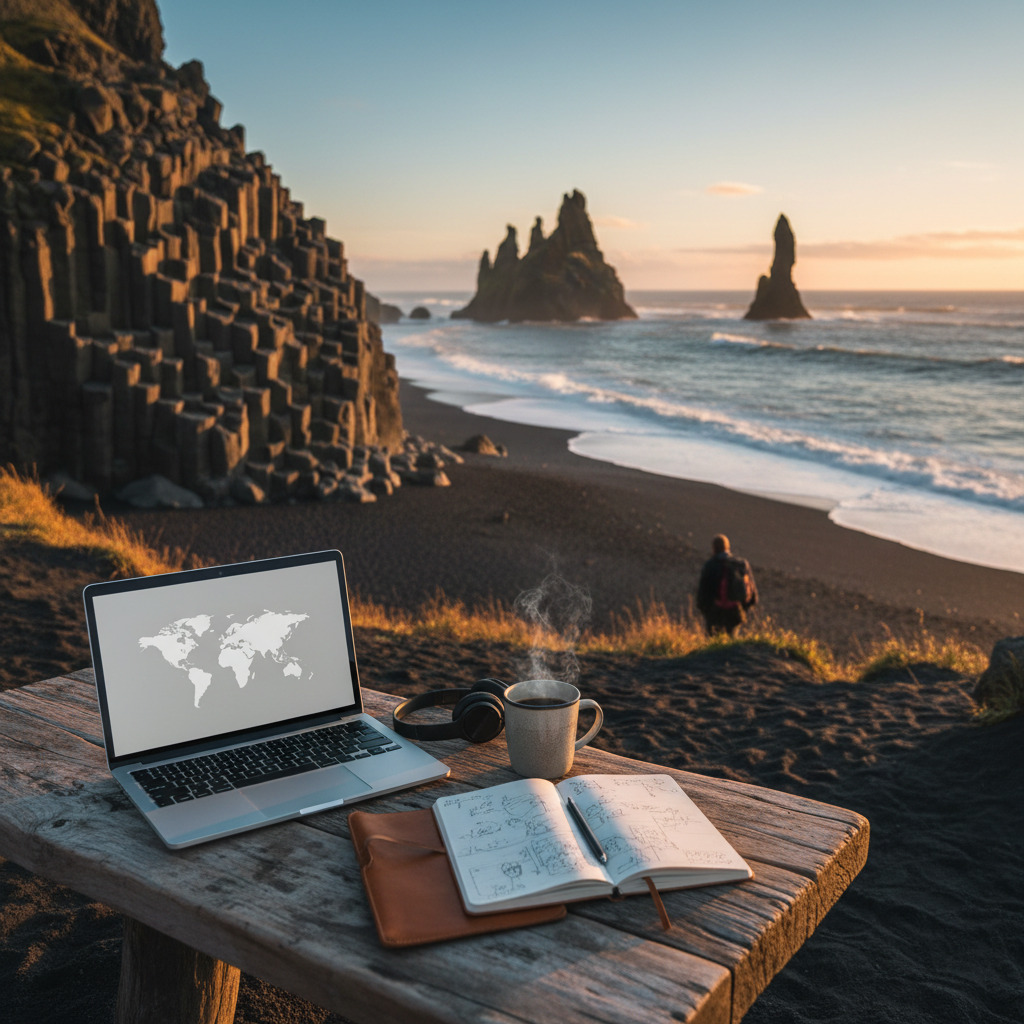
Beyond the Buffer: Your 2026 Guide to Digital Nomad Havens for Flawless Video Calls
For digital nomads, a dropped video call isn't just an inconvenience – it's a potential career setback. This 2026 guide dives deep into the destinations offering superior internet infrastructure, ensuring your remote work, client meetings, and family chats are consistently seamless.
September 4, 2026
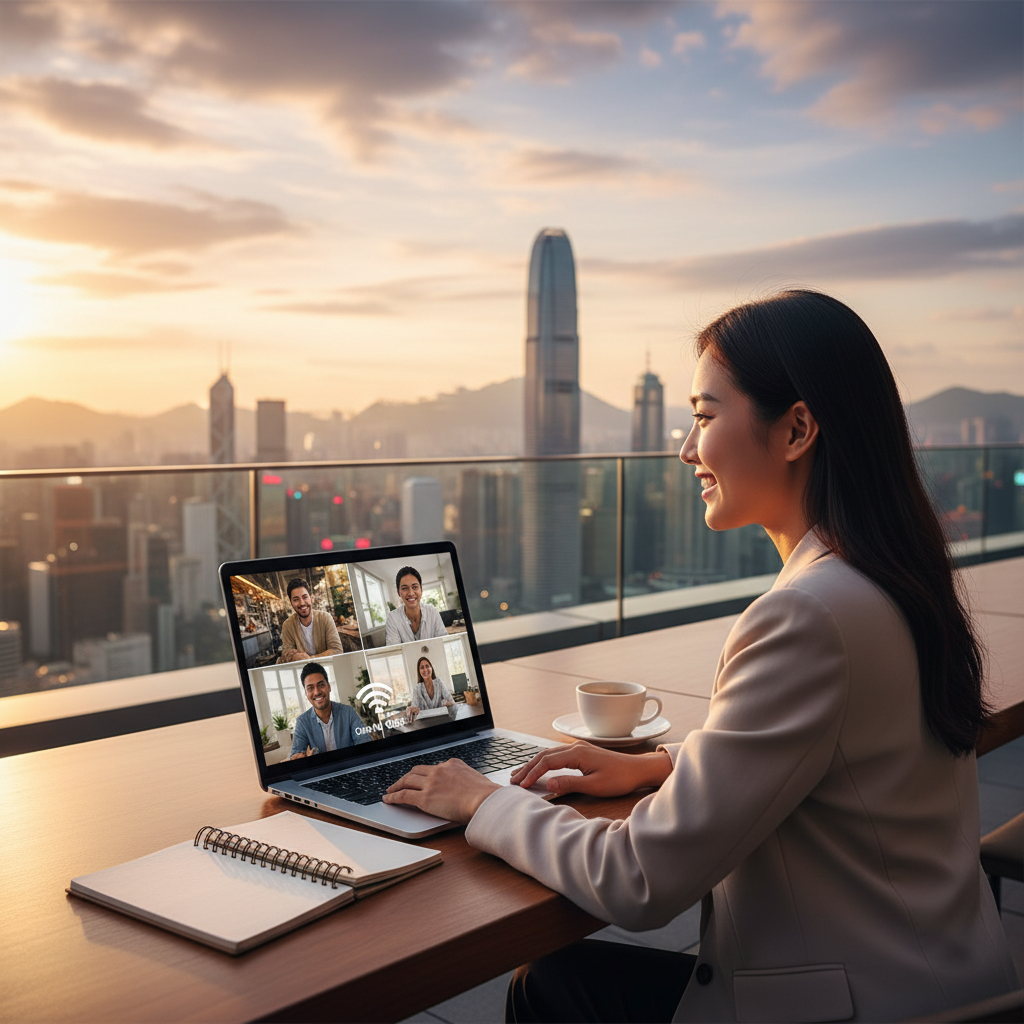
Beyond the Buffer: Your 2026 Guide to Digital Nomad Havens for Flawless Video Calls
In the dynamic world of digital nomad lifestyle, where your office is wherever your laptop opens, one constant threat looms: the dreaded buffering wheel during a crucial video call. It's more than just an annoyance; it's a direct assault on your professionalism, productivity, and peace of mind. As we navigate 2026, the demand for seamless communication has never been higher, making internet reliability a top-tier criterion for any remote worker choosing their next base. This isn't just about fast speeds; it's about stability, low latency, and robust infrastructure that can withstand peak usage and unexpected demands.
Imagine pitching a dream client, collaborating with a global team, or simply catching up with loved ones, only to be met with frozen screens, choppy audio, or outright disconnections. For the modern digital entrepreneurship and remote work professional, this is unacceptable. This comprehensive guide cuts through the noise, providing data-driven insights into the destinations that truly empower uninterrupted work from anywhere, ensuring your virtual presence is as solid as your in-person one.
The Unseen Infrastructure: Why Internet Reliability Matters More Than Ever
The shift towards a truly location independent lifestyle has amplified the importance of robust internet infrastructure. It's no longer a luxury but a fundamental utility, akin to electricity and water. For digital nomads, especially those engaged in roles requiring constant video conferencing – project managers, developers, consultants, online educators, or content creators – a stable connection is the bedrock of their livelihood. A destination might boast stunning beaches or vibrant culture, but if its internet crumbles under the weight of a 9 AM Zoom call, its appeal quickly diminishes.
Many countries are actively investing in digital infrastructure to attract the lucrative digital nomad market. This involves expanding fiber optic networks, improving 5G coverage, and fostering competitive ISP markets. Understanding these underlying factors is key to choosing a location where your digital nomad jobs are never jeopardized by technical glitches.
The Metric That Matters: Understanding Latency and Jitter
When we talk about internet reliability for video calls, raw download speed (Mbps) is only part of the equation. Two often-overlooked metrics are paramount:
- Latency (Ping): This measures the time it takes for a data packet to travel from your device to a server and back, measured in milliseconds (ms). For video calls, lower latency is critical. Anything above 50ms can introduce noticeable delays, making conversations feel unnatural. Below 20ms is ideal.
- Jitter: This is the variation in latency. High jitter means that data packets arrive at inconsistent intervals, leading to choppy audio and video, even if your average latency appears acceptable. A consistent, low jitter (ideally below 10ms) is essential for smooth real-time communication.
These metrics, combined with consistent upload speeds (often overlooked but vital for sending your video feed), paint a true picture of a network's video conferencing capability.
Top Digital Nomad Havens for Uninterrupted Video Calls in 2026
Based on recent infrastructure investments, user reports, and network performance data, several countries consistently stand out in 2026 for their exceptional internet reliability, making them prime choices for digital nomad travel.
1. South Korea: The Unrivaled Connectivity King
South Korea continues to lead the pack with its hyper-advanced digital infrastructure. Cities like Seoul boast some of the fastest average internet speeds globally, coupled with incredibly low latency and widespread 5G coverage that often rivals fixed-line connections elsewhere. The government's continuous investment in next-generation networks ensures that remote workers experience virtually no interruptions.
- Average Download Speed (Fixed Broadband): ~200-250 Mbps
- Average Upload Speed (Fixed Broadband): ~150-200 Mbps
- Average Latency: 5-15 ms
- 5G Coverage: Near ubiquitous in urban areas, expanding rapidly.
- Cost of Internet: Relatively affordable for the quality, starting from $30-50/month for high-speed fiber.
2. Singapore: Island Nation, Global Connectivity Hub
Singapore, a global financial and technological hub, mirrors its economic prowess in its digital infrastructure. Its compact size allows for dense fiber optic deployment, leading to consistent high speeds and ultra-low latency across the entire island. It's a prime example of urban planning prioritizing digital connectivity.
- Average Download Speed (Fixed Broadband): ~200-220 Mbps
- Average Upload Speed (Fixed Broadband): ~150-180 Mbps
- Average Latency: 8-18 ms
- 5G Coverage: Excellent, almost full island coverage.
- Cost of Internet: $35-60/month for premium fiber plans.
3. Switzerland: Alpine Reliability, Digital Precision
Switzerland might be known for its mountains, but its internet infrastructure is equally robust. With a strong emphasis on quality and reliability, Swiss ISPs deliver consistent performance, even in more remote towns. Their commitment to fiber-to-the-home (FTTH) deployment ensures a premium experience for every user.
- Average Download Speed (Fixed Broadband): ~180-210 Mbps
- Average Upload Speed (Fixed Broadband): ~100-150 Mbps
- Average Latency: 10-20 ms
- 5G Coverage: Strong in urban centers, rapidly expanding to rural areas.
- Cost of Internet: Higher than average, $50-80/month, reflecting the premium service.
4. Spain: Mediterranean Charm Meets Modern Connectivity
Spain has made remarkable strides in its digital infrastructure over the past decade. Its extensive fiber optic network, particularly in major cities like Madrid, Barcelona, Valencia, and Seville, provides excellent speeds and low latency, making it a top choice for digital nomads. Even smaller towns often have surprisingly good connectivity.
- Average Download Speed (Fixed Broadband): ~150-180 Mbps
- Average Upload Speed (Fixed Broadband): ~80-120 Mbps
- Average Latency: 15-25 ms
- 5G Coverage: Very good in cities, expanding. Rural areas can be spotty.
- Cost of Internet: Very competitive, often bundled with mobile plans, starting around $30-50/month.
5. Estonia: The Digital Republic's Backbone
As a pioneer in e-governance and digital citizenship, it's no surprise that Estonia boasts excellent internet infrastructure. Its commitment to digitalization extends to providing reliable, high-speed internet across the country, supporting its thriving tech and digital entrepreneurship scene.
- Average Download Speed (Fixed Broadband): ~120-160 Mbps
- Average Upload Speed (Fixed Broadband): ~60-100 Mbps
- Average Latency: 15-25 ms
- 5G Coverage: Good in major cities like Tallinn and Tartu.
- Cost of Internet: Affordable, $25-45/month.
Comparative Overview: Connectivity Hotspots 2026
To provide a clearer picture, here's a comparative table highlighting key internet metrics for our top picks, alongside a common benchmark for context. These figures are averages and can vary by specific provider and location within the country.
| Country | Avg. Download (Mbps) | Avg. Upload (Mbps) | Avg. Latency (ms) | 5G Coverage (Urban) | Monthly Cost Est. (USD) | Notes |
|---|---|---|---|---|---|---|
| South Korea | 220 | 180 | 10 | Excellent | $40 | Unmatched speed & reliability |
| Singapore | 210 | 160 | 12 | Excellent | $45 | Dense fiber, consistent performance |
| Switzerland | 195 | 120 | 15 | Strong | $65 | High quality, higher price |
| Spain | 165 | 100 | 20 | Good | $40 | Excellent value, extensive fiber |
| Estonia | 140 | 80 | 20 | Good | $35 | Digital-first nation, reliable |
| USA (Benchmark) | 120 | 30 | 35 | Varied | $60 | Highly variable by region and provider |
Data as of early 2026, subject to regional variations and ISP plans.
Optimizing Your Setup: Beyond the Destination
While choosing a country with superior infrastructure is crucial, your personal setup also plays a significant role in ensuring flawless video calls. Even in a connectivity haven, a poor local setup can create bottlenecks.
Essential Digital Nomad Tools for Connectivity:
- High-Quality Router: Upgrade from the basic ISP-provided router if possible. Look for Wi-Fi 6 (802.11ax) or Wi-Fi 6E for better performance and less interference.
- Ethernet Cable: When possible, use a wired Ethernet connection. It eliminates Wi-Fi interference and provides the most stable connection with the lowest latency.
- Reliable VPN: If you use a VPN, ensure it's a premium service with servers close to your location and your call participants. A poor VPN can introduce significant latency.
- Dedicated Mobile Hotspot: A 5G mobile hotspot can be an excellent backup or primary internet source, especially in countries with robust 5G infrastructure. Research local SIM card plans for data allowances.
- Quality Webcam and Microphone: While not directly internet-related, good audio and video quality significantly improve the overall video call experience for everyone involved, reducing the perceived impact of minor network fluctuations.
The Coworking Spaces Advantage
Coworking spaces often invest in business-grade internet connections, offering redundancy and higher bandwidth than typical residential connections. They can be an excellent option for critical calls, providing a stable environment with dedicated IT support if needed. Many spaces also offer private call booths, minimizing background noise and distractions.
Case Study: Maria's Move to Valencia, Spain
Maria, a freelance UI/UX designer from Bangladesh, struggled with inconsistent internet in her previous location, leading to frustrating client calls and missed deadlines.
Interested in applying?
Tell us a bit about yourself and we'll send tailored guidance on eligibility, paperwork, and next steps.