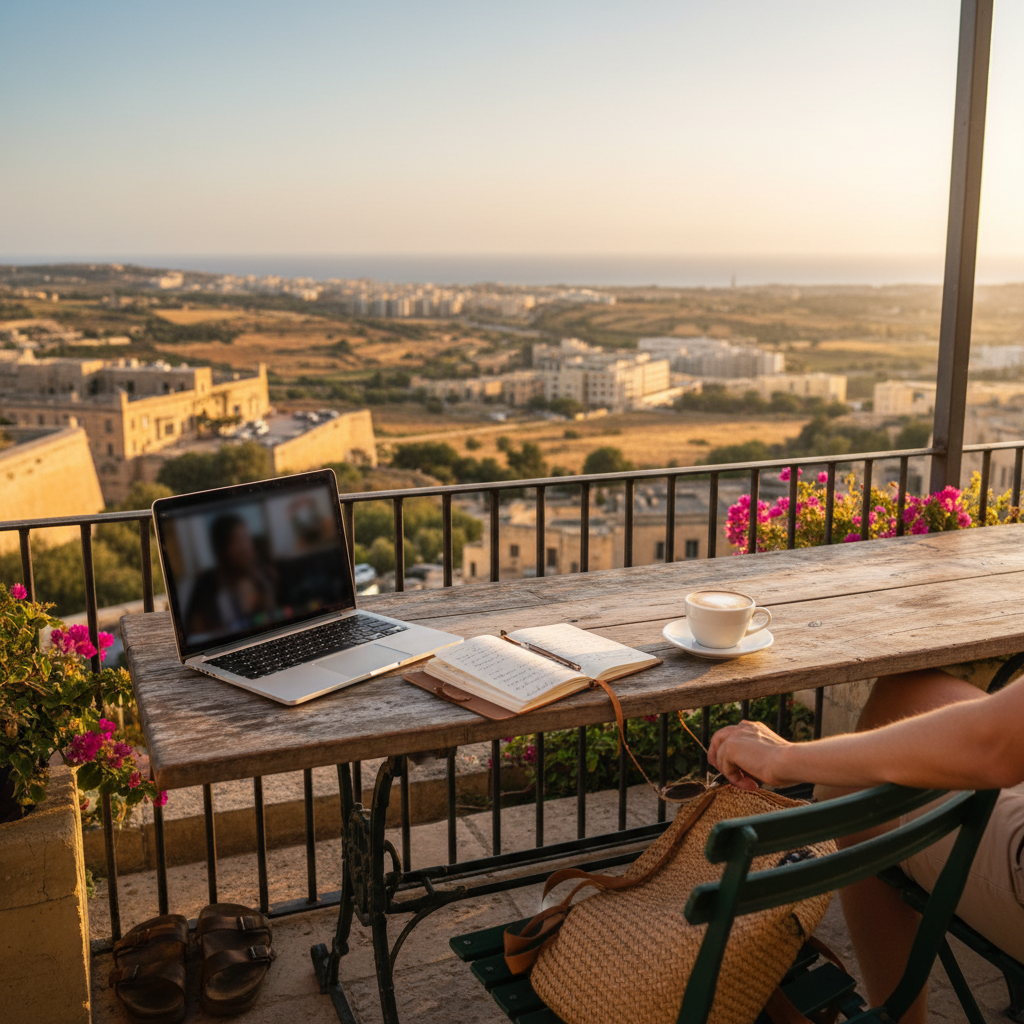
Co-living Spaces Around the World: A 2026 Guide for Digital Nomads
Exploring the 2026 landscape of co-living spaces for digital nomads, offering practical guidance, real-world examples, and key considerations for choosing your next communal home.
May 25, 2026

Overview
Welcome to 2026, where the concept of co-living has evolved from a niche housing trend to a cornerstone of the digital nomad lifestyle. As remote work becomes increasingly prevalent and people seek both flexibility and connection, co-living spaces have matured, offering a diverse range of options from urban hubs to serene natural retreats. For digital nomads, these spaces aren't just about sharing a roof; they're about plug-and-play living, built-in communities, and environments conducive to both work and exploration. This guide dives into the current state of co-living, offering practical advice for choosing the right space, understanding what to expect, and navigating the global co-living landscape in 2026.
Co-living, in essence, provides furnished private bedrooms within a shared living space, often including common areas like kitchens, lounges, workspaces, and sometimes even gyms or pools. The key differentiator from traditional flat-sharing is the emphasis on community, often curated activities, and an all-inclusive pricing model that bundles utilities, internet, and sometimes even cleaning services. For digital nomads, this means less time managing logistics and more time focusing on work, personal growth, and experiencing new cultures.
Over the past few years, we've seen a shift from basic, budget-friendly options to more premium, design-conscious spaces, as well as a greater specialization in terms of niche communities (e.g., specific age groups, professional backgrounds, or interest groups). The flexibility to stay for weeks or months, combined with a ready-made social circle, makes co-living an attractive proposition for those constantly on the move.
Who Qualifies
Co-living spaces are designed for a broad spectrum of individuals, but they particularly cater to:
- Digital Nomads: Individuals who can work remotely and travel frequently, seeking flexible accommodation and community.
- Remote Workers: Those employed by companies that permit work from home, looking for a temporary change of scenery or a structured environment outside their traditional home.
- Freelancers & Entrepreneurs: Individuals building their own ventures, who benefit from networking opportunities and a supportive environment.
- Students (Post-Graduate/Exchange): Especially those on short-term programs seeking fully furnished, community-oriented housing.
- Expats & Relocators: People moving to a new city for the first time, who want to establish a social network and understand the local area before committing to a long-term lease.
- Anyone Seeking Community: Individuals who prioritize social interaction, shared experiences, and a sense of belonging over traditional independent living.
While there are no strict 'qualifications' in the traditional sense like visa requirements, co-living operators often have internal criteria:
- Age Restrictions: Some spaces are 18+, while others might target specific age demographics (e.g., 25-45).
- Background Checks: Standard practice for safety and security.
- Interview/Application Process: To gauge compatibility with the community vibe and ensure a good fit. This might involve a simple questionnaire or a brief video call.
- Proof of Income/Funds: To ensure the applicant can afford the stay.
It's important to research the specific requirements of each co-living brand or property, as they can vary significantly.
Requirements
Unlike immigration processes, co-living doesn't have 'official' government requirements. However, operators will have their own set of prerequisites for booking and staying. These typically include:
- Valid Identification: Passport or national ID card.
- Proof of Income or Funds: Bank statements, employment letters, or freelance contracts to demonstrate financial capability.
- Completed Application Form: Providing personal details, reasons for choosing co-living, and potentially a brief description of your work/interests.
- Signed Agreement/Contract: Detailing terms of stay, house rules, payment schedule, and cancellation policies.
- Payment: Typically an initial deposit (refundable) and the first month's rent upfront. Some platforms might ask for the full payment upfront for shorter stays.
- Travel Insurance (Recommended): While not always a requirement from co-living operators, it's highly recommended for digital nomads to cover medical emergencies, trip cancellations, or personal belongings.
- Visa (if applicable): While co-living spaces don't issue visas, you will need to ensure you have the appropriate visa for the country you plan to stay in, especially for longer durations. A tourist visa might suffice for short stays, but for extended periods, check digital nomad visas or other long-stay options.
Typical documents you might need:
| Document Type | Purpose | Where to Obtain |
|---|---|---|
| Passport/National ID | Identity verification | Government issuance agency |
| Proof of Funds | Financial solvency | Bank, Employer, Investment statements |
| Letter of Employment | Verification of remote work | Employer (if applicable) |
| Travel Insurance Policy | Health & travel safety (recommended) | Private insurance providers |
| Visa (if applicable) | Legal right to enter/stay in the country | Country's consulate/embassy |
Application Process
The application process for co-living is generally straightforward and designed to be quick for digital nomads. Here's a typical step-by-step guide:
- Research & Selection: Use platforms like Co-living.com, Nomadlist, or directly visit brand websites (e.g., Selina, Outpost, Sun & Co.) to find suitable locations and spaces. Consider factors like budget, location, amenities, community vibe, and reviews.
- Inquiry/Availability Check: Once you've identified a few options, submit an inquiry through their website or platform. This usually involves specifying your desired move-in/move-out dates and room preference.
- Application Form: You'll typically be asked to fill out an online application form. This will cover personal details, professional background, and sometimes questions about your interests and expectations from co-living. Some might require a short video introduction. This step helps the community manager determine if you're a good fit for their existing residents.
- Interview (Optional but Common): For some curated co-living spaces, a brief video call with a community manager or property representative might be required. This is an opportunity for both parties to ask questions and ensure alignment.
- Offer & Agreement: If your application is accepted, you'll receive an offer outlining the room type, dates, pricing, and all terms and conditions. Review this carefully.
- Payment & Deposit: To confirm your booking, you'll typically be required to pay a security deposit (refundable upon departure, assuming no damages) and the first month's rent (or full payment for shorter stays).
- Welcome Pack & Onboarding: Prior to arrival, you'll usually receive a welcome pack with details about check-in, house rules, local area information, and how to connect with the community.
- Arrival & Integration: Upon arrival, you'll be shown your room and common areas, and often introduced to other residents and the community manager. Many spaces facilitate initial social events to help new members integrate.
The entire process, from inquiry to confirmed booking, can range from a few days to a couple of weeks, depending on the demand and the specific co-living operator.
Costs & Duration
Co-living costs are highly variable, influenced by location, amenities, room type, and brand prestige. What you gain in convenience and community, you might pay a premium for compared to independent apartment rentals, especially for short stays. However, for a digital nomad, the all-inclusive nature often balances this out.
Typical Cost Breakdown (Monthly, USD, as of 2026):
| Item | Budget Co-living (e.g., SE Asia, Eastern Europe) | Mid-Range Co-living (e.g., Southern Europe, Latin America) | Premium Co-living (e.g., Western Europe, Major US Cities) |
|---|---|---|---|
| Private Room | $300 - $700 | $700 - $1,500 | $1,500 - $3,000+ |
| Utilities (included) | Yes | Yes | Yes |
| High-Speed Internet | Yes | Yes | Yes |
| Coworking Space Access | Often | Always | Always |
| Community Events | Basic (e.g., movie nights) | Regular (e.g., workshops, excursions) | Extensive (e.g., wellness, professional development) |
| Cleaning | Weekly for common areas | Bi-weekly for rooms, weekly for common | Weekly for rooms & common areas |
| Amenities (Gym, Pool) | Rare | Sometimes | Often |
| Total Per Month | $300 - $700 | $700 - $1,500 | $1,500 - $3,000+ |
Duration:
Most co-living spaces offer flexible durations, catering to the nomadic lifestyle:
- Short-term: From a few nights to a few weeks. These often have a higher daily rate.
- Medium-term: 1-3 months. Popular for digital nomads exploring a new city or country.
- Long-term: 3 months to over a year. Often come with discounted monthly rates, aiming for stability.
Many spaces encourage longer stays because it fosters a more stable and connected community. Always inquire about minimum stay requirements and potential discounts for extended bookings.
Taxes
This is a crucial area for digital nomads in co-living spaces. Co-living itself doesn't have specific tax implications beyond being an expense for accommodation. The core tax considerations revolve around your tax residency and income source.
- Tax Residency: Your tax residency is determined by where you spend the majority of your time and/or establish significant ties. Spending significant time in a co-living space in a foreign country could, in theory, make you a tax resident of that country, even if you don't intend it. It's vital to track your days in each country.
- Income Tax:
- Source Country Taxation: Some countries tax income earned while physically present within their borders, regardless of where your employer or clients are located. This is highly country-specific.
- Digital Nomad Visas: Countries offering digital nomad visas often clarify tax obligations. Some offer temporary tax exemptions or reduced rates for nomads for a certain period, while others require you to pay local income tax if you meet residency triggers.
- Double Taxation Treaties: These agreements between countries prevent individuals from being taxed twice on the same income. Understanding if your home country has a treaty with the country you are co-living in is crucial.
- Local Tourist/Accommodation Taxes: Some cities or regions impose tourist or accommodation taxes on short-term stays. These are usually included in the co-living price or added as a small daily charge.
General Advice:
- Consult a Tax Professional: This is not financial or tax advice. Always consult with an international tax advisor who specializes in digital nomad taxation. They can help you understand your obligations in both your home country and any host countries.
- Track Your Movement: Keep meticulous records of your entry and exit dates for every country.
- Understand Visa Tax Implications: If using a digital nomad visa, thoroughly understand its specific tax clauses.
Co-living operators typically do not offer tax advice, as their service is primarily accommodation and community.
Pros & Cons
Co-living offers a unique blend of benefits and drawbacks for digital nomads.
Pros:
- Built-in Community: The most significant advantage. Instant social network, reducing loneliness and fostering connections.
- Networking Opportunities: Often attracts like-minded professionals, leading to collaborations, mentorship, and friendships.
- Convenience & Simplicity: Fully furnished, all utilities included, often with cleaning and amenities. No need to set up internet, electricity, or buy furniture.
- Flexibility: Short-term leases make it ideal for nomadic lifestyles, allowing quick relocation.
- Cost-Effectiveness (Compared to Hotels/Short-Term Rentals): Often cheaper than a hotel or Airbnb for extended stays, especially when considering included utilities and coworking access.
- Dedicated Workspaces: Many co-living spaces integrate coworking areas, offering a professional environment away from your private room.
- Local Immersion: Community managers and longer-term residents can provide insights into local culture and hidden gems.
- Safety & Security: Often in well-maintained buildings with security features.
- Variety of Experiences: From bustling city centers to tranquil natural settings, there's a co-living space for every preference.
Cons:
- Less Privacy: While you have a private room, common areas are shared, which might not suit everyone.
- Potential for Conflict: Living with others can lead to disagreements over cleanliness, noise, or shared resources.
- Cost (Compared to Long-term Rentals): Can be more expensive than signing a traditional long-term lease on an unfurnished apartment.
- Varying Community Quality: The 'vibe' can differ greatly. A bad fit with housemates can negatively impact the experience.
- Noise Levels: Depending on the setup and housemates, noise can be an issue, especially in open-plan or high-traffic common areas.
- Limited Personalization: Rooms are furnished, offering little scope for personal decoration.
- Rules & Restrictions: Co-living spaces usually have house rules regarding guests, quiet hours, and cleanliness that might feel restrictive.
- Lack of Local Integration (sometimes): While some spaces encourage local interaction, others can become an 'expat bubble,' limiting deep cultural immersion if not actively sought out.
- Availability: Popular spaces can book out quickly, especially in peak seasons.
FAQ
Q: Is co-living only for young people? A: Not at all! While traditionally seen as a younger demographic trend, co-living is increasingly attracting individuals of all ages, including professionals in their 30s, 40s, and even retirees seeking community and convenience. Some spaces specifically cater to older demographics or mixed-age groups.
Q: How do I ensure I'll get along with my housemates? A: Many co-living operators use an application process that includes questions about your lifestyle, interests, and expectations to help match you with suitable communities. Reading reviews and asking about the typical resident profile during your inquiry can also help. Some platforms offer virtual tours or introductions to current residents.
Q: What's the difference between co-living and a hostel? A: The primary difference is privacy and duration. Co-living offers private bedrooms (though some budget options might have shared dorm-like arrangements, these are less common for dedicated digital nomad co-living). Hostels are typically dorm-style, with a focus on very short-term, budget travel. Co-living also emphasizes a more stable community, dedicated workspaces, and often higher quality amenities and services.
Q: Can I bring pets to a co-living space? A: Most co-living spaces have a strict no-pet policy due to potential allergies, noise, and damage. However, a growing number of pet-friendly co-living options are emerging in response to demand. Always check the specific property's pet policy beforehand.
Q: What if I don't like the community or the space? A: Most co-living agreements have a minimum stay. If you're unhappy, you might be able to leave early, though you may forfeit your deposit or be liable for a portion of the remaining rent, depending on the contract. It's crucial to thoroughly research and ask questions before booking, and perhaps opt for a shorter initial stay to test the waters if uncertainty exists.
Q: Do co-living spaces provide food? A: Generally, no. Most co-living spaces provide fully equipped shared kitchens for residents to prepare their own meals. Some premium spaces might offer occasional communal dinners, breakfast add-ons, or have cafes/restaurants on-site, but this is not standard.
Q: How important is location for co-living? A: Very important. A good location means proximity to public transport, grocery stores, cafes, restaurants, parks, and other attractions. Consider your personal preferences: do you want to be in the bustling city center or a quieter, more residential area? Ask about the neighborhood during your inquiry.
Q: What kind of events do co-living spaces typically organize? A: This varies widely. Common events include weekly communal dinners, movie nights, yoga sessions, workshops (e.g., skill-sharing, language exchange), hiking trips, cultural excursions, and networking mixers. Some spaces have dedicated community managers whose role is to organize and facilitate these activities.
Sources
- Consult the country's official immigration website for specific visa types, requirements, and tax implications related to long-term stays or digital nomad visas.
- Co-living.com: A platform for finding co-living spaces globally, offering listings and filters (though be aware that specific availability and pricing will be on the operators' direct sites).
- Nomadlist.com: While not exclusively co-living, this platform often lists co-living options and provides valuable insights into cities' living costs, nomad communities, and internet speeds.
- Digital Nomad World (digitalnomadworld.com): An online community and resource hub that frequently discusses co-living trends and reviews.
- Specific Co-living Brand Websites: Always refer directly to the websites of major co-living brands (e.g., Selina, Outpost, Sun & Co., The Collective, Habyt) for the most accurate and up-to-date information on their properties, availability, and specific guidelines.
- Reputable Travel Blogs & Forums: Search for recent reviews and experiences from other digital nomads on platforms like Reddit's r/digitalnomad or popular nomad blogs. Ensure the information is current for 2026.
Note: The information provided here is for general guidance as of 2026. Specific requirements, costs, and availability can change. Always verify details directly with co-living operators and relevant government authorities for the most accurate advice.
Interested in applying?
Tell us a bit about yourself and we'll send tailored guidance on eligibility, paperwork, and next steps.