The Ultimate 2026 Digital Nomad Guide to Namibia: Beyond the Dunes
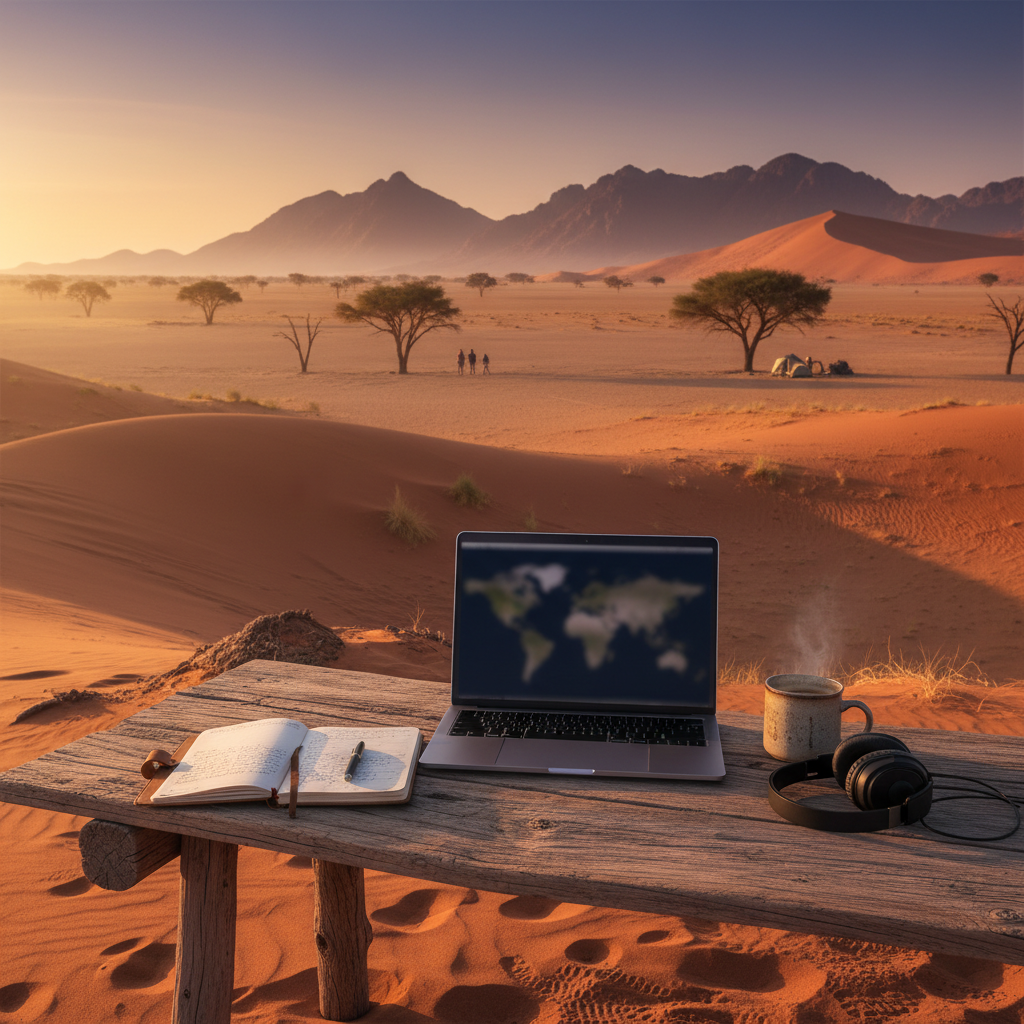
Namibia, a land of stark beauty, colossal sand dunes meeting the Atlantic, and abundant wildlife, has officially opened its doors to long-term remote workers with a dedicated Digital Nomad Visa (Remote Work Visa). In a world increasingly seeking unique and untamed destinations, Namibia offers an unparalleled blend of adventure, tranquility, and a strikingly different kind of African experience. This guide will walk you through everything you need to know to make Namibia your next remote work destination in 2026.
Why Namibia for Digital Nomads
Namibia is not your typical digital nomad hotspot, and that's precisely its charm. For those craving an escape from the urban grind, a deep connection with nature, and a vibrant cultural tapestry, Namibia delivers in spades. The country boasts political stability, a relatively low crime rate compared to some African nations, and a well-developed tourism infrastructure, making it surprisingly accessible for foreign visitors.
Imagine starting your day with a quick run or hike, followed by productive work hours, and then unwinding with a sundowner overlooking a vast savanna or crashing waves. Wildlife encounters are commonplace, whether it's an impromptu sighting of warthogs in Windhoek suburbs or a dedicated weekend safari to Etosha National Park. The English language is widely spoken, official currency is pegged to the South African Rand, and the hospitality is genuinely warm. Furthermore, with its sparse population, Namibia offers a sense of space and freedom that is increasingly rare globally. It's a destination for the adventurous, the contemplative, and those seeking inspiration from the wild.
Visa Options & Eligibility
Namibia's Remote Work Visa (Digital Nomad Visa), launched in 2023, is specifically designed for foreign nationals who can work remotely for employers or clients outside Namibia. It provides a formal pathway for a longer stay than a standard tourist visa, acknowledging the evolving nature of global work.
Visa Name: Namibia Digital Nomad Visa (Remote Work Visa)
Key Eligibility Requirements (as of 2026):
- Proof of Income: Applicants must demonstrate a stable, sufficient income generated outside Namibia. This is a critical component.
- Single Applicant: Minimum monthly income of USD 2,000.
- Family (Applicant + Spouse + Dependent Children): Minimum monthly income of USD 3,000.
- Proof typically includes bank statements, employment contracts, or client contracts from the last 6-12 months.
- Valid Passport: Must be valid for at least six months beyond the intended stay, with at least two blank pages.
- Health Insurance: Comprehensive international travel and health insurance policy covering the entire duration of stay in Namibia is mandatory.
- Clean Criminal Record: A police clearance certificate from your home country, or any country you've resided in for over 12 months in the past five years, is usually required.
- Accommodation Proof: While not strictly enforced for the initial application, having a plan for accommodation or an initial booking can strengthen your application.
- No Local Employment: The visa explicitly states that you cannot seek or accept employment with Namibian entities. Your work must be entirely remote for foreign clients/employers.
Duration of Stay: The visa is typically granted for a maximum of six months (180 days). Extensions are generally not permitted for this specific visa category; however, applicants can reapply after leaving the country.
Application Fee: The application fee is approximately USD 61 (N$N 1,000), payable at the time of submission.
Cost of Living Breakdown
Compared to Western Europe or North America, the cost of living in Namibia is significantly lower, offering excellent value, especially for those earning in stronger currencies. Windhoek, as the capital, will be the most expensive, followed by Swakopmund and Walvis Bay. Here’s a breakdown of estimated monthly expenses for a single digital nomad in Windhoek for 2026:
| Expense Category | Estimated Monthly Cost (USD) |
|---|---|
| Accommodation | |
| 1-bedroom apt (city center) | 500 - 800 |
| 1-bedroom apt (outside ctr) | 350 - 550 |
| Utilities (Electricity, Water, Internet) | 80 - 150 |
| Internet (Fiber/ADSL) | 40 - 70 |
| Groceries | 200 - 350 |
| Dining Out (Mid-range) | |
| Lunch (casual) | 8 - 15 |
| Dinner (nice) | 20 - 40 |
| Coffee (cafe) | 2 - 4 |
| Transportation | |
| Public Transport | 20 - 50 |
| Taxi/Ride-share | 50 - 150 |
| Car Rental (monthly) | 400 - 700+ (essential for travel) |
| Leisure & Entertainment | 100 - 300 |
| Mobile Phone (20-30GB) | 15 - 30 |
| Total (excluding major travel/luxuries) | 1,500 - 2,500 |
- Accommodation: Renting a furnished one-bedroom apartment in a good area of Windhoek starts around USD 500-600. For something more spacious or in a prime location, expect to pay up to USD 800. Outside of Windhoek, prices can be slightly lower.
- Groceries: Supermarkets have a good selection of local and imported goods. Expect to pay around USD 250-350 for a single person per month for a healthy diet.
- Dining Out: Eating out can be very affordable. A decent meal at a mid-range restaurant costs around USD 15-25. Upscale dining will naturally be more.
- Transportation: Public transport in Windhoek is limited (minibus taxis are common but navigation can be tricky for newcomers). A private car is highly recommended or even essential for most residents, especially if you plan to explore beyond the city centers. Ride-sharing apps like Lea are gaining traction. Fuel costs are moderate, at around USD 1.20 - 1.50 per liter.
- Internet & Utilities: Fiber internet is increasingly available and reliable in urban areas, costing around USD 50-70 per month. Electricity and water can add another USD 80-150, depending on usage (air conditioning can push this higher).
Overall, a single digital nomad can live comfortably on USD 1,500-2,500 per month, with USD 2,000 allowing for a good standard of living and some leisure. This does not include extensive safari trips or longer-distance travel, which would be additional.
Best Cities & Neighborhoods
While Namibia's appeal often lies in its vast natural landscapes, digital nomads will find their routine home bases in a few select urban centers.
-
Windhoek (Capital City):
- Pros: The largest city, offering the most amenities, best internet infrastructure, a good selection of restaurants, cafes, and supermarkets. It's the hub for most businesses and the best place to find coworking spaces. Easier access to services, hospitals, embassies, and the main international airport (Hosea Kutako International Airport - WDH). Good starting point for safaris.
- Neighborhoods: For digital nomads, areas like Eros, Academia, Klein Windhoek, and Pioneerspark are popular. These offer a mix of residential housing, guesthouses, and proximity to amenities. They are generally safe and well-maintained.
- Cons: Can feel somewhat spread out, requiring a car. The climate is arid, with hot summers and cool winters.
-
Swakopmund (Coastal Town):
- Pros: Charming colonial architecture, cooler coastal climate, and a relaxed atmosphere. Known for adventure activities like quad biking, sandboarding, and paragliding, as well as marine wildlife tours. Good internet connectivity is increasingly available. A more 'European' feel and popular with German tourists.
- Neighborhoods: The town center and areas closer to the beachfront are ideal. Accommodation ranges from guesthouses to self-catering apartments. It's walkable in the central areas.
- Cons: Smaller than Windhoek, fewer coworking options, and can get busy with tourists during peak seasons.
-
Walvis Bay (Coastal Town):
- Pros: Namibia's main port city, offering a more industrial but equally nature-rich experience due to its significant lagoon and birdlife (including flamingos). Excellent for marine activities, especially kayaking with seals. Generally more affordable than Swakopmund. Connectivity is decent.
- Cons: Less touristy charm than Swakopmund, can be windy, and has fewer non-tourist amenities. Accommodation options might be slightly more limited for short-term rentals compared to its neighbor.
While other towns exist, for practical digital nomad living with consistent internet and amenities, these three are by far the most viable options.
Internet, Coworking & Remote-Work Infrastructure
Internet access in Namibia, particularly in the major cities, has seen significant improvements by 2026. However, it's still advisable to manage expectations, especially compared to more developed nations.
- Internet Speed & Availability:
- Fiber Optic: Available in Windhoek, Swakopmund, and increasingly in Walvis Bay. Speeds can range from 20 Mbps to 100 Mbps, with some providers offering even faster packages. Providers like Paratus and MTC are key players.
- ADSL/LTE: Widely available. LTE (4G) mobile data is reliable in urban centers and along major highways, but coverage can drop off significantly in remote areas. Expect average speeds of 20-40 Mbps in good areas.
- Average Speed: For general purposes, expect an average of 30 Mbps in urban centers. Critical for high-bandwidth tasks, checking specific fiber availability for your chosen accommodation is recommended.
- Mobile Data: Obtaining a local SIM card (MTC or TN Mobile) is easy and affordable. Data packages are reasonably priced. This is often an essential backup or primary internet source for flexibility.
- Power Supply: Namibia largely has a stable power supply. However, occasional power outages (load shedding, though less frequent than in South Africa) can occur, especially in residential areas during peak demand. Investing in a UPS (Uninterruptible Power Supply) for your router and essential devices is a wise precaution.
- Coworking Spaces:
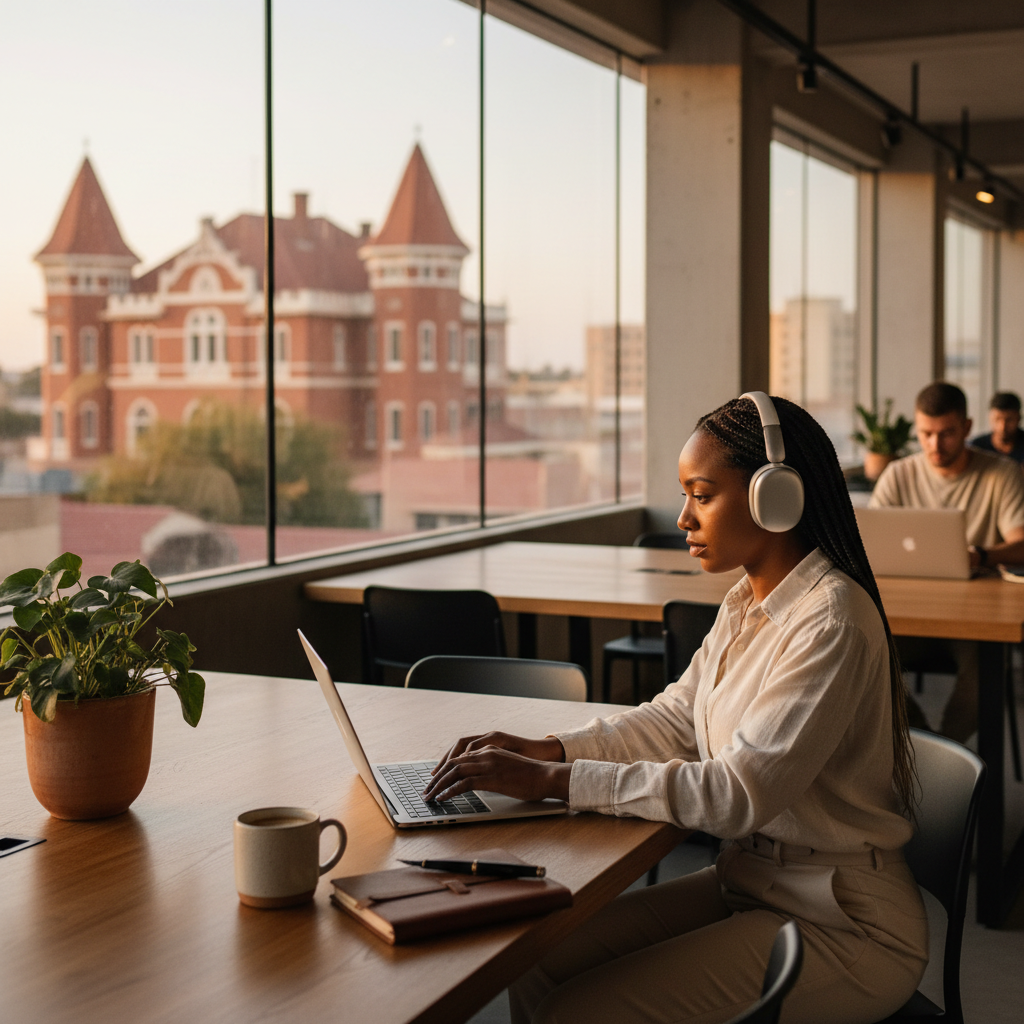
- Windhoek: Several options exist. The Hub and Launchpad are popular choices, offering hot desks, dedicated desks, and meeting rooms with reliable internet and essential office amenities. Prices typically range from USD 10-20 for a daily pass and USD 150-250 for a monthly membership.
- Swakopmund/Walvis Bay: Fewer dedicated coworking spaces outside Windhoek, but some guesthouses and hotels offer business centers or good communal areas with reliable Wi-Fi, suitable for remote work.
- Cafes with Wi-Fi: Many cafes in Windhoek and Swakopmund offer free Wi-Fi, though speeds can vary. These are good for casual work sessions but not for critical meetings.
Taxes & Legal Considerations
Understanding your tax obligations is crucial for digital nomads.
- Tax Residency: Namibia generally follows a residency-based taxation system. If you spend less than 183 days in Namibia within a 12-month period, you are typically not considered a tax resident for most purposes.
- Foreign-Sourced Income: As a holder of the Remote Work Visa, your income is generated from sources outside Namibia. If you maintain your tax residency in your home country and do not exceed the 183-day threshold in Namibia, your foreign-sourced income is generally not taxable in Namibia.
- Local Income: Any income earned from Namibian sources, however minimal, would typically be subject to Namibian income tax laws. The Digital Nomad Visa explicitly states you cannot work for Namibian entities, so this should not be an issue.
- VAT: You will pay Value Added Tax (VAT) on goods and services purchased in Namibia (e.g., groceries, restaurant meals, accommodation). The current VAT rate is 15% (as of 2026).
- Legal: Always adhere to Namibian laws. Drug offenses are taken very seriously. Respect local customs and regulations. When driving, carry your international driver's permit and ensure your home country’s driver’s license is valid.
It is always advisable to consult with a tax professional familiar with international tax laws and Namibian regulations, especially if you plan to stay for an extended period or have complex financial situations.
Lifestyle, Culture & Community
Namibia offers a unique lifestyle that blends outdoor adventure with a laid-back pace, deeply rooted in diverse cultures.
- Culture: Namibia is a melting pot of cultures, influenced by indigenous groups like the Ovambo, Herero, Himba, and San, as well as European (German, Afrikaans) colonial history. English is the official language, but German, Afrikaans, and various indigenous languages are widely spoken. Respect for elders and traditional practices is important. The people are generally welcoming and friendly.
- Outdoor Activities & Nature: This is Namibia's biggest draw. From the iconic red dunes of Sossusvlei, the wildlife spectacles of Etosha National Park, the rugged beauty of the Fish River Canyon, to the otherworldly Skeleton Coast, outdoor opportunities are endless. Hiking, camping, photography, birdwatching, and various adventure sports are popular.
- Social Scene: Windhoek has a growing number of cafes, restaurants, and bars. Swakopmund offers a more relaxed coastal social vibe. While not a bustling metropolis in the way of Bangkok or Lisbon, there's an emerging community of