Germany for Digital Nomads: Your Definitive 2026 Guide
Germany, a powerhouse of innovation, culture, and efficiency, has solidified its position as a top destination for digital nomads. While it doesn't boast a dedicated 'digital nomad visa' in name, its well-established 'Freelance Visa' (Aufenthaltserlaubnis zur Ausübung einer freiberuflichen Tätigkeit) offers a robust pathway for remote workers to experience life in the heart of Europe. As of 2026, Germany continues to attract those seeking a high quality of life, excellent infrastructure, and a vibrant cultural scene, all within a stable economic and legal framework.
Why Germany for Digital Nomads
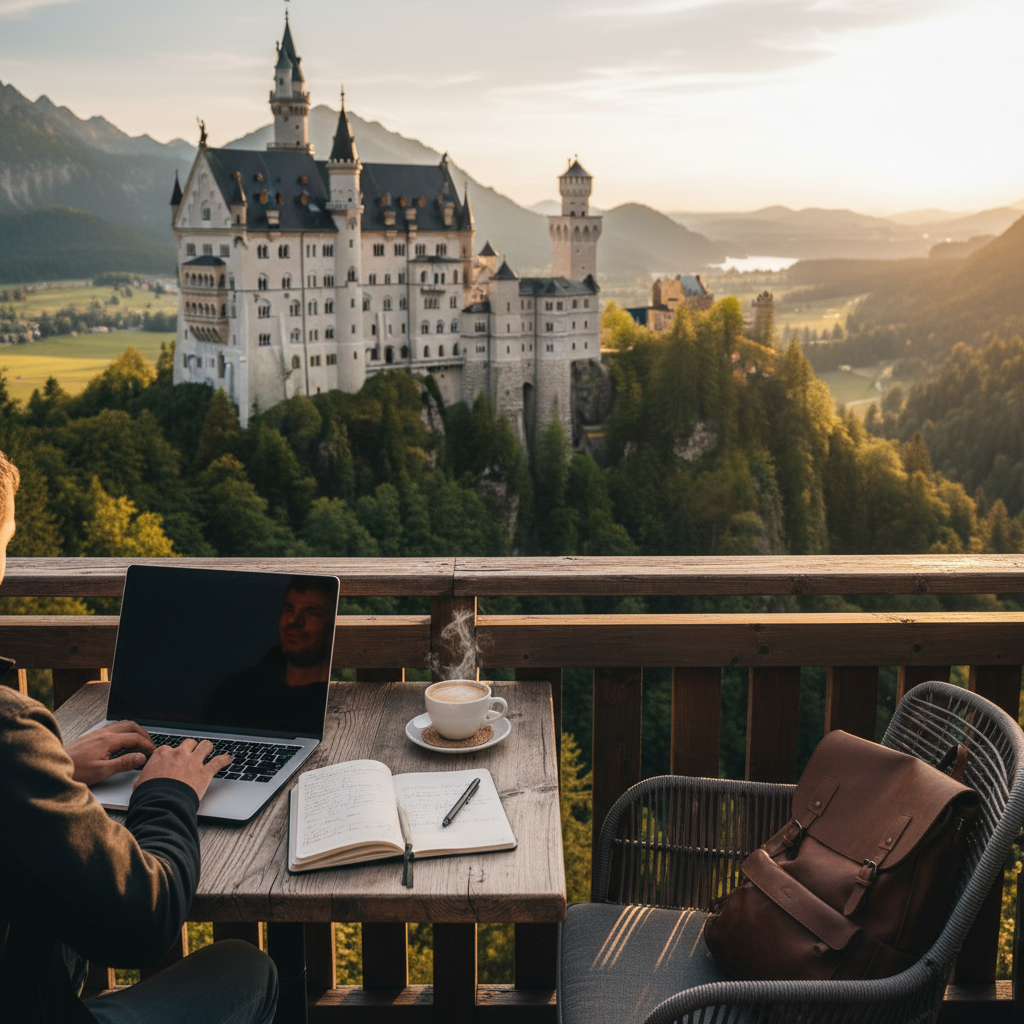
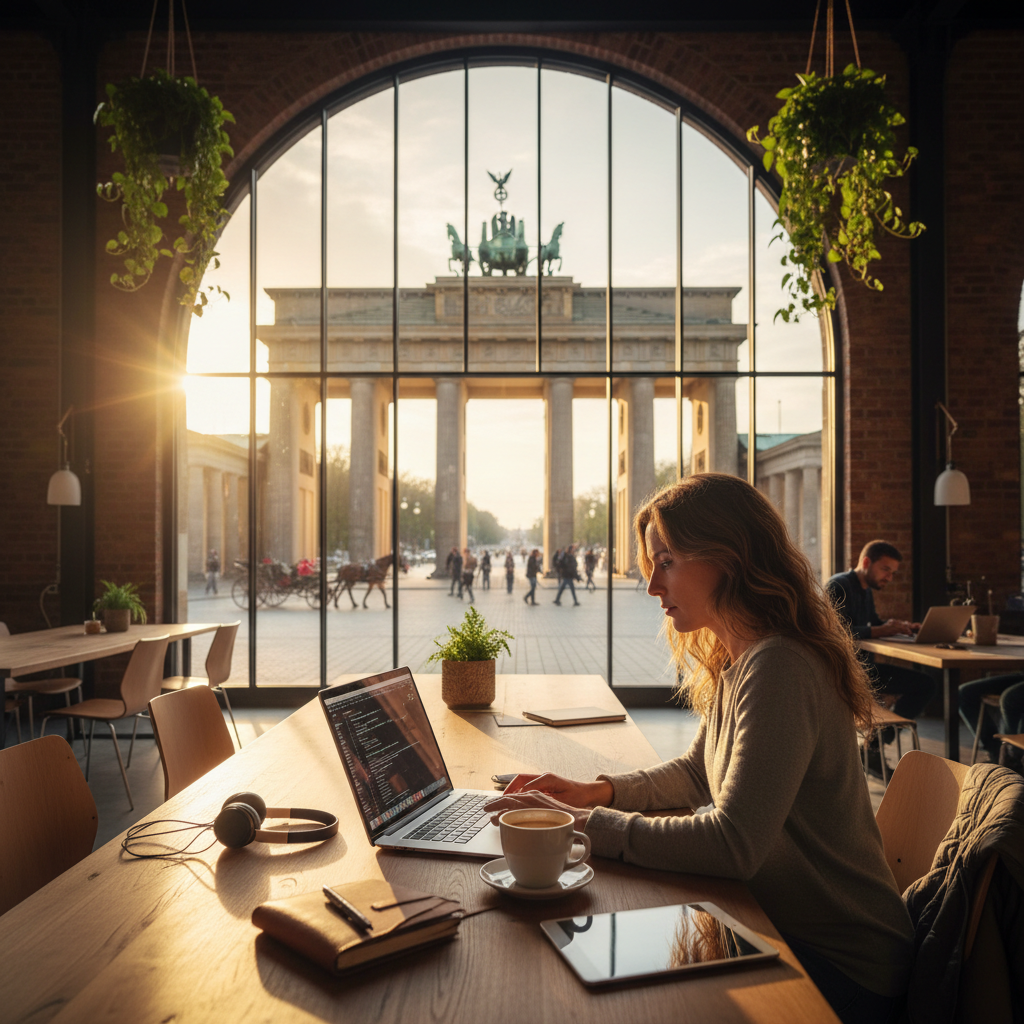
Germany offers a unique blend of historical charm and cutting-edge modernity, making it an incredibly appealing destination for digital nomads. The allure begins with its strong economy and commitment to infrastructure – reliable, high-speed internet is the norm, and public transportation systems are world-class. Cities like Berlin, Hamburg, and Munich buzz with entrepreneurial energy, hosting thriving tech and creative industries that foster a welcoming environment for remote professionals. This translates into a wealth of coworking spaces, networking events, and opportunities for collaboration.
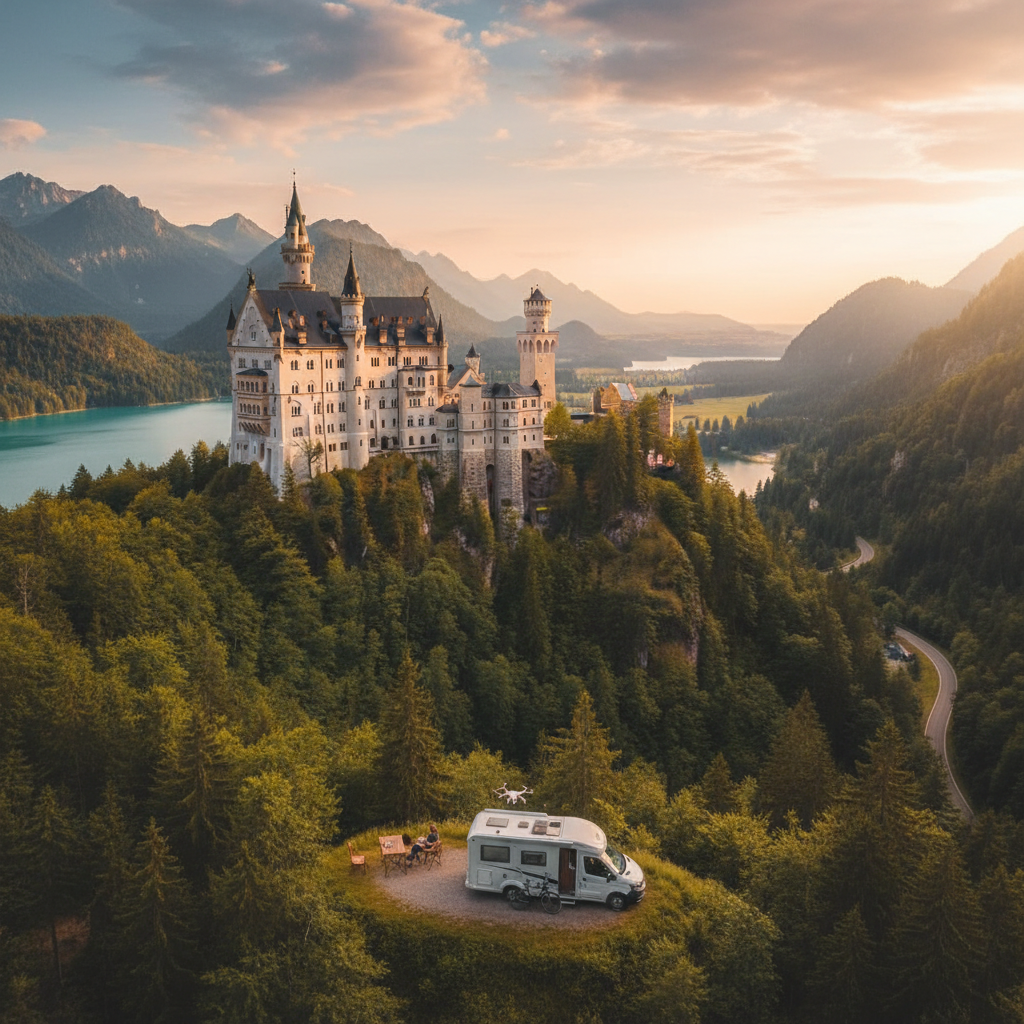
Beyond work, Germany's cultural richness is immense. From the historic streets of Berlin, with its unparalleled nightlife and art scene, to Munich’s traditional Bavarian charm and proximity to the Alps, there’s a diverse range of lifestyles on offer. The country is known for its efficiency and punctuality, which, while sometimes perceived as strict, often leads to a more organized and less stressful daily life. Healthcare is excellent, and a strong social security system underpins a sense of stability. Food culture ranges from hearty traditional fare to incredibly diverse international cuisine, especially in larger cities. Furthermore, Germany's central location in Europe makes it an ideal base for exploring neighboring countries with ease, leveraging its extensive rail network and numerous international airports. English is widely spoken in urban centers, making the initial transition smoother for many. The opportunity to learn German, however, unlocks deeper cultural immersion and access to local communities.
Visa Options & Eligibility
For non-EU/EEA digital nomads looking to live and work remotely in Germany, the primary route is the Freelance Visa (Aufenthaltserlaubnis zur Ausübung einer freiberuflichen Tätigkeit). This visa is not new or specifically designed for 'digital nomads' but perfectly accommodates those who work for themselves and can provide services remotely.
Eligibility Criteria for the Freelance Visa (2026):
- Proof of Freelance Activity: You must demonstrate that you have clients (or at least strong intent to acquire clients) for your freelance work. This can include letters of intent, contracts, or your business concept outlining how you will generate income. Critically, your profession must be recognized as a 'freiberuflicher Beruf' (liberal profession) under German law. Common examples include IT consultants, web developers, designers, artists, writers, translators, engineers, architects, and certain consultants.
- Financial Stability: You must prove you can financially support yourself without recourse to public funds. While there's no fixed minimum, immigration authorities typically look for evidence of stable income or substantial savings. For 2026, a rough guideline suggests around €3,000 - €4,000 (approx. $3,200 - $4,300 USD) in monthly income or sufficient savings for at least 6-12 months. This is to cover living expenses, rent, and health insurance.
- Accommodation: Proof of a registered address (Anmeldung) or suitable accommodation for your stay. You'll need a rental contract.
- Health Insurance: Comprehensive health insurance valid in Germany is mandatory. This usually means German private health insurance (preferred) or an equivalent international private policy that meets local standards. Ordinary travel insurance is not sufficient for this long-term visa.
- German Bank Account: While not strictly required for the initial application from abroad, setting one up is essential once you arrive for managing finances and proving solvency.
- Professional Qualifications: Depending on your profession, you may need to demonstrate relevant qualifications or experience.
- Intent for Local Business (optional but helpful): While you can work exclusively for foreign clients, demonstrating interest or plans to also serve German clients can sometimes strengthen your application, as it indicates a contribution to the German economy.
Visa Duration: Initially granted for 6 months to 1 year, with the possibility of extension up to 3 years. After several years, you may be eligible for permanent residency.
Application Fee (2026): The fee for the residence permit (visa) is approximately €100 - €110 (~$108 - $119 USD).
Cost of Living Breakdown
Germany offers a high quality of life, but this comes with varying costs depending on the city. Berlin, while a major capital, remains relatively affordable compared to other Western European capitals. Munich is consistently one of the most expensive cities. Here's an estimated monthly breakdown for a single digital nomad in a mid-range city like Hamburg or Cologne (2026 figures, all in USD):
| Expense Category | Berlin (Low) | Hamburg/Cologne (Mid) | Munich (High) | Average (USD) |
|---|---|---|---|---|
| Accommodation | ||||
| 1-bedroom apt (city ctr) | $1,200 | $1,450 | $1,900 | $1,517 |
| 1-bedroom apt (outskirts) | $850 | $1,050 | $1,400 | $1,100 |
| Utilities (electricity, heating, water, internet) | $250 | $300 | $350 | $300 |
| Groceries | $300 | $350 | $400 | $350 |
| Transportation | $80 | $90 | $100 | $90 |
| Health Insurance | $100 | $120 | $150 | $123 |
| Dining Out / Social | $350 | $400 | $500 | $417 |
| Coworking Space | $200 | $250 | $300 | $250 |
| Miscellaneous | $100 | $150 | $200 | $150 |
| Total Estimated Monthly Cost | $3,200 | $3,900 | $4,900 | $4,000 |
- Rent: Expect to pay more for modern, centrally located apartments. Warmmiete (inclusive of some utilities) vs. Kaltmiete (plus utilities) is crucial to understand. Finding an apartment can be competitive, especially in Berlin and Munich. WG-Gesucht.de is popular for flatshares (Wohngemeinschaften).
- Groceries: Supermarkets like Aldi, Lidl, Kaufland, and Rewe offer good quality at reasonable prices. Organic options are widely available but cost more.
- Transportation: Germany's public transport (trains, trams, buses, U-Bahn/S-Bahn) is excellent. Monthly passes are cost-effective.
- Health Insurance: This is a non-negotiable expense. For freelancers, private health insurance is standard and costs can vary based on age, health, and coverage.
Overall Monthly Cost: For a comfortable, yet budget-conscious, digital nomad life in Germany, anticipate spending around $3,200 USD per month in a more affordable city. This will be higher in more expensive cities like Munich.
Best Cities & Neighborhoods
Germany offers diverse urban experiences. Here are some top picks for digital nomads in 2026:
- Berlin: The undisputed digital nomad hub of Germany. Its vibrant international community, affordability (relatively speaking), thriving startup scene, and legendary nightlife make it a magnet for remote workers.
- Best Neighborhoods: Prenzlauer Berg (charming, family-friendly, cafes), Kreuzberg (alternative, artistic, diverse), Neukölln (gritty, vibrant, up-and-coming), Mitte (central, business, touristy).
- Munich: Known for its high quality of life, strong economy, proximity to the Alps, and Bavarian charm. More expensive and traditionally conservative than Berlin, but very safe and beautiful.
- Best Neighborhoods: Maxvorstadt (university area, vibrant, museums), Schwabing (upscale, cafes, parks), Glockenbachviertel (trendy, nightlife, central).
- Hamburg: Germany's second-largest city, a beautiful port city with a maritime flair, stunning architecture, and a strong media and creative industry. It offers a good balance of professional opportunities and lifestyle.
- Best Neighborhoods: Altona (historic, diverse, Elbe river views), St. Pauli (famous nightlife, alternative), Sternschanze (trendy, independent shops, lively).
- Cologne (Köln): A historic city with a relaxed atmosphere, famous cathedral, and friendly locals. It boasts a thriving media and arts scene, and its Rhenish carnival culture is infectious.
- Best Neighborhoods: Ehrenfeld (artsy, industrial charm, cafes), Belgisches Viertel (boutiques, design, nightlife), Südstadt (traditional, local, Rhine river).
- Leipzig: Often dubbed 'Hypezig' or 'The new Berlin,' this eastern German city offers incredible affordability, a youthful population, a growing creative scene, and plenty of green spaces. Ideal for nomads on a budget looking for a vibrant, artistic community.
- Best Neighborhoods: Plagwitz (industrial chic, canals, cultural spaces), Connewitz (alternative, student vibe, green), Schleußig (residential, green, relaxed).
Internet, Coworking & Remote-Work Infrastructure
Germany's digital infrastructure is robust, making it an excellent base for remote work.
- Internet Speed: The average internet speed across Germany is around 120 Mbps for fixed broadband (as of early 2026), with fiber optic connections becoming increasingly common, especially in urban areas. Mobile 5G coverage is widespread in cities, with providers like Deutsche Telekom, Vodafone, and O2 offering competitive plans. Expect to pay €30-€50 ($32-$54 USD) per month for home internet.
- Coworking Spaces: Germany, particularly Berlin, is a mecca for coworking spaces. You'll find a range from budget-friendly hot desks to premium private offices.
- Berlin: WeWork, Rent24, Factory Berlin, Betahaus. Prices range from €150-€400+ ($160-$430+ USD) per month for a flexible membership.
- Munich: Coworking spaces like Werk1, Impact Hub, Design Offices. Slightly higher prices, often €200-€500+ ($215-$540+ USD).
- Hamburg, Cologne, Leipzig: Growing numbers of local and international coworking brands, offering similar amenities but often at slightly lower price points.
- Cafes with Wi-Fi: Most cafes in German cities offer free Wi-Fi, though some may expect a purchase. Many are work-friendly, particularly outside of peak times.
- Public Wi-Fi: Available in many public spaces, libraries, and train stations, though not always reliable or secure enough for sensitive work.
- Tech Ecosystem: Germany, especially Berlin, has a thriving startup ecosystem, fostering innovation and providing a supportive environment for tech-focused remote workers. There are numerous meetups, networking events, and accelerator programs.
Taxes & Legal Considerations
Navigating German taxes as a freelancer can be complex, and getting professional advice is highly recommended.
- Tax Residency: If you spend more than 183 days in Germany within a calendar year, you are generally considered a German tax resident and are liable for German income tax on your worldwide income. Even if you stay less, you might still need to declare income generated from German sources.
- Income Tax (Einkommensteuer): Germany has a progressive income tax system, with rates ranging from 0% (for low incomes) up to 45%. Freelancers must declare their income annually.
- Solidarity Surcharge (Solidaritätszuschlag): An additional 5.5% surcharge on your income tax, designed to fund the reunification of Germany.
- Value Added Tax (VAT - Umsatzsteuer): If your annual turnover exceeds €22,000 (as of 2026), you will likely need to register for VAT and charge it on your invoices (standard rate 19%). Small businesses below this threshold may be exempt (Kleinunternehmerregelung).
- Trade Tax (Gewerbesteuer): Certain types of self-employment classified as a 'trade' (Gewerbe) rather than a 'liberal profession' (Freiberufler) are subject to trade tax, often at a municipal level. This distinction is crucial to clarify.
- Health Insurance & Social Security: As a freelancer, you are responsible for your own health insurance contributions. You are generally exempt from mandatory public pension contributions unless you opt in or if your profession is among those for which pension contributions are mandatory (e.g., artists, teachers). Unemployment insurance is optional.
- Double Taxation Treaties: Germany has double taxation treaties (DTTs) with many countries to prevent individuals from being taxed on the same income in two countries. It's essential to understand how these apply to your specific situation.
- Legal Advice: It is highly advisable to consult with a German tax advisor (Steuerberater) and potentially a lawyer specializing in immigration/business law early in your planning to ensure full compliance.
Lifestyle, Culture & Community
Living in Germany as a digital nomad offers a rich and distinctive experience.
- Culture: German culture values efficiency, punctuality, and order, which translates into a well-organized society. While Germans can sometimes be perceived as reserved, they are generally welcoming and appreciate efforts to engage in their language and customs. Direct communication is common and valued. A strong emphasis is placed on work-life balance, with generous vacation allowances and a focus on leisure activities, particularly outdoors.
- Work-Life Balance: Sundays are typically quiet, with most shops closed, encouraging relaxation and family time. Germans enjoy their extensive public holidays, which often coincide with long weekends, perfect for travel.
- Community: Major cities, especially Berlin, boast large and active expat and digital nomad communities. Meetup groups, language exchange events, and online forums (e.g., Facebook groups like 'Digital Nomads Berlin') are excellent resources for connecting with like-minded individuals.
- Networking: Germany offers numerous opportunities for professional networking, especially in tech and creative industries. Attend industry meetups, coworking space events, and conferences.
- Food and Drink: German cuisine goes beyond sausages and beer, though these are staples. Expect hearty dishes like Schnitzel, Spätzle, and Sauerbraten. Bakeries (Bäcker) are on every corner with fresh bread and pastries. Germany's beer culture is legendary, but its wine regions also produce excellent wines. Turkish, Vietnamese, and Italian cuisines are incredibly popular in cities.
- Nature & Outdoor Activities: Germany is surprisingly green, with extensive forests, national parks, and numerous lakes and rivers. Winter sports are popular in the south, while hiking and cycling are enjoyed nationwide. The train system makes accessing nature easy.
- Language: While English is widely spoken in major cities, especially among younger generations and in international professional settings, learning basic German phrases will significantly enhance your daily life and integration. German language schools are plentiful and offer courses at all levels.
How to Apply: Step-by-Step
Applying for the German Freelance Visa largely follows these steps, though always consult the latest requirements from the German embassy/consulate in your home country or the local Ausländerbehörde (Foreigners' Office) in Germany.
-
Gather Required Documents:
- Valid passport.
- Biometric passport photos.
- Application form for National Visa (D-Visa) / Residence Permit.
- Proof of freelance work: CV, portfolio (if applicable), letters of intent from potential clients, business plan outlining your freelance activities and how they benefit the German economy. Crucially, show at least 2-3 potential German clients/leads if applying from abroad.
- Financial proof: Bank statements showing sufficient funds, projected income statements, business earnings if already freelancing.
- Proof of accommodation: Rental contract or temporary proof of address (e.g., Airbnb booking for longer stays) initially, then anmeldung (city registration) if already in Germany.
- Health insurance: Private comprehensive health insurance valid in Germany.
- Motivation letter: Explaining why you want to freelance in Germany and what services you'll offer.
- Tax numbers: If you've previously freelanced, old tax IDs might be helpful.
-
Apply from Abroad (Recommended): Schedule an appointment at the German embassy or consulate in your home country. This is generally the less stressful route, as you arrive with a valid visa.
-
Apply from Within Germany (Possible): If you are from a country that allows visa-free entry to the Schengen Area (e.g., USA, Canada, Australia), you can enter as a tourist and then apply for the Freelance Residence Permit at the local Ausländerbehörde while in Germany. However, finding an appointment can be challenging, and you cannot legally work until the permit is granted. This option carries higher risk and is generally not recommended unless you are well-prepared.
-
Attend Your Appointment: Submit all documents. Be prepared for an interview where you might be asked about your business plan, clients, and financial stability.
-
Wait for Processing: Processing times can vary significantly (typically 60-120 days, but sometimes longer). During this time, you cannot work if applying from within Germany on a tourist visa.
-
Receive Your Visa/Residence Permit: Once approved, you'll receive your visa sticker in your passport or the electronic residence permit (eAT card).
-
Register Your Address (Anmeldung): Within two weeks of moving into your permanent residence, you must register your address at the local Bürgeramt/Kundenhalle. This is crucial for various administrative tasks.
-
Obtain a Tax ID (Steueridentifikationsnummer): You'll receive this automatically after your Anmeldung. You'll also need a tax number (Steuernummer) for your freelance business, which you apply for at your local Finanzamt (tax office).
Common Pitfalls
- Vague Business Plan: A weak or unclear business plan is a common reason for visa rejection. Be specific about your services, target clients, and how you will generate income.
- Lack of German Clients (for initial application): While you can work for foreign clients, some Ausländerbehörde offices, especially outside Berlin, prefer to see concrete plans or letters of intent from German clients, indicating your contribution to the local economy. Prepare for this eventuality.
- Insufficient Funds: Not meeting the financial self-sufficiency requirement can lead to refusal. Ensure your bank statements and income projections are clear and robust.
- Inadequate Health Insurance: Ordinary travel insurance is not sufficient. You need comprehensive private health insurance that meets German standards for long-term residency.
- Misunderstanding Freelancer vs. Trade: Incorrectly classifying your professional activity (Freiberufler vs. Gewerbe) can lead to issues with tax registration and permits. Seeking advice on this is key.
- Language Barrier (Outside Berlin): While English is prevalent in global sectors, administrative processes and daily life can be challenging without some German language skills. Be prepared to use translation apps or seek assistance.
- Difficulty Finding Housing: Housing markets in popular cities like Berlin and Munich are competitive. Start your search early and be prepared for potential challenges.
- Bureaucracy: German bureaucracy can be slow and process-driven. Patience, meticulous document preparation, and keeping copies of everything are essential.
- Not Registering (Anmeldung): Failing to register your address is a common mistake that can lead to fines and prevent you from completing other essential registrations.
By carefully planning and understanding these aspects, digital nomads can successfully navigate the process and enjoy a rewarding experience in Germany.