Cyprus for Digital Nomads: Your 2026 Comprehensive Guide
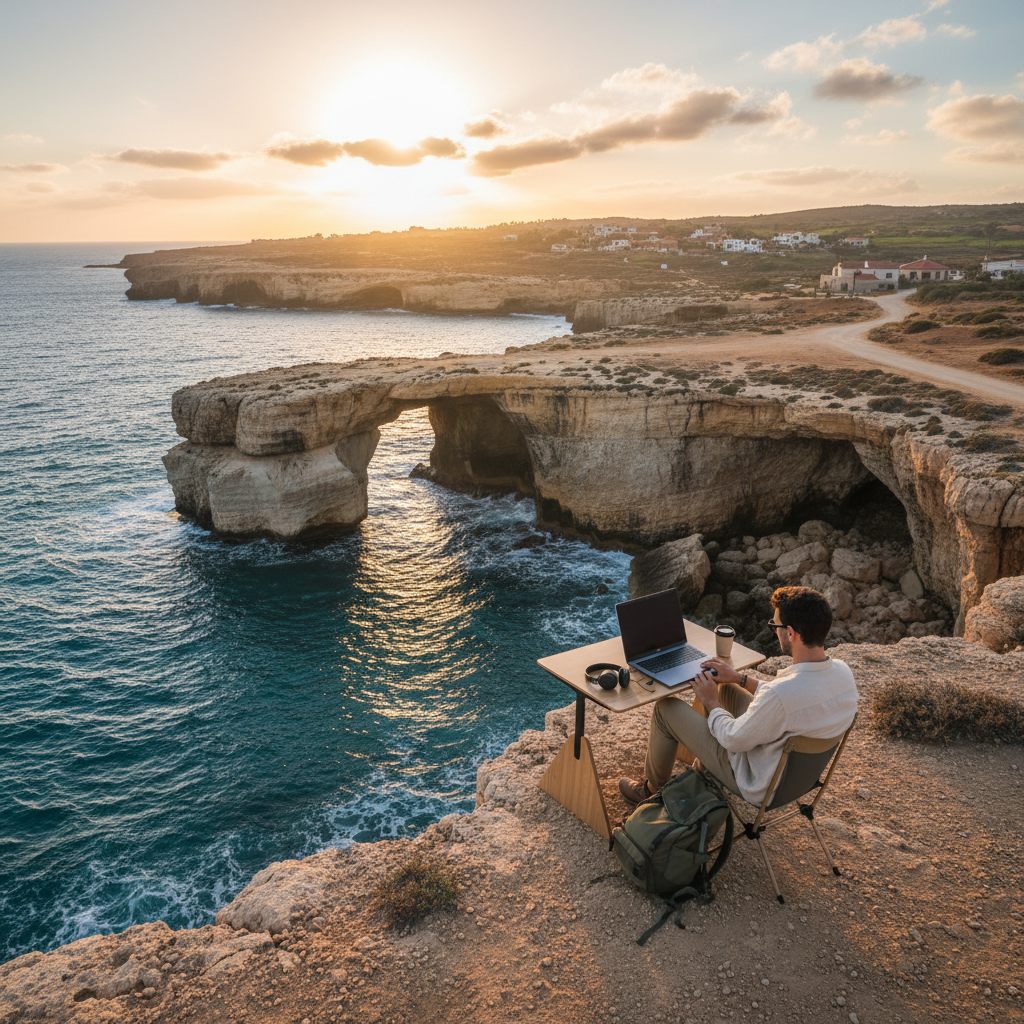
Cyprus, the sun-drenched island in the eastern Mediterranean, has quickly emerged as a compelling destination for digital nomads. With its strategic location, rich history, warm climate, and recent implementation of a dedicated Digital Nomad Visa, it's becoming an increasingly attractive hub for remote workers seeking a blend of European quality of life and island charm. This guide provides an in-depth look at everything you need to know about working remotely from Cyprus in 2026.
Why Cyprus for Digital Nomads
Cyprus offers a unique combination of factors that make it ideal for digital nomads. Firstly, its geographical position serves as a bridge between Europe, Asia, and Africa, making travel convenient. The island boasts over 300 days of sunshine annually, guaranteeing a pleasant climate for outdoor activities year-round. English is widely spoken, especially in business and tourism sectors, making integration for expats relatively smooth.
The cost of living, while not as low as some Eastern European countries, is generally more affordable than Western Europe, particularly for accommodation. The lifestyle is relaxed, embracing the Mediterranean 'siga siga' (slowly, slowly) approach, which can be a welcome change from fast-paced urban environments. The cuisine is delicious and healthy, focusing on fresh local produce, seafood, and traditional dishes. Safety is another significant draw, with Cyprus consistently ranking among the safest countries in the world. Its EU membership provides a stable economic and legal environment, further bolstering its appeal. The government's proactive steps to attract digital nomads, exemplified by its Digital Nomad Visa, highlight its commitment to fostering a remote work ecosystem. Infrastructure is continually improving, with growing fiber optic networks and dedicated coworking spaces appearing in major cities, catering specifically to the needs of the remote workforce.
Visa Options & Eligibility
Cyprus offers a dedicated Digital Nomad Visa, specifically for non-EU/EEA citizens. This visa allows individuals to reside and work remotely from Cyprus for a period of one year, with the possibility of renewal. The key requirements are:
- Non-EU/EEA Nationality: The visa is exclusively for third-country nationals.
- Remote Work Status: You must be employed by a company registered outside Cyprus, or be self-employed (freelancer) providing services to clients located outside Cyprus.
- Stable Income: A crucial requirement is demonstrating sufficient financial means. As of 2026, the minimum gross monthly income required is €3,500 (approximately $3,800 USD) after tax. This amount must be proven through bank statements, employment contracts, or other verifiable financial documents. For accompanying family members, the income requirement increases: by 20% for a spouse/partner and by 15% for each dependent child.
- Health Insurance: You must have valid health insurance that covers inpatient medical care and repatriation of remains. The policy should cover the entire duration of your stay in Cyprus.
- Accommodation: Proof of accommodation in Cyprus (rental agreement, title deed) is required.
- Clean Criminal Record: A clear criminal record certificate from your country of origin is mandatory.
- Passport Validity: Your passport must be valid for at least six months beyond your intended stay.
There are a limited number of Digital Nomad Visas issued each year. While the exact cap can vary and be updated by the Cypriot government, it's advisable to apply as soon as you meet the criteria. The initial visa is granted for one year and can be renewed for an additional two years, for a maximum stay of three years under this scheme.
Cost of Living Breakdown
The cost of living in Cyprus is moderate compared to many Western European countries, yet higher than some in Eastern Europe or Southeast Asia. It largely depends on your lifestyle and choice of city. Limassol tends to be the most expensive, while cities like Larnaca and Paphos offer more budget-friendly options.
Here’s an estimated monthly breakdown for a single digital nomad in 2026:
| Expense Category | Estimated Monthly Cost (USD) |
|---|---|
| Accommodation | |
| 1-bedroom apartment (city center) | $800 - $1,200 |
| 1-bedroom apartment (outside center) | $600 - $900 |
| Utilities | |
| Electricity, Water, Heating, Cooling | $100 - $200 |
| Internet (fiber, 100-200 Mbps) | $40 - $60 |
| Mobile Plan | $20 - $40 |
| Groceries | $250 - $400 |
| Dining Out | |
| Budget meals/takeaway | $150 - $250 |
| Mid-range restaurant (3 meals) | $200 - $350 |
| Transportation | |
| Public transport pass | $40 - $60 |
| Fuel (if owning a car) | $100 - $200 |
| Health Insurance | $50 - $100 |
| Coworking Space | $100 - $250 |
| Miscellaneous/Leisure | $200 - $400 |
| Total Estimated Monthly Cost | $1,800 - $2,500 |
Note: These figures are averages and can vary significantly based on individual preferences, location within the city, and market fluctuations in 2026. For couples or families, these costs will increase, particularly for accommodation and groceries. Eating out locally at a taverna can be very affordable, while international cuisine in tourist areas will be pricier. Public transport is available but not as extensive as in larger European capitals, making a car rental or purchase a consideration for some, especially outside the main city centers.
Best Cities & Neighborhoods
Each of Cyprus’s main cities offers a distinct flavor for digital nomads:
- Limassol: The most cosmopolitan and dynamically developing city, Limassol is a hub for international business, particularly in finance and tech. It boasts a lively marina, a long coastline with beaches, and a vibrant nightlife. For digital nomads, it offers the most coworking spaces, networking events, and diverse dining options. Neighborhoods like the city center, Germasogeia, and Agios Tychonas are popular, offering a mix of modern apartments and seaside living.
- Paphos: Located on the western coast, Paphos is known for its archaeological sites, beautiful beaches, and a more laid-back atmosphere than Limassol. It's ideal for those seeking a balance of history, nature, and a slightly slower pace of life. Kato Paphos (Lower Paphos) is popular for its proximity to the sea and tourist amenities, while the city center offers a more local feel. It is generally more affordable than Limassol.
- Larnaca: Positioned on the southeast coast, Larnaca is home to the island's main international airport, making it incredibly convenient for travel. It offers a relaxed coastal vibe with a beautiful promenade (Finikoudes), plenty of restaurants, and salt lakes often frequented by flamingos. It's a good middle-ground option, balancing affordability with amenities. The city center and McKenzie Beach area are favored spots.
- Nicosia: As the capital, Nicosia is the political and administrative center of Cyprus. It's the only major city not on the coast, offering a distinctly urban experience. While it lacks beaches, it compensates with historical charm, excellent museums, a bustling old town (Ledra Street), and a strong sense of local culture. It’s ideal for those who prefer city life, culture, and perhaps a slightly more 'authentic' Cypriot experience away from the main tourist hubs. Areas like Engomi and Strovolos offer modern living, while the old town is full of character.
Internet, Coworking & Remote-Work Infrastructure
Cyprus is generally well-equipped for remote work. Internet connectivity has seen significant improvements in recent years, especially in urban areas.
- Internet Speeds: The average download speed in Cyprus is around 150 Mbps as of 2026, with fiber optic internet increasingly available in major cities. Upload speeds are also respectable, ensuring smooth video calls and data transfers. Major providers include Cyta, PrimeTel, and Epic.
- Mobile Connectivity: 4G LTE is widespread, and 5G networks are expanding rapidly in urban centers, providing reliable mobile internet coverage across most of the island.
- Coworking Spaces: All major cities now boast dedicated coworking spaces, offering various membership options from hot desks to private offices. Examples include Regus and specific local hubs in Limassol (e.g., The Cube, Oval Office), Nicosia (e.g., Gravity, Centrepoint Coworking), and Paphos (e.g., The Co-Work). These spaces provide not only reliable internet but also opportunities for networking and community building.
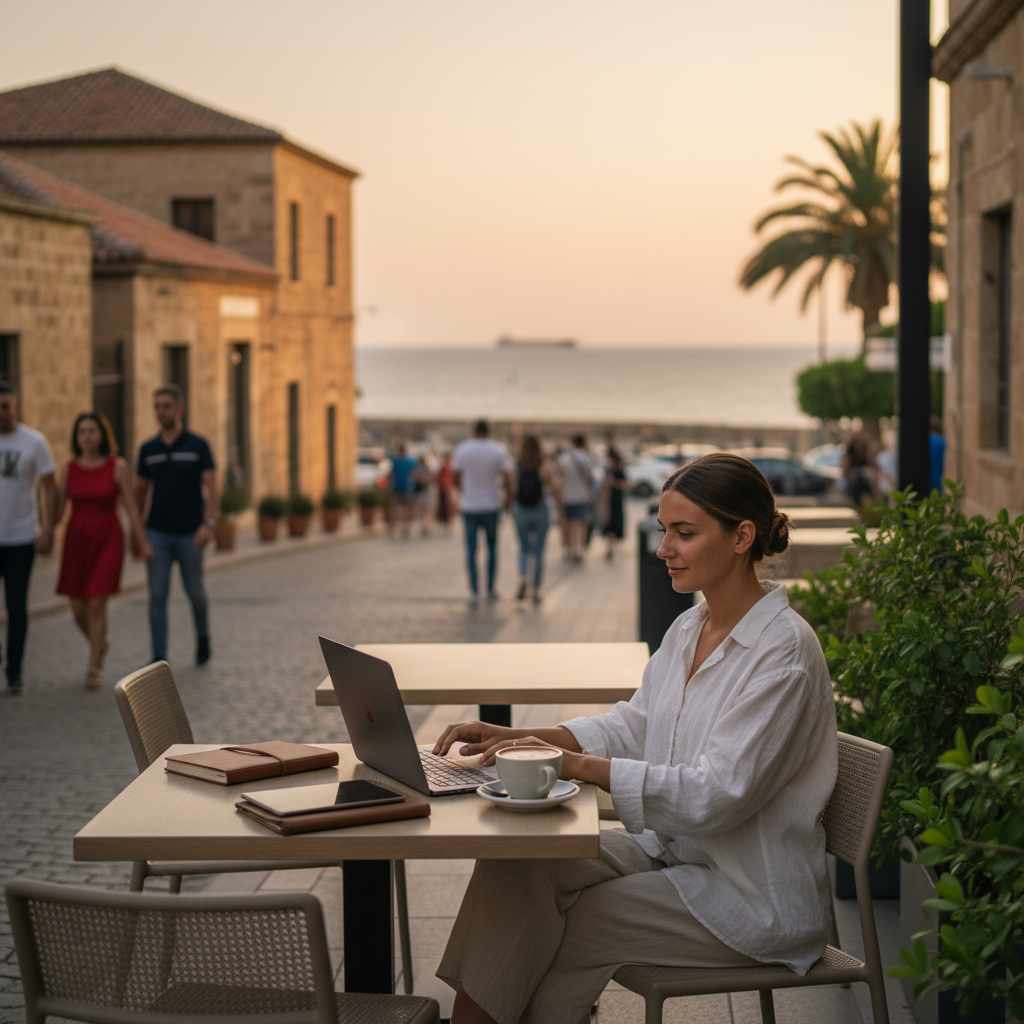
- Cafes with Wi-Fi: Many cafes and restaurants, especially in tourist areas and city centers, offer free Wi-Fi, providing additional options for casual remote work.
- Power Supply: Cyprus uses Type G power sockets (the same as in the UK) with a standard voltage of 230V and a frequency of 50Hz. Adapters are readily available if your devices use other plug types.
Taxes & Legal Considerations
Navigating the tax landscape as a digital nomad in Cyprus requires careful attention:
- Tax Residency: For non-EU/EEA nationals on the Digital Nomad Visa, you are generally not considered a tax resident of Cyprus if you reside there for less than 183 days in a tax year (which is the calendar year). If you stay for more than 183 days, you may become a tax resident.
- Income Sourced from Cyprus: Regardless of tax residency status, any income generated from sources within Cyprus (e.g., if you serve Cypriot clients or have a Cypriot employer, which is generally not allowed under the DN visa terms) is subject to Cypriot income tax from day one.
- Worldwide Income (for Tax Residents): If you become a tax resident (i.e., stay more than 183 days), your worldwide income may become subject to Cypriot income tax. However, Cyprus has double taxation treaties with over 60 countries, which can help prevent you from being taxed twice on the same income. It is crucial to understand the specifics of the treaty with your home country.
- Non-Dom Status: Cyprus offers an attractive 'non-domicile' status for individuals who become tax residents but were not domiciled in Cyprus for at least 17 out of the last 20 years. Non-doms are exempt from the Special Contribution for Defence tax on certain types of passive income (like interest, dividends, and rental income), but income tax on other sources still applies. This may not be immediately applicable to digital nomads on their initial visa, but it's a point to be aware of for longer-term stays.
- Social Security: As a digital nomad, you are typically not employed by a Cypriot entity. However, if you are self-employed and generate income from Cypriot sources, or if you opt into the social security system, you might need to contribute. It is advisable to consult with a local tax advisor to clarify your specific obligations based on your income streams and tax residency status.
- VAT: Value Added Tax (VAT) in Cyprus is 19% (as of 2026). If you are providing services to Cypriot clients and your annual turnover exceeds a certain threshold, you may need to register for VAT. Most digital nomads serving international clients will not be immediately impacted.
Given the complexities, it is highly recommended to seek professional advice from a Cypriot tax consultant or lawyer specializing in international taxation for digital nomads before or shortly after your arrival to ensure full compliance and optimize your tax situation.
Lifestyle, Culture & Community
Life in Cyprus offers a blend of vibrant Mediterranean culture, ancient history, and modern amenities. The 'siga siga' philosophy means that things generally move at a slower, more relaxed pace than in many Western countries, which can be both charming and occasionally frustrating for those used to high efficiency. Family values are very strong, and hospitality is ingrained in the local culture.
- Food & Drink: Cypriot cuisine is a delicious amalgamation of Greek, Middle Eastern, and Turkish influences. Expect fresh seafood, halloumi cheese, souvlaki, meze platters, fresh produce, and local wines. Dining out is a central social activity.
- Outdoor Activities: With its beautiful coastline, mountains (Troodos range), and sunny weather, Cyprus is perfect for outdoor enthusiasts. You can enjoy swimming, hiking, cycling, water sports, and even skiing in the winter months.
- Community: Expat communities are well-established, particularly in Limassol, Paphos, and Larnaca, making it easier to meet like-minded individuals. Facebook groups like