Why Curaçao for Digital Nomads
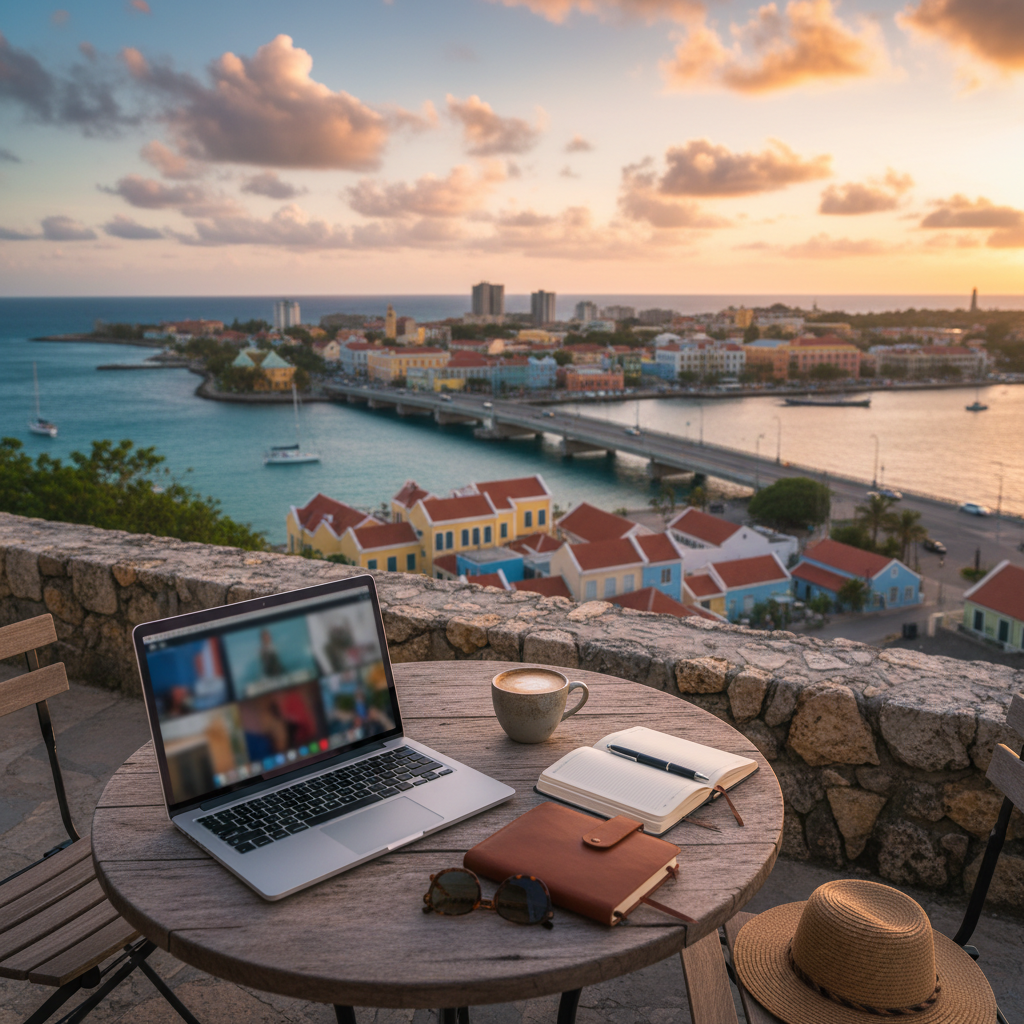
Imagine daily doses of turquoise water, vibrant Dutch colonial architecture, and a laid-back Caribbean rhythm – all while maintaining your remote work schedule. Curaçao, a constituent country of the Kingdom of the Netherlands, has emerged as an appealing destination for digital nomads. Its @HOME in Curaçao program, launched in late 2020 and solidified for 2026, officially welcomes remote workers seeking an extended stay in paradise. This picturesque island offers a unique blend of European sophistication and Caribbean warmth, with reliable infrastructure, a welcoming local populace, and a competitive cost of living compared to other popular nomad spots. Think endless sunshine, world-class diving, and a captivating cultural mosaic, making it an ideal escape for those looking to blend productivity with profound leisure.
Accessibility is a major plus, with direct flights from North America and Europe, and the official language being Dutch, Papiamentu, and English widely spoken, especially in tourist and business sectors. The island’s stable political environment, robust healthcare system (by Caribbean standards), and consistent tropical climate without significant hurricane risk (it lies outside the main hurricane belt) add to its allure. For nature lovers and adventure seekers, Curaçao boasts over 35 pristine beaches, incredible snorkeling and diving sites directly from the shore, and rugged national parks to explore. The sense of community among expats and nomads is growing, supported by dedicated Facebook groups and local initiatives. It's a place where you can switch from a beachside coworking session to exploring a historic fort or savoring fresh seafood within minutes, offering a truly balanced remote work experience.
Visa Options & Eligibility
The primary pathway for digital nomads to reside and work remotely in Curaçao is through the @HOME in Curaçao program. This initiative was specifically designed to attract and accommodate remote workers, retirees, and investors looking for a temporary base on the island. It’s a straightforward and relatively efficient process for those who meet the criteria.
Key Features of the @HOME in Curaçao Program (2026):
- Visa Name: @HOME in Curaçao
- Purpose: Allows remote workers, entrepreneurs, and investors to reside in Curaçao for an extended period.
- Initial Stay Duration: Up to 6 months.
- Extension: Possibility to extend for another 6 months, totaling a maximum of 1 year.
- Eligibility Criteria:
- Remote Work Proof: Demonstrate that you are employed by a company registered outside Curaçao OR that you run your own business registered outside Curaçao and can perform your work remotely.
- Financial Self-Sufficiency: Provide proof of sufficient financial means to support yourself during your stay. This typically requires showing a minimum stable monthly income of at least $2,500 USD (or equivalent in Euro) from non-Curaçaoan sources. Bank statements, employment contracts, or business financial records usually suffice.
- Health Insurance: Possess valid international health insurance that covers your entire stay in Curaçao. Coverage of at least $50,000 USD is generally recommended.
- Clean Criminal Record: Must have a clean criminal background. A police clearance certificate from your country of residence may be required.
- Valid Passport: Your passport must be valid for at least 6 months beyond your intended stay.
- Accommodation Proof: Demonstrate proof of accommodation arrangements for at least part of your stay (e.g., rental agreement, hotel booking).
- Return Flight: While not always strictly enforced upfront, having a return or onward flight booked can strengthen your application or be requested upon arrival.
Application Fee: The non-refundable application fee for the @HOME in Curaçao program is approximately $300 USD (or €275 Euro) per adult applicant. For dependents (spouse, children), additional fees may apply.
Processing Time: Once all documents are submitted, the processing time is generally 15-20 business days. It's advisable to apply well in advance of your planned arrival.
Dependency: The program allows for family members (spouse and dependent children) to accompany the primary applicant, provided they can prove sufficient financial means for the entire family.
Alternative Option (Not a Digital Nomad Visa): Tourist Stay: For citizens of many countries (including the US, Canada, EU), a tourist stay of up to 90 days within a 180-day period is possible without a visa. However, this is not intended for remote work and does not offer the same legal protections or long-term possibilities as the @HOME program. It's suitable for a short 'test drive' but not for extended remote work. Overstaying or engaging in work without the appropriate permit can lead to fines or deportation.
Cost of Living Breakdown
The cost of living in Curaçao can be moderate to high, depending heavily on your lifestyle choices, particularly regarding accommodation and dining. While some daily expenses are comparable to the US, others, especially imported goods, can be higher due to island logistics. For a comfortable single digital nomad, a budget of $2,300 to $3,500 USD per month is a realistic estimate for 2026. This includes rent, utilities, food, transportation, and some leisure activities.
Here’s a detailed breakdown of typical monthly expenses (estimates for 2026, all in USD):
| Category | Low Estimate (USD) | High Estimate (USD) | Notes |
|---|---|---|---|
| Accommodation | |||
| 1-bedroom apartment | $800 | $1,500 | Outside city center / more basic vs. prime area / furnished modern |
| Utility (Electricity) | $150 | $250 | A/C usage is a major factor, electricity is expensive. |
| Utility (Water) | $30 | $50 | Relatively stable. |
| Utility (Internet) | $50 | $80 | 50-100 Mbps fiber plan. |
| Food & Dining | |||
| Groceries | $300 | $500 | Local produce is cheaper; imported goods are pricier. |
| Eating Out (per meal) | $15 | $40+ | Local snack ('Pastechi') vs. mid-range restaurant dinner. Tourist areas are more expensive. |
| Coffee | $4 | $6 | |
| Transportation | |||
| Car Rental (monthly) | $400 | $700 | Very advisable for flexibility; can vary greatly by car type and rental company. |
| Public Transport (bus) | $20 | $50 | Limited routes, less frequent outside Willemstad. |
| Taxi (short ride) | $10 | $20 | Not metered, always agree on price beforehand. |
| Fuel (liter) | $1.50 | $1.80 | |
| Health & Wellness | |||
| Gym Membership | $40 | $80 | |
| Yoga Class | $15 | $25 | |
| Leisure & Misc. | |||
| Co-working space | $100 | $250 | Hot desk vs. dedicated desk monthly. |
| Mobile Plan | $30 | $60 | Prepaid with data (Digicel, Flow). |
| Entertainment | $100 | $300 | Beach club entrance, snorkeling trips, bar nights. |
| Total Estimated Monthly Cost | $2,070 | $3,495 | (Excludes visa fees, insurance, or major excursions) |
Budgeting Tips:
- Embrace Local Markets: Visit local markets for fresh fruits, vegetables, and fish to save on groceries.
- Cook at Home: Eating out, especially in tourist areas, can quickly add up. Utilize kitchen facilities in your accommodation.
- Manage A/C Use: Air conditioning is the biggest electricity drain. Use it sparingly or opt for accommodations with good cross-ventilation or ceiling fans.
- Negotiate Rent: For longer stays, especially outside peak season, there might be room to negotiate rental prices.
- Car is Key: While an added expense, having a car provides immense freedom and often saves time and hassle compared to relying on infrequent public transport or costly taxis.
Best Cities & Neighborhoods
Curaçao isn't a vast island, but its urban and coastal areas offer distinct flavors for digital nomads. The capital, Willemstad, is the heart of activity, while other areas provide more tranquility.
Willemstad
Willemstad is a UNESCO World Heritage site and the undisputed cultural and economic hub of Curaçao. It's divided into several distinct districts, each with its own charm:
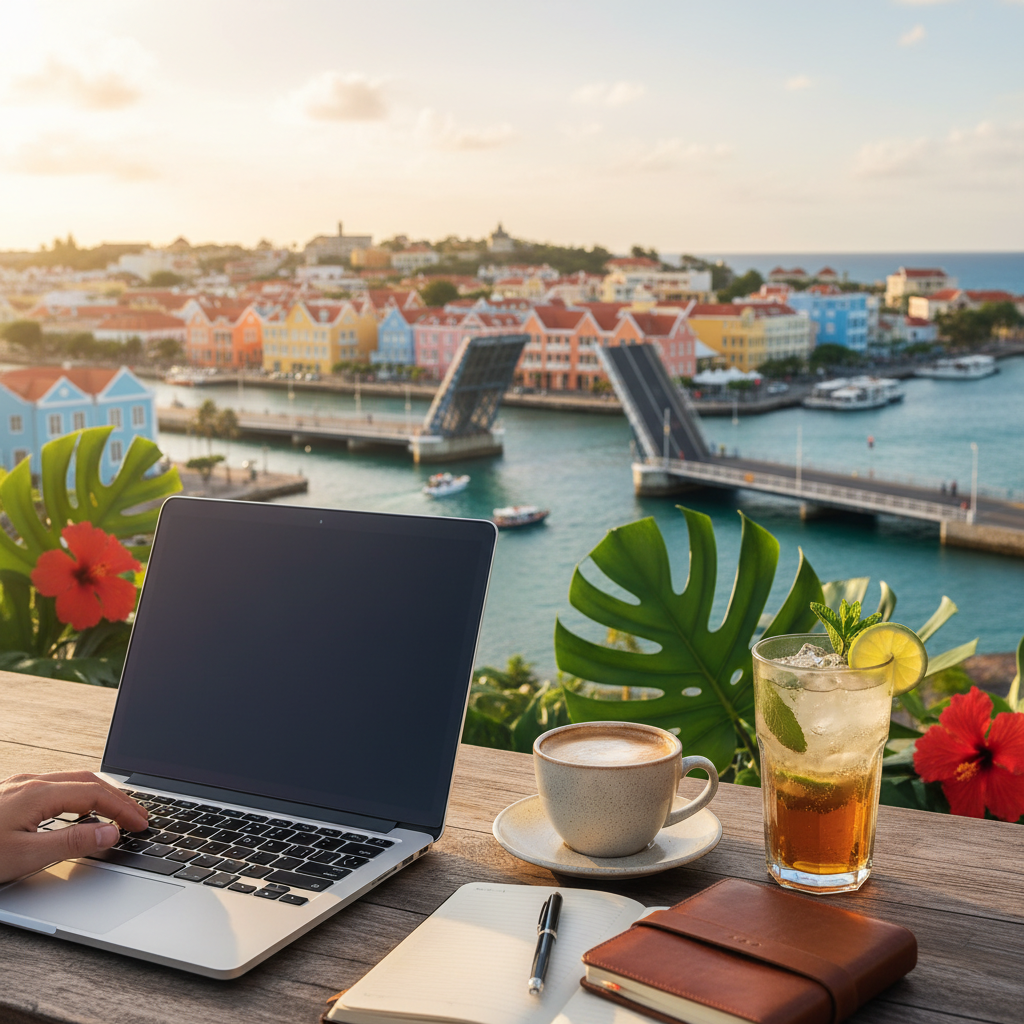
- Punda & Otrobanda: These are the historic downtown areas, separated by St. Anna Bay and connected by the iconic Queen Emma Pontoon Bridge. Punda, with its pastel-colored Dutch colonial houses, is bustling with shops, restaurants, museums, and lively nightlife. Otrobanda offers a more local feel with winding alleys, renovated historical buildings, and a growing number of boutique hotels and eateries. Ideal for those who thrive on urban energy, easy access to everything, and don't mind a bit more noise. Coworking spaces and cafes are most concentrated here.
- Pietermaai District: Adjacent to Punda, Pietermaai is Willemstad's bohemian and rapidly gentrifying district. Old mansions have been transformed into vibrant hotels, trendy restaurants, bars, and creative businesses. It has a chic, artsy vibe, often featuring live music. It’s slightly quieter than the main Punda/Otrobanda strip but still very central and walkable. Excellent for those seeking a balance of urban amenities and a creative, social atmosphere.
- Saliña/Janwe/Cas Grandi: These are more residential neighborhoods just east of Willemstad. They offer quieter living with more spacious homes and apartments, often at slightly lower rents. You'll find supermarkets, local shops, and some restaurants here. A car is highly recommended for convenience, but you're still only a 10-15 minute drive from downtown Willemstad and popular beaches like Jan Thiel.
Jan Thiel
Located on the southeastern coast, Jan Thiel is a popular and upscale area known for its beautiful beach clubs, resorts, and a range of amenities. It’s particularly attractive to those who enjoy a resort-like atmosphere, water sports, and direct access to white sand beaches. While it has its own mini-economy of restaurants, supermarkets, and gyms, it's still about a 20-minute drive to Willemstad. It's a great option for those prioritizing beach access and a more 'vacation-style' living experience, albeit usually at a higher cost.
Banda Abou
Literally meaning