Why Cape Verde for Digital Nomads
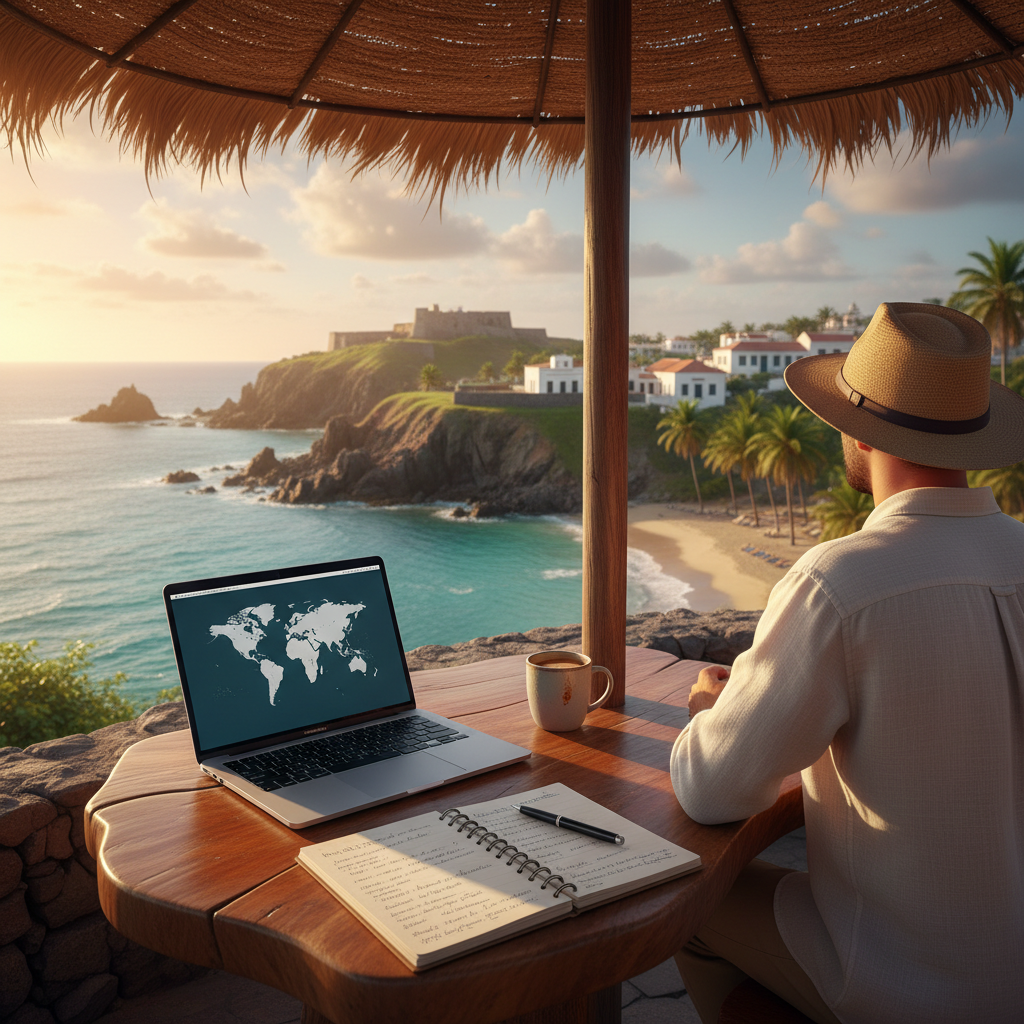
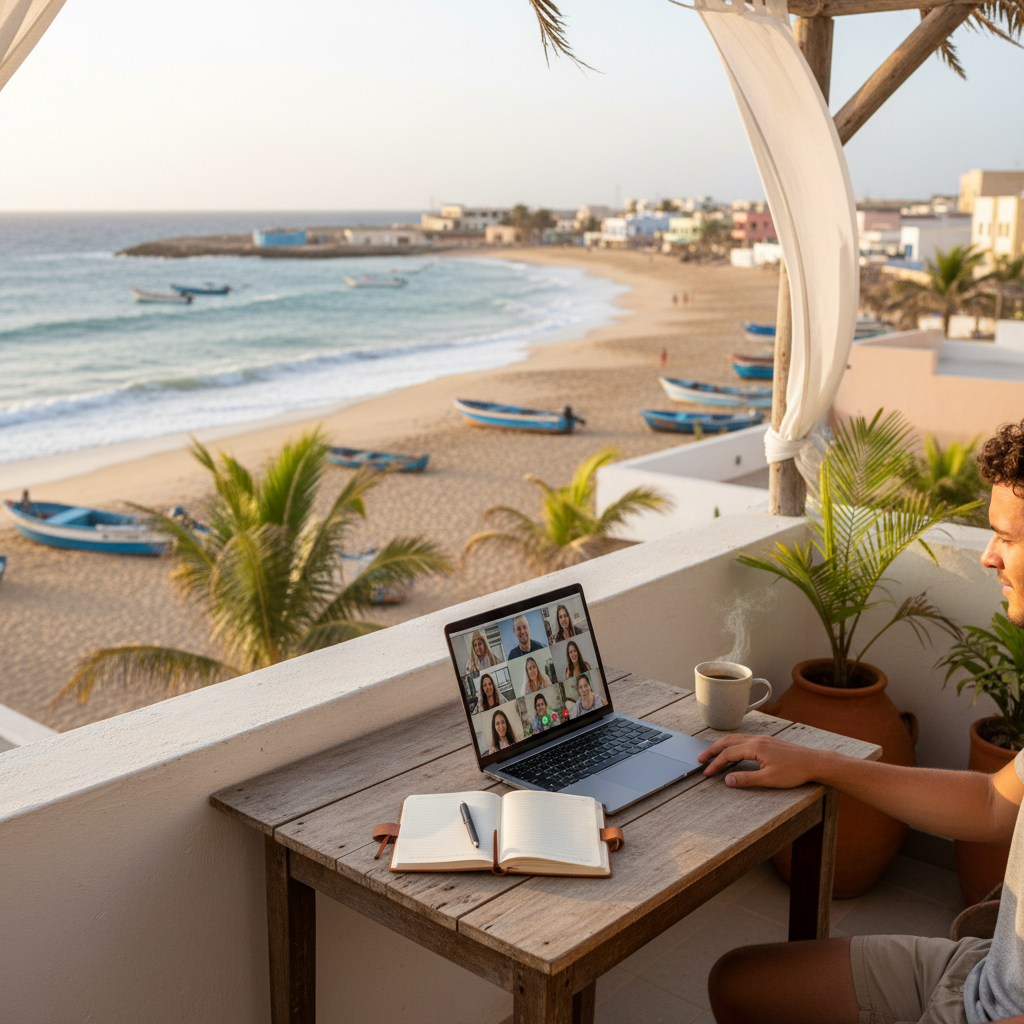
Cape Verde, an archipelago nation off the West African coast, is rapidly emerging as a hidden gem for digital nomads in 2026. This sun-drenched collection of ten volcanic islands offers a unique blend of European, African, and Brazilian influences, creating a vibrant culture, stunning landscapes, and a laid-back pace of life. The government's proactive 'Remote Working Cabo Verde Program' launched in late 2020, signals a clear intent to attract remote professionals, making the visa process relatively straightforward compared to many other emerging digital nomad destinations. Imagine trading your city office for a beachfront view, your morning commute for a surf session, and your lunch break for fresh seafood. Cape Verde delivers on this promise with its year-round warm climate, affordable cost of living, and a growing, yet still intimate, international community. The islands' diverse geography means you can find everything from the white sandy beaches of Sal and Boa Vista to the dramatic volcanic landscapes of Fogo and the lush, green valleys of Santo Antão. With improving infrastructure, including expanding internet connectivity, and a welcoming local population, Cape Verde offers an appealing escape for those seeking inspiration and a different rhythm to their remote work life.
Visa Options & Eligibility
Cape Verde's dedicated Remote Working Cabo Verde Program is the primary visa route for digital nomads. This initiative is designed to attract professionals, entrepreneurs, and remote workers who can contribute to the local economy without competing for local jobs. The visa is initially granted for a period of 6 months and is renewable for another 6 months, allowing for a total stay of up to one year.
Eligibility Criteria (as of 2026):
- Nationality: Open to citizens of countries outside the Economic Community of West African States (ECOWAS) where a short-stay visa for Cape Verde is typically required.
- Income Proof: Applicants must prove an average monthly income of at least €1,500 (approximately $1,600 USD) for the last six months preceding the application. This income must be derived from outside Cape Verde.
- Employment Status: Must be employed by a company registered outside Cape Verde, or be a self-employed individual/freelancer with clients predominantly located outside Cape Verde.
- Valid Passport: Passport valid for at least 6 months beyond the intended stay.
- Health Insurance: Proof of comprehensive international health insurance covering the entire duration of stay in Cape Verde.
- Accommodation Proof: Confirmation of accommodation booked for at least the initial period of stay, such as a hotel reservation or rental agreement.
- Clean Criminal Record: A criminal record certificate from the applicant's country of residence or nationality.
- Return Ticket: Proof of a return ticket or sufficient funds to purchase one.
Visa Fee Structure:
Digital Nomad Visa Fee: $55 USD (Entry Visa Fee) + $6 USD (Application Fee) = $61 USD total for the initial entry visa. There may be additional fees for the 6-month residence permit sticker upon arrival, typically around €30-€50, payable to the immigration authorities.
Cost of Living Breakdown
The cost of living in Cape Verde is generally considered affordable, especially compared to Western Europe or North America. However, prices can vary significantly between the more developed tourist islands (Sal, Boa Vista) and the less-visited islands. A comfortable monthly budget for a single digital nomad averages around $1,200 - $2,000 USD, excluding the one-time visa fees.
Here's a breakdown of typical monthly expenses for 2026 (all figures approximate and in USD):
| Expense Category | Low-End (USD) | Mid-Range (USD) | High-End (USD) | Notes |
|---|---|---|---|---|
| Accommodation | ||||
| 1-BR Apartment (city) | $350 | $600 | $900+ | Rent outside tourist hubs is cheaper; Airbnbs in Sal/Mindelo higher. |
| Utilities (Electricity, Water, Gas) | $50 | $80 | $120 | Electricity can be costly, especially with AC. |
| Food & Groceries | ||||
| Groceries | $200 | $300 | $450 | Local markets for fresh produce are economical. |
| Eating Out (local) | $100 | $200 | $400 | Dinner for two at a mid-range restaurant: $30-50. |
| Transportation | ||||
| Public Transport (local) | $20 | $40 | $60 | 'Aluguers' (shared taxis) are common and cheap. |
| Taxi (occasional) | $30 | $70 | $150 | Mostly in Sal/Mindelo/Praia. |
| Scooter Rental | - | $200 | $350 | Monthly rental can be good for exploration. |
| Internet & Mobile | ||||
| Home Internet (fiber) | $35 | $55 | $80 | Speeds vary; often bundled. |
| Mobile SIM (data plan) | $15 | $25 | $40 | CV Móvel & Unitel T+ are main providers. |
| Leisure & Entertainment | ||||
| Gym Membership | $25 | $40 | $60 | Less common outside major towns. |
| Activities (e.g., surf, dive) | $50 | $150 | $300+ | Can add up depending on frequency. |
| Miscellaneous | ||||
| Visa/Admin Fees (prorated) | $5 | $5 | $5 | For renewal, etc. |
| Total (excluding flights/insurance) | $880 | $1,710 | $2,965 |
This table gives a general overview. Sal and Mindelo will often lean towards the mid-to-high end, while islands like Santo Antão or Maio can offer a more low-end experience. Remember that imported goods are more expensive due to shipping costs.
Best Cities & Neighborhoods
Each of Cape Verde's inhabited islands offers a distinct flavor, and within them, certain towns stand out for digital nomads:
- Santa Maria, Sal: This is arguably the most developed and popular digital nomad hub. Known for its endless white sand beaches, water sports (especially kitesurfing and windsurfing), and a vibrant international community. It has the best tourist infrastructure with plenty of restaurants, bars, and accommodation options. The internet connectivity is generally reliable, and you'll find a few informal coworking spaces or cafes catering to remote workers. It's lively but can feel a bit resort-like during peak season.
- Mindelo, São Vicente: Often called the cultural capital of Cape Verde, Mindelo offers a more authentic urban experience. It boasts a beautiful natural harbor, colonial architecture, live music venues, and a more bohemian vibe. It's a great choice for those who appreciate arts, culture, and a slightly slower pace than Santa Maria, but with more local flavor. Internet infrastructure is solid, and there’s a growing number of cafes with good Wi-Fi.
- Praia, Santiago: As the capital city, Praia is the political and economic heart of Cape Verde. It offers the most comprehensive amenities, hospitals, and logistical connections. While it's a bustling city and less focused on tourism, it provides a very local experience. For those who prefer urban living, access to all services, and don't mind a lack of beach-resort atmosphere, Praia can be a good base. Neighborhoods like Plateau are central, but residential areas further out might offer more peace. Internet is reliable, and there are a few professional coworking options.
- Vila do Maio, Maio: For nomads seeking ultimate tranquility, Vila do Maio on Maio island is an excellent choice. It's a smaller, quieter island with pristine, undeveloped beaches and a very relaxed atmosphere. Infrastructure is less developed, but the internet is decent in Vila do Maio itself. It's perfect for those who want to disconnect from urban distractions and immerse themselves in a peaceful, natural environment, with a strong sense of local community.
Other islands like Santo Antão (for hiking and nature) and Fogo (for volcanic landscapes and coffee) are incredible for short visits but lack the steady infrastructure for long-term remote work.
Internet, Coworking & Remote-Work Infrastructure
Internet connectivity in Cape Verde has improved considerably in recent years, though speeds and reliability can still vary by island and specific location. In 2026, you can expect an average fiber internet speed in major towns like Santa Maria, Mindelo, and Praia to be around 50 Mbps, with some providers offering up to 100 Mbps in select areas. Outside these hubs, ADSL or mobile data might be the primary option, with speeds ranging from 10-30 Mbps. Mobile data coverage is generally good across most inhabited areas, with CV Móvel and Unitel T+ being the main providers offering prepaid SIM cards and data packages.
Home Internet: Fiber optic connections are becoming more common in urban centers and popular tourist areas, offering reliable speeds suitable for video calls and data-intensive work. When renting accommodation, always confirm the internet speed and reliability with your landlord.
Coworking Spaces: Dedicated coworking spaces are still a nascent concept in Cape Verde compared to more established digital nomad destinations. However:
- Mindelo, São Vicente: There are a few small, locally run coworking initiatives and business centers that offer desks and meeting rooms, often with better internet than a typical home connection.
- Praia, Santiago: Being the capital, Praia has a couple of more formal business centers that can accommodate remote workers, though they might not be tailored specifically for the 'digital nomad' vibe.
- Sal (Santa Maria): While purpose-built coworking spaces are rare, many cafes and beachfront restaurants offer free Wi-Fi, and some guesthouses or larger hotels provide shared common areas or business facilities that can serve as informal workspaces. There are also discussions about a dedicated digital nomad hub in Sal being developed by 2026.
Cafes with Wi-Fi: Many cafes and restaurants in Santa Maria, Mindelo, and Praia offer free Wi-Fi, making them suitable for casual work sessions. Always check reliability before settling in for a long work block.
Power Outages: While less frequent than in the past, occasional power outages can still occur, particularly outside of main city centers. Having a fully charged laptop and a local SIM card with data as a backup is always a good idea.
Taxes & Legal Considerations
The Cape Verdean government has made this aspect quite attractive for digital nomads under the Remote Working Cabo Verde Program.
Income Tax Exemption: The most significant benefit is that digital nomads are exempt from paying Cape Verdean income tax on their foreign-sourced income for the duration of their visa. This means if your income comes from clients or employers outside Cape Verde, you won't be taxed on it in Cape Verde.
Local Income: If you engage in any income-generating activities within Cape Verde (e.g., selling goods or services to local residents or businesses), that income will be subject to Cape Verde's local tax laws, which can be complex. It's generally advisable for digital nomads to maintain their income solely from foreign sources to benefit from the exemption.
Tax Residency: The visa is structured to prevent nomads from becoming tax residents in Cape Verde for their foreign income. However, it's crucial to understand your tax obligations in your home country. Many countries have 'tie-breaker rules' regarding tax residency, and staying in Cape Verde for an extended period might impact your tax status back home. Consult with a tax professional specializing in international taxation to ensure compliance in both Cape Verde and your country of origin.
Legal Considerations:
- Visa Compliance: Adhere strictly to the terms of your Remote Working Cabo Verde visa. Overstaying or engaging in unauthorized work can lead to fines and deportation.
- Local Laws: Familiarize yourself with local laws and customs. Cape Verde is generally progressive, but respecting local traditions is important.
- Business Registration: If you plan to provide services to local businesses or residents, you may need to register a local business or obtain specific permits, which would negate the tax benefits of the digital nomad visa for that income.
- Health & Safety: While generally safe, be aware of petty crime, especially in crowded tourist areas. Always have comprehensive health insurance.
- Driving: If you plan to drive, an international driving permit is recommended alongside your home country's license.
Lifestyle, Culture & Community
Cape Verde's lifestyle is often summarized by