The Bahamas Digital Nomad Guide 2026: Work Remotely in Paradise
Welcome to the ultimate guide for digital nomads dreaming of working from the sun-drenched shores of the Bahamas in 2026. The archipelago nation, renowned for its crystal-clear waters, vibrant coral reefs, and laid-back island charm, has actively pursued remote workers through its Bahamas Extended Access Travel Stay (BEATS) program. This guide will walk you through everything you need to know to make your Bahamian digital nomad dream a reality, from visa applications and cost of living to internet speeds and cultural nuances.
Why The Bahamas for Digital Nomads
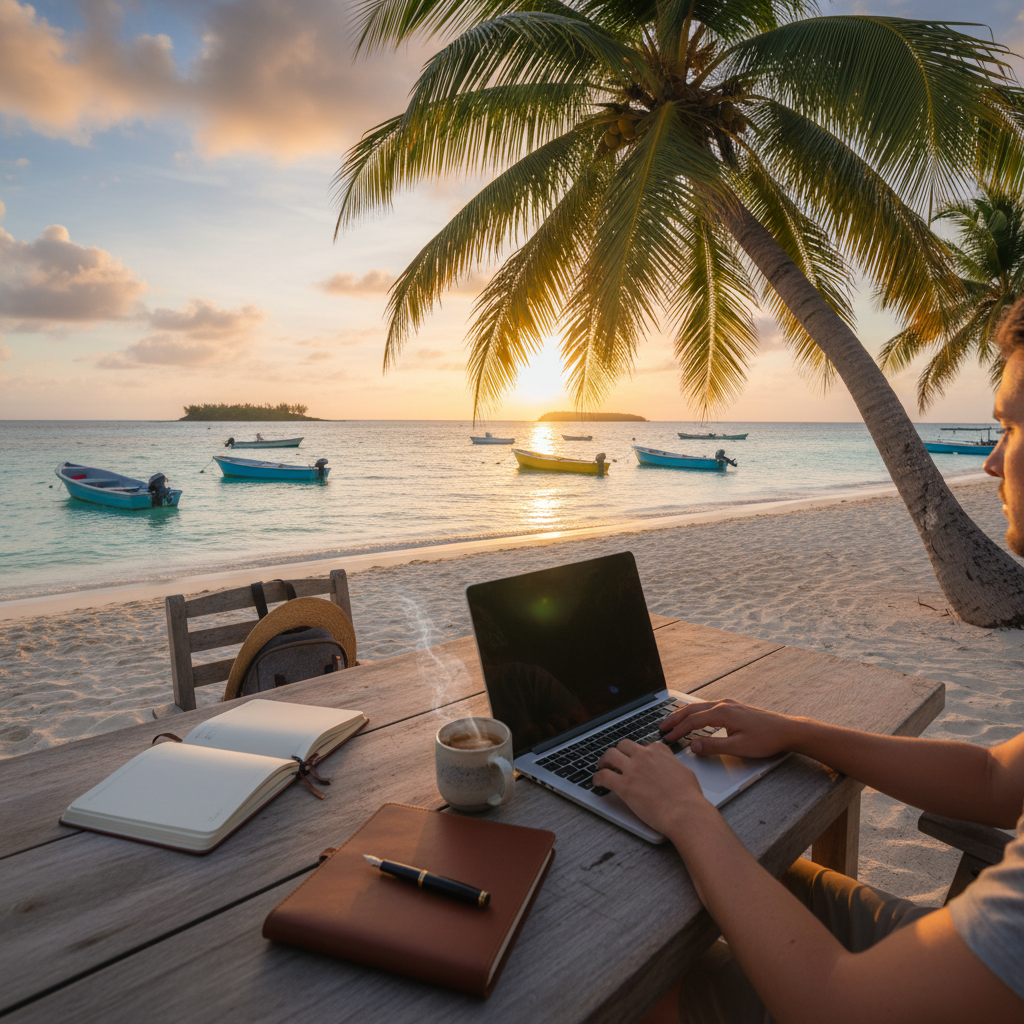
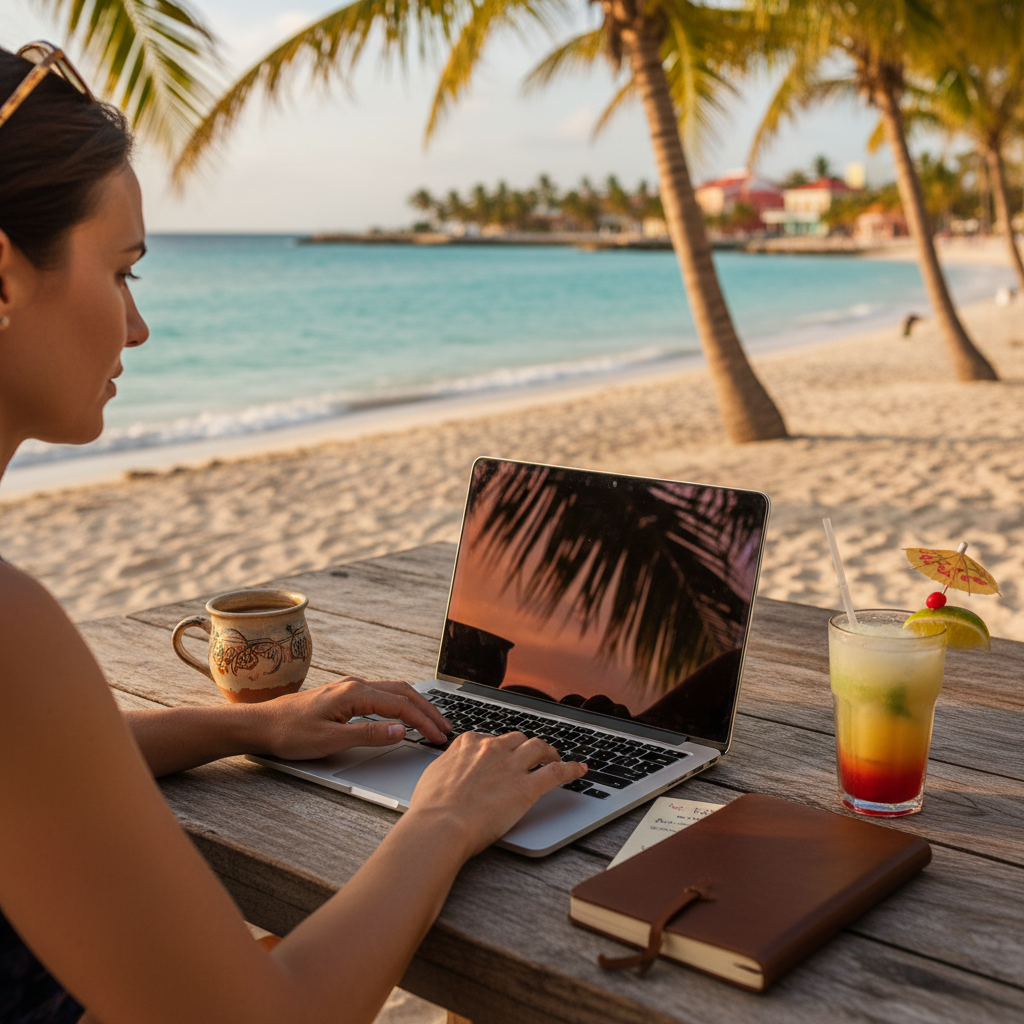
The Bahamas presents an enticing proposition for digital nomads seeking a blend of productivity and unparalleled natural beauty. Imagine starting your day with a swim in turquoise waters, working from a beachfront villa with ocean breezes, and ending it with fresh seafood and a stunning sunset. The allure is undeniable, but it's crucial to understand the practicalities.
The country's close proximity to the United States and Canada makes it geographically convenient for بسیاری, reducing travel time and potential jet lag. English is the official language, which significantly eases communication and integration. The Bahamian dollar is pegged 1:1 to the US dollar, simplifying financial transactions and budgeting for those earning in USD.
Beyond the postcard-perfect beaches, the Bahamas offers a unique cultural experience. It’s a nation rich in history, from its colonial past to its vibrant Junkanoo festivals. For nature lovers, the opportunities are endless: world-class diving and snorkeling, sailing, fishing, and exploring uninhabited cays. While it offers a slower pace of life than major metropolises, significant infrastructure development has occurred in recent years to support tourism and remote work, particularly in Nassau and Freeport.
However, it's not without its challenges. The cost of living is notably higher than in many other digital nomad hotspots, largely due to reliance on imports. Access to certain goods and services, especially outside the main islands, can also be limited. The pace of life, while charming, can sometimes translate to slower service or bureaucratic processes. Despite these factors, for many, the quality of life, natural environment, and the unique cultural immersion far outweigh the drawbacks.
Visa Options & Eligibility
For digital nomads, the Bahamas Extended Access Travel Stay (BEATS) Program is your primary pathway. Launched in 2020, it allows professionals and students to live and work remotely in the Bahamas for up to one year, with options for renewal.
Eligibility Requirements (as of 2026):
- Proof of Remote Work/Study: Applicants must demonstrate they are employed by a company outside the Bahamas, are self-employed with clients outside the Bahamas, or are enrolled in a recognized educational institution outside the Bahamas.
- Financial Means: While no explicit minimum income is stated for the BEATS program itself, applicants must show proof of sufficient financial resources to support themselves and any dependents for the duration of their stay. A general recommendation is to demonstrate stable income of at least $2,500 USD per month for an individual, or proportionately more for families.
- Clean Criminal Record: A police record/certificate of good conduct will be required.
- Valid Passport: Your passport must be valid for at least six months beyond your intended stay.
- Health Insurance: Proof of comprehensive health insurance covering your stay in the Bahamas is mandatory.
- Application Fee: There is a non-refundable application fee. As of 2026, this is generally $1,025 USD for the primary applicant (covers the application processing and the permit itself for one year) and $525 USD for each dependent.
Key Features:
- Maximum Stay: Up to 1 year, renewable.
- No Income Tax: BEATS visa holders are not considered tax residents and are therefore not subject to Bahamian income tax on their foreign-earned income.
- Employment Restrictions: BEATS visa holders are strictly prohibited from seeking employment within the Bahamian labor market.
- Processing Time: Typically 5-7 business days once all documents are submitted and verified.
Cost of Living Breakdown
The Bahamas is one of the more expensive destinations for digital nomads, largely due to its reliance on imports and the high cost of real estate. A comfortable monthly budget for a single person can range from $3,500 to $6,000+ USD, depending heavily on lifestyle choices and the island/city selected.
Here’s an estimated breakdown for a single digital nomad in Nassau (2026):
| Expense Category | Low Estimate (USD) | High Estimate (USD) |
|---|---|---|
| Accommodation | ||
| 1-BR Apartment (city) | $1,500 | $2,800 |
| 1-BR Apartment (outside) | $1,000 | $1,800 |
| Utilities (Electricity, Water, Internet, Gas) | $200 | $400 |
| Internet (Fiber 100-200 Mbps) | $80 | $120 |
| Groceries | $400 | $700 |
| Dining Out (mix of casual & mid-range) | $300 | $700 |
| Transportation (public/taxi/some rideshare) | $100 | $250 |
| Health Insurance (estimate) | $100 | $200 |
| Miscellaneous/Leisure | $300 | $600 |
| Total Estimated Monthly Cost | $3,500 | $6,270 |
- Accommodation: Rent is the biggest expense. Prices vary significantly by island and proximity to tourist areas. Expect to pay a premium for beachfront or well-located properties. Smaller islands might offer slightly lower rents but fewer amenities.
- Utilities: Electricity can be very expensive, especially if you rely heavily on air conditioning. Water is often priced separately.
- Groceries: Most food items are imported, leading to higher prices. Eating local produce and fresh seafood can help manage costs.
- Transportation: Public bus systems (Jitneys) are available in Nassau and Freeport, offering an affordable way to get around during the day. Taxis can be expensive. Renting a car offers flexibility but adds cost for rental fees and fuel.
Best Cities & Neighborhoods
Choosing the right location is paramount for your Bahamian digital nomad experience. Each island offers a distinct vibe.
-
Nassau (New Providence):
- Pros: The capital city and economic hub. Best internet infrastructure, widest range of accommodation, restaurants, shops, and entertainment. Home to most coworking spaces. Lynden Pindling International Airport (NAS) is the main international gateway. More expat community presence.
- Neighborhoods: Downtown Nassau (bustling, central), Cable Beach (touristy, resorts, good amenities), Paradise Island (exclusive, upscale, connected to Nassau by bridge), and eastern New Providence (more residential, suburban).
- Vibe: Bustling Caribbean city with good access to amenities, but can feel crowded and traffic can be an issue.
-
Freeport (Grand Bahama):
- Pros: The second-largest city. Offers a slightly more relaxed pace than Nassau with a bit lower cost of living. Good infrastructure, international airport (FPO), and access to beautiful beaches and nature. Growing expat community.
- Vibe: More industrial in parts, but with lovely residential areas and proximity to nature reserves and beaches.
-
George Town (Exuma):
- Pros: Known for its stunning Exuma Cays and famous swimming pigs. Offers a more tranquil, idyllic island experience. Excellent for water sports enthusiasts. Growing community of remote workers seeking peace.
- Cons: Fewer amenities, slower internet in some areas, higher transport costs (internal flights), and fewer dining options. Higher cost of groceries as almost everything is imported.
- Vibe: Relaxed, pristine, focused on natural beauty and marine life.
Other islands like Eleuthera, Abaco, and Andros offer even more seclusion and rustic charm but come with trade-offs in terms of infrastructure and immediate access to services. They are perfect for those prioritizing tranquility over urban conveniences.
Internet, Coworking & Remote-Work Infrastructure
Reliable internet is non-negotiable for digital nomads, and the Bahamas has made significant strides in upgrading its infrastructure, particularly in the main urban centers.
- Internet Providers: The two main providers are BTC (Bahamas Telecommunications Company) and ALIV. Both offer fiber-optic services in New Providence and Grand Bahama, with speeds ranging from 50 Mbps up to 300 Mbps or more for residential packages. Expect average speeds of 100 Mbps in major areas. On smaller, more remote islands, speeds might drop, but 4G LTE mobile hotspots are generally reliable.
- Mobile Connectivity: Both BTC and ALIV provide strong 4G LTE coverage across most inhabited islands. Prepaid SIM cards are readily available.
- Coworking Spaces: While not as abundant as in larger digital nomad hubs, dedicated coworking spaces are emerging:
- Nassau: You'll find a few options, such as The Hub Coworking or smaller shared office setups, offering desks, meeting rooms, and amenities. Many high-end cafes and hotels also offer good Wi-Fi access suitable for casual work.
- Freeport: Limited dedicated spaces, but some business centers or hotel lobbies can serve as temporary workspaces.
- Power Outages: While less frequent in main areas, power outages can occur, especially during heavy weather or peak demand. Investing in a UPS (Uninterruptible Power Supply) for your critical electronics is highly recommended.
Taxes & Legal Considerations
Taxation: The Bahamas has a very favorable tax regime for individuals, particularly for foreign-earned income.
- No Income Tax: The Bahamas does not levy personal income tax, corporate income tax, capital gains tax, or inheritance tax.
- VAT: A Value Added Tax (VAT) of 10% is applied to most goods and services.
- Property Tax: Property owners are subject to annual property taxes.
- Import Duties: High import duties are common, which contributes to the higher cost of imported goods.
- BEATS Visa Holders: As a BEATS visa holder, you are generally not considered a tax resident of the Bahamas and are not liable for Bahamian income tax on your income earned from outside the country. However, if you establish significant ties to the Bahamas (e.g., purchasing property, spending the majority of your year there for multiple years without the BEATS program), you might inadvertently trigger tax residency in your home country or even the Bahamas. It's always wise to consult with a tax professional specializing in international taxation for personalized advice.
Legal Considerations:
- Driving: Bahamians drive on the left-hand side of the road. Your valid home country driving license is usually accepted for a short period (up to 3 months), after which an international driving permit or a Bahamian license is required.
- Property Ownership: Foreigners can own property in the Bahamas, but there are regulations and fees involved. Renting is the more common and recommended option for digital nomads.
- Local Laws: Be aware of local laws and customs. Drug laws are strict, and public displays of affection might be viewed differently than in Western cultures.
- Emergency Services: Dial 911 for Police and Emergency Medical Services. Medical care in Nassau can be good, but for serious conditions, medical evacuation to the US is often recommended (covered by good travel insurance).
Lifestyle, Culture & Community
Life in the Bahamas is generally relaxed and centered around the ocean. The culture is a vibrant mix of West African, European, and indigenous influences, reflected in its music (Junkanoo, Rake 'n' Scrape), food, and art.
- Pace of Life: Embrace