The Ultimate 2026 Digital Nomad Guide to Albania
Welcome to Albania, often dubbed Europe's last hidden gem! For the intrepid digital nomad, this Balkan nation offers a compelling blend of breathtaking natural beauty, a remarkably low cost of living, a warm and welcoming culture, and a burgeoning digital nomad scene, all underpinned by its forward-thinking 'Work from Albania' visa. As of 2026, Albania stands as an increasingly attractive destination for remote workers seeking authentic European charm without the hefty price tag.
Why Albania for Digital Nomads
Albania officially launched its 'Work from Albania' digital nomad visa in mid-2022, making it one of the pioneering countries in the Balkans to cater specifically to remote professionals. This initiative signals a clear message: Albania wants you. The visa facilitates longer stays, offering stability and allowing nomads to truly immerse themselves in the local culture rather than constantly worrying about visa runs. Beyond the visa, the country shines with its diverse landscapes – from the pristine beaches of the Albanian Riviera to the rugged peaks of the Accursed Mountains, and from the vibrant urban energy of Tirana to ancient Ottoman bazaar towns. The cost of living is a major draw, with prices for accommodation, food, and transport significantly lower than in Western Europe. This allows a higher quality of life for a fraction of the cost. The food is fresh, delicious, and affordable, often boasting a delightful mix of Mediterranean and Balkan influences. The people are known for their hospitality, often going out of their way to assist foreigners. Overcoming the initial language barrier (Albanian is unique) is often met with patience and a desire to communicate, as many younger generations speak English. The country's strategic location also provides easy access to neighboring Greece, Montenegro, North Macedonia, and Kosovo, making it an excellent base for regional exploration. Furthermore, the timezone, CET (UTC+1), is convenient for working with clients across Europe.
Visa Options & Eligibility
Albania's official 'Work from Albania' Digital Nomad Visa is the primary route for remote workers looking to make Albania their base. This visa typically grants a temporary residence permit for an initial period of one year, with options for renewal. It's designed for non-EU/EEA citizens who can work remotely for an employer or clients outside of Albania.
Eligibility Criteria for the 'Work from Albania' Visa (as of 2026):
- Nationality: Non-EU/EEA citizen.
- Proof of Remote Work: You must demonstrate that you can perform your work independently of location, typically through employment contracts, client agreements, or proof of self-employment status (e.g., business registration, tax returns).
- Minimum Income: Applicants must prove a stable, regular income of at least 100,000 Albanian Lek per month (approximately $900-$1,000 USD, depending on the prevailing exchange rate). This income must originate from sources outside Albania.
- Health Insurance: Comprehensive health insurance valid for your entire intended stay in Albania is mandatory.
- Clean Criminal Record: A certificate proving no criminal convictions from your country of origin and any country you’ve resided in for the past five years.
- Accommodation: Proof of accommodation in Albania (e.g., rental agreement or hotel booking for the initial period).
- Valid Passport: Your passport must be valid for at least six months beyond your intended stay.
- No Threat to Public Order: You must not pose a threat to public order or national security.
Application Process & Fees:
The application process typically involves submitting your documents to the Albanian embassy or consulate in your home country or country of legal residence. Once approved for the D-Visa (long-stay visa), you will then apply for the residence permit upon arrival in Albania at the regional Directorate of Border and Migration. The initial application fee is approximately $100 USD, though administrative fees for the residence permit, biometric data, etc., may add another $50-100 USD once in Albania. Processing times can vary but generally range from 30 to 90 days for the initial D-Visa, followed by a few weeks for the residence permit upon arrival.
Note: Visa regulations can change. Always consult the official website of the Ministry for Europe and Foreign Affairs of Albania or your nearest Albanian embassy/consulate for the most up-to-date information.
Cost of Living Breakdown
The cost of living in Albania is one of its biggest advantages for digital nomads. While incomes might be in USD or EUR, expenses are in Albanian Lek, offering significant purchasing power. Here's a breakdown for a comfortable, mid-range lifestyle in 2026, primarily focused on Tirana, with other cities often being even cheaper:
| Expense Category | Average Monthly Cost (USD) | Notes |
|---|---|---|
| Accommodation | 400 - 800 | 1-bedroom apartment in city center. Studio outside center even less. |
| Utilities | 50 - 100 | Electricity, water, internet, gas (if applicable). |
| Internet & Mobile | 20 - 40 | Fiber optic internet + generous mobile data plan. |
| Groceries | 150 - 250 | Eating at home, including fresh produce, meat. |
| Dining Out | 100 - 300 | Mix of local eateries (cheap) and some mid-range restaurants. |
| Transportation | 20 - 50 | Public transport, occasional taxis. |
| Coworking Space | 80 - 150 | Dedicated desk or hot desk membership. |
| Leisure/Wellness | 50 - 150 | Gym, occasional trips, entertainment. |
| Total (Estimated) | $"1000 - $1800" | Comfortable living for a solo nomad. |
Note: These are estimates for 2026. Your actual costs will depend on your lifestyle, preferences, and negotiation skills for rent. Sarandë during peak season might see higher accommodation costs. Overall, a solo digital nomad can expect to live comfortably on around $1,000 - $1,500 USD per month. Couples can budget around $1,500 - $2,200 USD.
Best Cities & Neighborhoods
Albania offers a variety of experiences depending on your preferences:
-
Tirana (Capital City): The undisputed hub for digital nomads. Tirana is a bustling, vibrant city with a youthful energy. It boasts the best infrastructure, the widest selection of coworking spaces, diverse culinary scene, and the largest expat/digital nomad community. Key neighborhoods include Blloku (trendy, cafes, nightlife), Komuna e Parisit (residential, good connections), Ish-Blloku (near the center, more affordable options), and Pazari i Ri (new bazaar, lively, cultural). Expect to find modern apartments, many with balconies.
-
Sarandë (Coastal, South): The jewel of the Albanian Riviera, especially popular during spring, summer, and early autumn. Offers stunning beaches, island views (Corfu), and a relaxed Mediterranean vibe. Perfect if you love the sea, fresh seafood, and warm weather. It can get very busy and more expensive during peak tourist months (July-August). Offers good English speakers due to tourism. Ideal for short-term stays or off-season.
-
Vlorë (Coastal, Central): A larger coastal city than Sarandë, known for its strategic port and the meeting point of the Adriatic and Ionian Seas. Offers a mix of city life and beach access, generally less touristy than Sarandë, providing a more authentic Albanian experience. It's a good alternative for those who want coastal living but with more amenities and fewer crowds.
-
Shkodër (Northern, Historical): One of Albania's oldest cities, located near Lake Shkodër and the Albanian Alps. Best for those who appreciate history, culture, and nature. It has a slower pace, traditional charm, and provides easy access to hiking and outdoor activities. The digital nomad scene is smaller here, but it offers a unique, authentic experience.
Internet, Coworking & Remote-Work Infrastructure
Albania's remote-work infrastructure is rapidly improving. While not on par with Western Europe, it's more than sufficient for most digital nomads.
-
Internet Speed & Reliability: In major cities, fiber optic internet is widely available and relatively affordable. Providers like ALBtelecom, One Communications, and Vodafone offer home internet packages with speeds ranging from 50 Mbps to 200+ Mbps. The average reported speed in 2026 is around 40-50 Mbps, which is perfectly adequate for video calls, streaming, and large downloads. Mobile data (4G and increasingly 5G) is also prevalent and very affordable, with large data bundles available for just a few dollars.
-
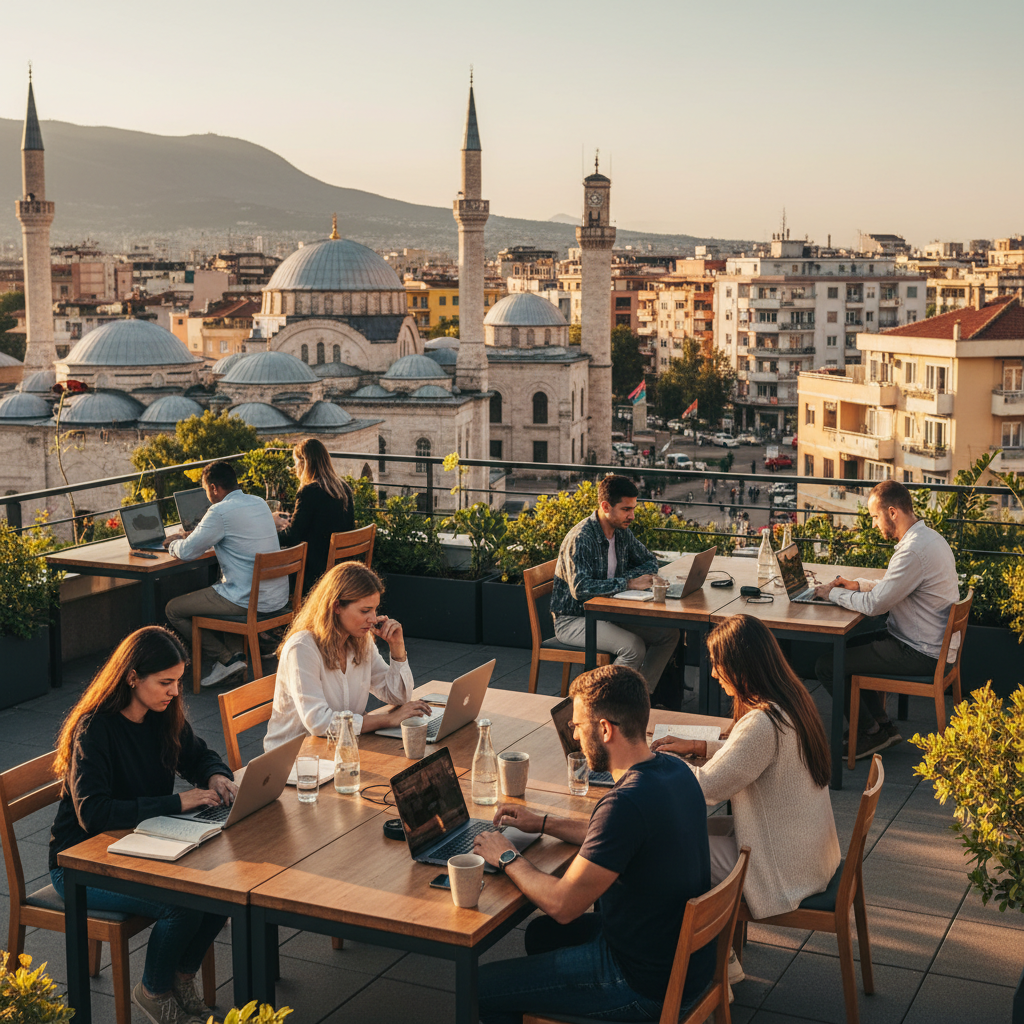
Coworking Spaces: Tirana is the clear leader here, with several well-established coworking spaces:
- Destil Creative Hub: A popular choice, offering a vibrant community, events, and flexible memberships.
- Tirana Coworking: Another central option with various desk types and meeting rooms.
- Coolab: Offers a modern environment and a good community vibe.
- Self-Catered Options: Many cafes in Tirana are laptop-friendly and offer good Wi-Fi, providing an alternative for casual work sessions.
-
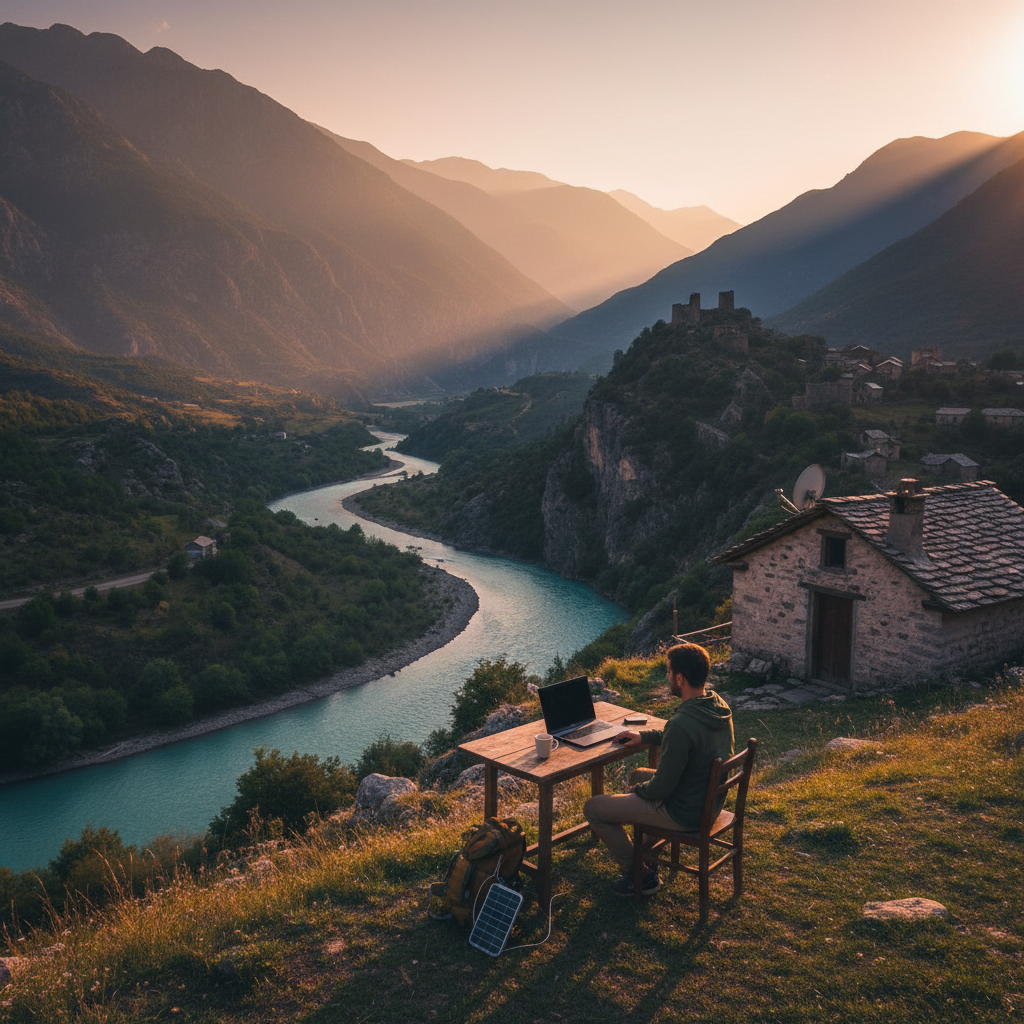
Power Outages: While less frequent than in the past, occasional power outages can still occur, especially outside major cities or during extreme weather. It's advisable to have a portable power bank or ensure your coworking space has backup generators. Surge protectors are always a good idea.
-
Tech Stores: Tirana has several stores where you can purchase electronics, accessories, and get repairs done if needed. Prices are comparable to other European countries for branded goods.
Taxes & Legal Considerations
Taxes are a crucial consideration for any digital nomad. Albania has specific rules regarding tax residency.
-
Tax Residency: Generally, an individual becomes an Albanian tax resident if they spend more than 183 days in any 12-month period in Albania. If you become a tax resident, your worldwide income could become subject to Albanian income tax. However, for digital nomads working for foreign entities, the situation can be complex.
-
Income Tax: Albania operates a progressive income tax system. For individuals, the rates generally range from 0% (for very low incomes) up to 23% for higher earners. However, if your income is solely sourced from outside Albania and you do not become an Albanian tax resident, you may not be subject to Albanian income tax on that foreign income. It is crucial to verify your specific situation.
-
Double Taxation Treaties: Albania has signed double taxation treaties with many countries. These treaties prevent income from being taxed twice and often dictate which country has the primary right to tax certain types of income. Check if your home country has such a treaty with Albania.
-
VAT & Local Taxes: As a consumer, you will pay Value Added Tax (VAT) on goods and services, which is generally 20%. There are typically no specific local taxes targeting digital nomads beyond these general consumption taxes.
-
Professional Advice: Given the complexities of international tax law and varying interpretations, it is highly recommended to consult with an Albanian tax accountant or a legal professional specializing in international taxation before or soon after moving to Albania. This will ensure full compliance and avoid any unexpected tax obligations.
Lifestyle, Culture & Community
Albania offers a rich tapestry of history, tradition, and a burgeoning modern lifestyle.
-
Culture & People: Albanians are known for their strong sense of hospitality (Besa), particularly towards guests. Family values are paramount. The culture is a fascinating blend of Illyrian, Ottoman, and Western influences. Respect for elders and traditional customs are important. While younger generations are more Westernized, understanding and respecting local norms will greatly enhance your experience.
-
Language: Albanian (Shqip) is the official language. It's an Indo-European language not closely related to others, making it challenging to learn but rewarding. In Tirana and tourist areas like Sarandë, many young people and those in the service industry speak English. Learning a few basic Albanian phrases will be highly appreciated.
-
Food: Albanian cuisine is a delightful surprise, focusing on fresh, seasonal ingredients. Expect delicious grilled meats (qofte, suxhuk), fresh salads, seafood along the coast, stuffed vegetables (japrak), and hearty stews. Fërgesë (a rich cheese, pepper, and tomato dish) is a must-try. Coffee culture is strong, with cafes being central to social life.
-
Community: The digital nomad community in Tirana is growing steadily. Coworking spaces are excellent for networking and finding like-minded individuals. Facebook groups like 'Digital Nomads Tirana' or 'Expats in Tirana' are good resources for connecting, finding events, and getting advice. Smaller communities exist in Sarandë during the peak season.
-
Outdoor Activities: Whether you're into hiking (Albanian Alps, Theth, Valbona), beach relaxation (Dhërmi, Ksamil), historical exploration (Berat, Gjirokastër), or lake activities (Lake Shkodër), Albania has it all. The country is a paradise for outdoor enthusiasts.
-
Safety: Albania is generally safe, with low rates of violent crime. Petty theft (pickpocketing) can occur in crowded tourist areas, just like anywhere else. Be aware of your surroundings, especially at night, and take common-sense precautions. Solo female travelers generally report feeling safe, but exercising caution is always advised.
How to Apply: Step-by-Step
Applying for the Albanian Digital Nomad Visa involves several stages. Here’s a general roadmap for 2026:
-
Gather Required Documents: Collect all necessary paperwork including your passport, proof of remote work (contracts, business registration), proof of income (bank statements, tax returns), comprehensive health insurance, criminal record certificate, and proof of accommodation booking. Ensure all foreign documents are translated into Albanian by a certified translator and apostilled if required by your consulate.
-
Contact Albanian Embassy/Consulate: Locate the nearest Albanian diplomatic mission in your country of residence. Confirm their specific requirements and appointment procedures, as these can vary. Schedule an appointment for a D-Visa (long-stay visa) application for remote workers.
-
Submit D-Visa Application: Attend your appointment, submit your application form, all supporting documents, and pay the D-Visa application fee (approx. $100 USD).
-
Await D-Visa Approval: This stage can take 30 to 90 days. You will be notified once your D-Visa is approved.
-
Travel to Albania: Once your D-Visa is issued, you can travel to Albania.
-
Apply for Residence Permit: Within about 30 days of your arrival, you must apply for the 'Work from Albania' temporary residence permit at the regional Directorate for Border and Migration (Drejtoria e Përgjithshme e Kufirit dhe Migracionit). This is the crucial step that grants you legal residency for up to one year. You will likely need additional documents, including photos, biometric data, and possibly further proof of funds or address.
-
Await Residence Permit Approval: This process can take several weeks. Once approved, you will receive your residence card.
-
Enjoy Your Stay: With your residence permit, you are now legally able to live and work remotely from Albania for the duration of your permit.
Always confirm the latest procedures with official sources, as immigration rules can be subject to change.
Common Pitfalls
While Albania is welcoming, be aware of a few potential challenges:
-
Bureaucracy: Albanian bureaucracy can be slow and sometimes confusing. Patience is key. Having documents translated and apostilled upfront can save time. Consider hiring a local lawyer or visa agent if you find the process overwhelming.
-
Language Barrier: Outside of Tirana and main tourist areas, English proficiency drops significantly. Google Translate, learning basic Albanian phrases, and being patient can help bridge the gap. Learning the Cyrillic alphabet (if you're coming from a non-Latin script country) might be useful, though Albanian uses the Latin script.
-
Driving Conditions: Roads can be challenging, especially in rural areas, and driving habits can be aggressive. Public transport is affordable and generally reliable in cities, but for exploring remote areas, consider renting a car with caution or hiring a driver.
-
Infrastructure (outside Tirana): While Tirana boasts modern amenities, smaller towns and rural areas might have less developed infrastructure, including internet speeds, ATM availability, and public transport options.
-
Scams: While rare, be vigilant for tourist scams, especially around currency exchange or taxi fares. Always agree on a price beforehand or ensure the meter is used. ATMs generally offer better exchange rates than dedicated exchange offices.
-
Seasonal Differences: Coastal areas can be extremely hot and crowded in summer, while winters in mountainous regions can be very cold with heavy snow. Plan your location based on your seasonal preferences.